The Missing Member of Most Healthcare Teams: A Health Coach

When you're facing a health challenge, the question of whether you're doing all you can for your health shouldn't be left to guesswork.

Whether you're navigating cancer treatment, recovering from illness, managing chronic stress, or simply trying to reclaim your energy, having a dedicated health coach can make a meaningful difference.

A health coach is more than someone who offers advice. They become a guide, sounding board, accountability partner, and advocate for your well-being when life feels overwhelming.

Here are 10 reasons why working with a health coach is one of the most valuable investments you can make in your health:

1. Personalized Guidance

No two people have the same health journey. A health coach helps create a plan tailored to your unique goals, challenges, lifestyle, and circumstances—so you're not trying to force yourself into a one-size-fits-all solution.

2. Accountability That Encourages Progress

Even the most motivated people struggle with consistency. Having someone who checks in, celebrates wins, and helps you get back on track can be the difference between good intentions and lasting results.

3. A Trusted Source of Knowledge

A holistic health coach combines education, research, training, and often personal experience to help you navigate the many aspects of health—physical, emotional, mental, and lifestyle-related.

4. Clear Goals and Measurable Progress

Big changes happen through small, consistent steps. A coach helps you set realistic goals, track progress, and recognize improvements you might otherwise overlook.

5. Support in Overcoming Obstacles

Lack of time, uncertainty, emotional roadblocks, stress, competing priorities—we all face barriers. A coach helps identify what's getting in the way and develop practical strategies to move forward.

6. Lasting Behavior Change

Most people know what they "should" do. The challenge is turning knowledge into sustainable habits. A health coach helps uncover the root causes behind unhealthy patterns and supports meaningful, long-term change.

7. Stress Management and Emotional Well-Being

Health is about far more than nutrition and exercise. Chronic stress affects nearly every system in the body. Learning how to reduce stress, build resilience, and nurture emotional well-being is often one of the most transformative parts of coaching.

8. Long-Term Health Benefits

Small changes made today can have a powerful impact on your future health. By addressing concerns early and developing healthier habits, many people experience improved quality of life and greater confidence in managing their health.

9. An Investment in Yourself

While coaching requires an investment, many people find that feeling better, functioning better, and taking proactive steps toward wellness delivers benefits that extend far beyond the financial cost.

10. Someone Who Believes in You

Sometimes the greatest gift is knowing you're not walking the journey alone. A health coach provides encouragement, perspective, and support during the difficult days while celebrating every victory along the way.

The Bottom Line

You don't have to figure everything out on your own.

A health coach helps bridge the gap between knowing what supports health and actually implementing those changes in daily life. The right coach can help you gain clarity, confidence, and momentum—one step at a time.

Your health is your greatest asset. Having someone in your corner can make all the difference.

Powerful Remedies for Chemotherapy Side Effects

Dealing with the side effects of Chemotherapy is huge distraction from the business of doing what you should to support and expedite healing from cancer. You now have a whole new set of issues to treat, many of which can leave you feeling depressed and caught up in a downward spiral.

Take heart.. this too shall pass.

Read More

What Every Woman Needs to Know

Early detection is key to a shorter healing Experience

Here are four important steps:

  1. Know your risk and lifestyle factors (how much exercise, foods you eat, stress)

  2. Educate yourself.. learn how to prevent breast and colon cancer

  3. Get regular screenings like thermography or MRI’s (please avoid mammograms)

  4. Learn how to and do a monthly breast exam

  5. See your doctor if you have any of the symptoms

Breast Cancer Quick Facts

More than 80% of breast cancer cases are discovered when a woman feels a lump herself, 26% would not have been visible by Mammography!

Early breast cancer usually doesn't cause symptoms. But as the tumor grows, it can change how the breast looks or feels.

The common symptoms include:

  • A lump or thickening in or near the breast or in the underarm area

  • A change in the size or shape of the breast

  • Dimpling or puckering in the skin of the breast

  • Nipple turned inward into the breast

  • Discharge (fluid) from the nipple, especially if it's bloody

  • Scaly, red, or swollen skin on the breast, nipple, or areola (the dark area of skin at the center of the breast). The skin may have ridges or pitting so that it looks like the skin of an orange.

Other Imaging Tests

There is a little controversy around the safety of exposure to radiation from mammograms.  The proof is that a woman's age and recommended frequency of breast screening has changed.

I believe MRI's should be the method of choice. Technicians will tell you they are low dose and safe, but radiation is cumulative… add in dental imaging, x-rays, and other radiation exposure and you will be over the safety limit in no time.

Look into your insurance, and tell your doctor about your preferred options.

  • Ultrasound: A woman with a lump or other breast change may have an ultrasound test. An ultrasound device sends out sound waves that people can't hear. The sound waves bounce off breast tissues. A computer uses the echoes to create a picture. The picture may show whether a lump is solid, filled with fluid (a cyst), or a mixture of both. Cysts usually are not cancer. But a solid lump may be cancer.

  • MRI: MRI uses a powerful magnet linked to a computer. It makes detailed pictures of breast tissue. These pictures can show the difference between normal and diseased tissue.

Before starting treatment, you might want a second opinion from another doctor about your diagnosis and treatment plan. Some women worry that their doctor will be offended if they ask for a second opinion. Usually the opposite is true. Most doctors welcome a second opinion. And many health insurance companies will pay for a second opinion if you or your doctor requests it. Some companies require a second opinion.

Biopsy

A biopsy is the removal of tissue to look for cancer cells. A biopsy is the only way to tell for sure if cancer is present. However, if the lump is malignant and you poke a hole in it, there is no way some of the cancer cells can be prevented from escaping into surrounding tissue. This happens to many patients, recurrence in the same area as before or related area. I experienced this and only 1 prominent physician admitted to me there is no guarantee that this would not be the case with any biopsy.

So, if the lump is not too deep in your body or tissue, then PLEASE ask for a lumpectomy that they can safely biopsy once OUTSIDE your body. Don’t say yes to this procedure before you do your own research. Biopsies can definitely spread cancer.

During a biopsy the practitioner removes some fluid or tissue in one of several ways:

  • Fine-needle aspiration biopsy: Your doctor uses a thin needle to remove cells or fluid from a breast lump.

    Please be wary of procedures that cut through a mass. You have to assess the risk you want to take: 1) the risk (even a small one) of spreading the cancer if indeed it is malignant, 2) the risk that comes with any surgery.

  • Core biopsy: Your doctor uses a wide needle to remove a sample of breast tissue.

  • Skin biopsy: If there are skin changes on your breast, your doctor may take a small sample of skin.

  • Surgical biopsy: Your surgeon removes a sample of tissue.

Cancer Risk Factors:

  • Not eating enough fruits and vegetables

  • Being overweight

  • Eating too many foods with high fat content

  • Not getting enough exercise

  • Drinking alcohol

  • Smoking

Recommended Tests

  • Fecal occult blood test

  • Flexible sigmoidoscopy (flex sig)

  • Colonoscopy

Treatment

1. Surgery for early-stage colon cancer If your cancer is small, localized in a polyp and in a very early stage, your doctor may be able to remove it completely during a colonoscopy. If the pathologist determines that the cancer in the polyp doesn't involve the base — where the polyp is attached to the bowel wall — then there's a good chance that the cancer has been completely eliminated.

Some larger polyps may be removed using laparoscopic surgery. In this procedure, your surgeon performs the operation through several small incisions in your abdominal wall, inserting instruments with attached cameras that display your colon on a video monitor. The surgeon may also take samples from lymph nodes in the area where the cancer is located.

2. Surgery for invasive colon cancer

If your colon cancer has grown into or through your colon, your surgeon may recommend a partial colectomy to remove the part of your colon that contains the cancer, along with a margin of normal tissue on either side of the cancer.

3. Chemotherapy Chemotherapy uses drugs to destroy cancer cells. Chemotherapy can be used to destroy cancer cells after surgery, to control tumor growth or to relieve symptoms of colon cancer. Your doctor may recommend chemotherapy if your cancer has spread beyond the wall of the colon or if your cancer has spread to the lymph nodes. In people with rectal cancer, chemotherapy is typically used along with radiation therapy.

4. Radiation therapy Radiation therapy uses powerful energy sources, such as X-rays, to kill any cancer cells that might remain after surgery, to shrink large tumors before an operation so that they can be removed more easily, or to relieve symptoms of colon cancer and rectal cancer.

5. Targeted drug therapy Drugs that target specific defects that allow cancer cells to proliferate are available to people with advanced colon cancer, including bevacizumab (Avastin), cetuximab (Erbitux) and panitumumab (Vectibix). Targeted drugs can be given along with chemotherapy or alone. Targeted drugs are typically reserved for people with advanced colon cancer.

Cervical Cancer

Cervical cancer is a disease in which malignant (cancer) cells form in the tissues of the cervix.

The cervix is the lower, narrow end of the uterus (the hollow, pear-shaped organ where a fetus grows). The cervix leads from the uterus to the vagina (birth canal).

Risk Factors:

Anything that increases your risk of getting a disease is called a risk factor. Having a risk factor does not mean that you will get cancer; not having risk factors doesn't mean that you will not get cancer. People who think they may be at risk should discuss this with their doctor.

Infection of the cervix with human papillomavirus (HPV) is the most common cause of cervical cancer. Not all women with HPV infection, however, will develop cervical cancer. Women who do not regularly have a Pap smear to detect HPV or abnormal cells in the cervix are at increased risk of cervical cancer.

  • Giving birth to many children.

  • Having many sexual partners.

  • Having first sexual intercourse at a young age.

  • Smoking cigarettes.

  • Using oral contraceptives ("the Pill").

  • Having a weakened immune system (Keep up your antioxidant intake!)

Symptoms

There are usually no noticeable signs of early cervical cancer but it can be detected early with regular check-ups.

Have regular check-ups, including a Pap smear to check for abnormal cells in the cervix. The chance of recovery is better when the cancer is found early.  A doctor should be consulted if any of the following problems occur:

  • Vaginal bleeding.

  • Unusual vaginal discharge.

  • Pelvic pain.

  • Pain during sexual intercourse.

Treatment

1. Surgery (removing the cancer in an operation) is sometimes used to treat cervical cancer. The following surgical procedures may be used:

  • Conization: A procedure to remove a cone-shaped piece of tissue from the cervix and cervical canal. A pathologist views the tissue under a microscope to look for cancer cells. Conization may be used to diagnose or treat a cervical condition. This procedure is also called a cone biopsy.

  • Total hysterectomy: Surgery to remove the uterus, including the cervix.

2. Radiation - There are two types of radiation therapy:

  1. External radiation therapy uses a machine outside the body to send radiation toward the cancer.

  2. Internal radiation therapy uses a radioactive substance sealed in needles, seeds, wires, or catheters that are placed directly into or near the cancer.

3. Chemotherapy may be given at the same time as radiation therapy (chemoradiation). Compared with radiation alone, chemoradiation improves survival. It is usually used as the primary therapy or after a hysterectomy.

In the News: Integrative Medicine: Antioxidants and Chemotherapy

Share widely!

Antioxidants and Chemotherapy

By Drs. Kay judge and Maxine Barish-Wreden

Published: Thursday, May. 31, 2012

Inflammation, and the use of antioxidants to put out inflammatory fires, is a hot topic these days. What do we mean by inflammation?

Inflammation is a natural and necessary response in the body whenever we are accosted by harmful germs or when we injure ourselves. When this occurs, our immune system steps in to fight foreign invaders and to bring our body back into balance so that we can heal.

Inflammatory chemicals are produced during this process, which can be harmful to our tissues, but antioxidants in our foods, such as vitamins C and E, help to quell this response and restore order to our tissues.

Inflammation can run amok, however, and cause persistent damage to healthy tissue, especially if we smoke or if we are overweight or obese. Chemotherapy drugs that are used to treat cancer also produce severe inflammation in the body, and this particular inflammatory response helps to kill off cancer cells. But it also harms healthy tissue in the process.

Many oncologists have been fearful of having their patients take any antioxidants during chemotherapy for fear that antioxidants might reduce the effectiveness of the chemo.

In a recent article in the journal Alternative and Complementary Therapies, Dr. Keith Block, a renowned integrative cancer specialist affiliated with the University of Illinois, discussed his review of more than 2,300 studies on the use of antioxidants during chemotherapy, and his report is very reassuring.

In summary, antioxidants often help to reduce side effects from chemotherapy, and this may allow patients to complete their full course of medication without interruption, which itself leads to better outcomes. Certain antioxidants also enhance the effectiveness of chemotherapy, reduce long-term toxicity and improve survival.

Not a single study reviewed by Block showed any evidence of antioxidants interfering with the effectiveness of chemotherapy. In fact, a recent article looking at the impact of antioxidants in Chinese women undergoing treatment for invasive breast cancer found that use of antioxidant vitamin supplements in the first six months after diagnosis resulted in a reduced risk of both mortality and cancer recurrence.

Other studies have suggested survival benefit in certain cancers when patients take melatonin, as well as reduced toxicity from chemo with the use of glutathione and coenzyme Q10 among others.

So, if you are affected by cancer, what should you be thinking about to protect yourself during and after chemotherapy? First and foremost, begin by eating a super-healthful, plant-based diet that is loaded with dark-colored fruits and veggies so that you maximize your intake of antioxidants from your food, which is the most powerful way to get them.

You can also consider supplementing your diet with some of the more powerful antioxidants, such as fish oil, coenzyme Q10, vitamin C, vitamin E and selenium, though we recommend that you meet with an integrative cancer specialist first so that you can determine which supplements are ideal for you, given your particular tumor as well as your treatment regimen.

And for those of you who have been affected by cancer, either because you or a loved one have faced this disease, there is a conference coming to Sacramento in September that you should know about. It's titled "Cancer as a Turning Point, From Surviving to Thriving," and it is a gathering of some of the best and most inspiring experts in this business.

Cancer as a Turning Point is sponsored by the non-profit organization Healing Journeys, whose vision is that everyone touched by cancer or any life-altering condition be empowered to move from surviving to thriving. This conference is usually offered in two cities across the country every year.  The conference is free to all attendees, though donations are greatly appreciated to offset the cost, and donations are also tax-deductible. For more information, and to register, go to www.healingjourneys.org.

And for more information on an integrative approach to cancer treatment, look at Block's 2009 book "Life Over Cancer" (Bantam, $28, 608 pages) or Alschuler's gem that she co-wrote with Karolyn Gazella, "The Definitive Guide to Cancer: An Integrative Approach to Prevention, Treatment, and Healing" (Celestial Arts, $25, 496 pages), now in its third edition.

~ Be Well! ♥

"Chemo Brain" and Cancer Related Fatigue - Remedies

Suffering from Cancer Related Fatigue? Chemo Brain? Decrease your Cancer Fatigue by taking control of inflammation.

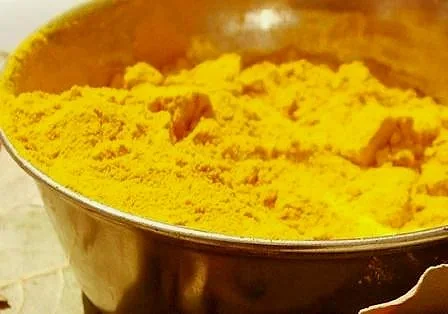
turmeric

I take 2 - 4 Curcumin capsules a day to lower inflammation, as well as Reservatrol, and I add a few drops of Astragalus tincture if needed.

~~~~

High inflammation equals promotion of Cancer fatigue, Cancer growth and Cancer recurrence. Research shows that many herbal medicines can lower pro-inflammatory factors fueling this common side effect of hormone therapy. Below are six herbs that may transform exhaustion into vitality.

One of many reasons we "feel sick" and experience fatigue is due to elevated levels of pro-inflammatory factors. By lowering the levels of these damaging factors we can transform fatigue into well-being, enhance vitality and quality of life and mitigate inflammation related pain.

Inflammation is a fact of cancer and contributes to one of the most common complaints of cancer patients and cancer survivors, Cancer Related Fatigue, a distressing and persistent sense of physical and emotional tiredness as well as reduced mental clarity and alertness. Cancer survivors complain of inability to focus and concentrate, poor memory, inability to think clearly as well as sadness and depression, symptoms of Chemo Brain.

Cancer Fatigueis a common side effect experienced by breast cancer patients undergoing hormone therapy.

Studies have shown that Cancer Fatigue is linked to increased levels of two inflammatory molecules produced by our cells: Tumor Necrosis Factor alpha (TNFa) and Interleukin 6 (IL-6). Increased inflammation contributes to a sense of malaise, lethargy, muscle tenderness and even Lowering TNFa and IL-6 also have been shown to decrease depression and lethargy. Here are six potent herbal medicines, supported by research which demonstrates a decrease these pro-inflammatory factors. You can reduce fatigue, lower disease progression and have less anxiety about recurrence.

SIX HERBAL MEDICINES and FIVE SPICES FOR RELIEF OF CANCER FATIGUE and INFLAMMATION

Research shows that the following herbs and spices lower TNFa and IL6 and can improve normal inflammatory function and relieve symptoms associated with Cancer Related Fatigue.

1. Reishi (Ganoderma lucidum) one of the great medicinal mushrooms of Chinese Medicine traditionally used in many anti cancer and immune modulating formulas. New research demonstrates its ability to lower TNFa and IL6, thus improving Cancer Fatigue.

Grape 2

2. Resveratrol a plant constituent found in red and purple grapes and concentrated from the herb Polygonum cuspidatum. Studies show that Resveratrol is able to turn on genes in the cell linked to longevity and immune function. Immune regulation includes this ability to turn off genes that create inflammation.

3. Astragalus Rootis a well-known Chinese Herb traditionally used to support vitality and is found in many anti cancer and immune modulating formulas. Astragalus root is often added to soups to for its nourishing and healing properties.

thistle

4. Milk Thistle Seed Extract Milk Thistle has been used traditionally not only for its value in enhancing normal inflammation function. It has also been used traditionally to support normal liver detoxification function, lowering our body burden of toxic chemicals which is also linked to tiredness, fatigue and a loss of well-being.

5. Ginseng Root (Panax Ginseng) is a well-known Chinese botanical medicine used for centuries for its restorative properties. Modern science has demonstrated its ability to lower TNFa and IL6, linked to improved energy and relief from these causes of cancer fatigue.

6. Schizandra, The Fruit of Five Flavors, one of the great tonics of Chinese Medicine not only lowers causes of inflammation, but is also rich in plant anti-oxidants which also protect our cells and our genes (DNA) from damage. Reducing DNA damage and protecting our genes is one of the primary ways to limit cancer.

The Pharmacy in Your Kitchen

You can also fight cancer in the kitchen by using culinary spices and herbs that also lower Pro-Inflammatory TNFa and IL6. Such an Anti-Cancer Anti-Inflammatory diet might also include the liberal use of oregano, rosemary, garlic, tumeric, ginger and green tea also rich in cell protective anti-oxidants.

Herbal Medicines may be made into tea or taken as herbal extracts or herbal powders dissolved into water or taken in capsules and tablets.

Always consult with a health care provider knowledgeable in the safe and appropriate use of herbal medicines. (Contact me here for a referral).

Using high quality pharmaceutical grade herbal medicines is the best way to insure expected results. Be patient. Herbal medicines work in the rhythm of nature. It takes several weeks to yield sustainable changes.

If you are concerned about unhealthy levels of inflammatory factors in your body, you can ask your doctor to measure not only TNFa and IL6 as well as HS-CRP (C Reactive Protein).

After you have incorporated foods and herbs that support healthy levels of these inflammation factors and lowered your intake of pro-inflammatory foods, you can re-test to see how well you are doing.

by Dr. Nalini Chilkov

describe the image

Dr. Nalini Chilkov is a well known expert and leader in the field of Integrative Health and Alternative Cancer Care. She has developed a system which combines the best of modern science and wellness medicine.  This system is based on individualized care and a model of natural health and longevity for cancer patients and cancer survivors. Visit http://doctornalini.com to learn more.

Chemotherapy

Chemotherapy can destroy cancer cells by impeding their growth and reproduction. Though chemotherapy is an effective way to treat many types of cancer, chemotherapy treatment also carries a risk of side effects. Some chemotherapy side effects are mild and treatable, while others can cause serious complications.

The drugs used are made to destroy fast-reproducing cells. However, some healthy cells also grow quickly and cancer treatments destroy these cells as well.

The fast-growing, normal cells most likely to be affected by certain treatment drugs are blood-forming cells in the bone marrow, as well as cells in the digestive track, reproductive system, and hair follicles. Thankfully, most normal cells recover quickly when treatment is over. But it is important to protect your gut lining during treatment.

It is recommended that you take a large thermos of ice chips to your chemo sessions, and plenty of water. Add ice to the cups of water and sip during the whole session. this slows down the activity of your gut lining so the chemo will not damage your ability to absorb nutrition.

During the course of your cancer journey, you may experience many, a few, or no side effects. There are several tested safe supplements that can prevent some side effects and also imcrease the efficacy of the chemo drugs. Contact me for more information.

Some newer anti-cancer treatments — such as Herceptin for breast cancer — may cause heart damage as well, although the effect is often temporary and reversible.

If your doctor is considering using a chemotherapy drug that may affect your heart, you may undergo heart function testing before and during treatment. Be sure to ask questions if you have any misgivings.

Chemotherapy drugs that may cause nausea and vomiting

Certain chemotherapy drugs are more likely than are others to cause nausea and vomiting. Some medications associated with significant risk of these side effects include:

  • Altretamine (Hexalen)

  • Busulfan (Busulfex, Myleran)

  • Carmustine (Bicnu)

  • Cisplatin (Platinol)

  • Cyclophosphamide (Cytoxan)

  • Dacarbazine

  • Doxorubicin (Adriamycin)

  • Epirubicin (Ellence)

  • Estramustine (Emcyt)

  • Etoposide

  • Ifosfamide (Ifex)

  • Lomustine (Ceenu)

  • Mechlorethamine (Mustargen)

  • Procarbazine (Matulane)

  • Streptozocin (Zanosar)

  • Temozolomide (Temodar)

You will most likely be given a prescription medication to help with these side effects.  There are also nutritional foods and supplements that can help.  Acupuncture has been known to reduce the occurrence of nausea and vomiting, and is a wonderful complimentary therapy.

Hair  Loss

Chemotherapy may cause hair loss all over your body — not just on your scalp. Sometimes your eyelash, eyebrow, armpit, pubic and other body hair also falls out. Some chemotherapy drugs are more likely than others to cause hair loss, and different doses can cause anything from a mere thinning to complete baldness. Talk to your doctor or nurse about the medication you'll be taking.

I found that a wig helped me through this phase, and I bought eyebrow tattoos online that worked well.  A light eyeliner helped me feel better about losing my eyelashes.  Three weeks after the end of Chemo, my hair began to grow back.

'Chemo Brain'

Chemo brain is a common term used by cancer survivors to describe thinking and memory problems that can occur after cancer treatment. Chemo brain can also be called chemo fog, cognitive changes or cognitive dysfunction.

Signs and symptoms of chemo brain may include:

  • Being unusually disorganized

  • Confusion

  • Difficulty concentrating

  • Difficulty finding the right word

  • Difficulty learning new skills

  • Difficulty multitasking

  • Fatigue

  • Feeling of mental fogginess

  • Short attention span

  • Short-term memory problems

  • Taking longer than usual to complete routine tasks

  • Trouble with verbal memory, such as remembering a conversation

  • Trouble with visual memory, such as recalling an image or list of words

Signs and symptoms of cognitive or memory problems vary from person to person and are typically temporary, often subsiding within two years of completion of cancer treatment.

Again, there are many nutritional supplements and foods that can help you with Chemo Brain.  See my post on Managing Side Effects.

Books:

  1. Questioning Chemotherapy (1996) Equinox Press. ISBN 978-1881025252

  2. Integrative Strategies for Cancer Patients: A Practical Resource for Managing the Side Effects of Cancer Therapy;  Elena J. Ladas , Kara M. Kelly 

  3. Living well with cancer: a nurse tells you everything you need to know about managing the side effects of your treatment; by Katen Moore, Libby Schmais

Accupuncture for Chemotherapy Side Effects

Personal Experience

I went through Chemo treatments much better than many patients. I attribute that to the key supplements I took and specific foods I ate that lessened the side effects. Also to the acupuncture and massage therapy sessions, as well as walking 20 minutes most days.  My nausea was minimal and only lasted 24 hours, with only one dose of the nausea meds.

I still have acupuncture once a month.  It helps my body stay balanced and toxins move out of my system, as well as removing any energy blocks. 

What is acupuncture?

  Acupuncture applies needles, heat, pressure, and other treatments to certain places on the skin to cause a change in the physical functions of the body. The use of acupuncture is part of traditional Chinese medicine (TCM). TCM is a medical system that has been used for thousands of years to prevent, diagnose, and treat disease.

Acupuncture is based on the belief that qi (vital energy) flows through the body along a network of paths, called meridians. Qi is said to affect a person’s spiritual, emotional, mental, and physical condition.

How does it Work?

According to TCM, qi has two forces, yin and yang. Yin and yang are opposite forces that work together to form a whole. The forces of yin and yang depend on each other and are made from each other in an unending cycle, such as hot and cold, day and night, and health and disease. Nothing is ever all yin or all yang, both exist in all things, including people.

Many of the major organs of the body are believed to be yin-yang pairs that must be in balance to be healthy. When a person's yin and yang are not in balance, qi can become blocked.  Blocked qi causes pain, illness, or other health problems.  TCM uses acupuncture,  diet, herbal therapy, meditation, physical exercise, and massage to restore health by unblocking qi and correcting the balance of yin and yang within the person.

Acupuncture may cause physical responses in nerve cells, the pituitary gland, and parts of the brain.  These responses can cause the body to release proteins, hormones, and brain chemicals that control a number of body functions.  It is proposed that, in this way, acupuncture affects blood pressure and body temperature, boosts immune systemactivity, and causes the body's natural painkillers, such as endorphins, to be released.

Which Side Effects Can it Relieve?

1. The strongest evidence of the effect of acupuncture has come from clinical trials on the use of acupuncture to relieve nausea and vomiting. Several types of clinical trials using different acupuncture methods showed acupuncture reduced nausea and vomiting caused by chemotherapy, surgery, and morning sickness. It appears to be more effective in preventing vomiting than in reducing nausea.

A study of acupuncture, vitamin B6 injections, or both for nausea and vomiting in patients treated with chemotherapy for ovarian cancer found that acupuncture and vitamin B6 together gave more relief from vomiting than acupuncture or vitamin B6 alone.

A study of acupressure for relief of nausea and vomiting was done in women undergoing chemotherapy. The study found that acupressure applied to an acupuncture point with a wristband helped to decrease nausea and vomiting and reduced the amount of medicine the women used for those symptoms.

2. In clinical studies, acupuncture reduced the amount of pain in some cancer patients. In one study, most of the patients treated with acupuncture were able to stop taking drugs for pain relief or to take smaller doses.

3. A randomized study of patients with cancer-relatedfatigue found that those who had a series of acupuncture treatments had less fatigue compared to those who had acupressure or sham acupressure treatments.

4. Hormone therapy may cause hot flashes in women with breast cancer and men withprostate cancer. Some studies have shown that acupuncture may be effective in relieving hot flashes in these patients.

5. Human studies on the effect of acupuncture have shown that it changes immune system response.

Source: http://www.cancer.gov/cancertopics/pdq/cam/acupuncture/patient/page1