The Calcium Paradox... Explained

For years women, children and the elderly have been advised to increase their intake of Calcium through supplements and dairy foods.

That statement was not accompanied by a warning that unless you provide your body with the mechanism to transport that calcium to your bones, it will make calcium deposits anywhere.

Calcium buildup in soft tissues can cause medical problems. Calcium can accumulate in the arterial plaque that develops after an injury to the vessel wall.

Normal deposition of calcium occurs in only two places: bone and teeth. Abnormal deposits of calcium occurs in multiple tissues including:

  1. the inner lining of the arteries where atherosclerotic plaque accrues;

  2. the middle muscle layer of arteries (smooth muscle calcification);

  3. the heart valves, especially the aortic valve causing aortic stenosis

To The Rescue!

Vitamin K2 (Mk-7) appears to be the most important factor in steering calcium into the bone and away from heart valves and the arterial system.

Vitamin K is absolutely essential for regulating calcium balance in the body. A deficiency of vitamin K status causes brittle bones and a vascular system that hardens to a state of poor functionality.

A substantial volume of studies shows that insufficient vitamin K2 accelerates arterial calcification.1 A new study shows that restoring vitamin K2 reverses arterial calcification.2

Based on several studies published in 2008, vitamins K2 and K3 have also emerged as intriguing agents in both cancer prevention and treatment.

Vitamin K2 has been shown to induce apoptosis (cell destruction) in leukemia cells in vitro.3

In nature, vitamin K is found in two forms: vitamin K1, which occurs in leafy green vegetables; and vitamin K2, which exists in organ meats, egg yolks, dairy products, and particularly in fermented products such as cheese and curd.

While some ingested K1 is converted to K2 in the body, significant benefits occur when vitamin K2 itself is supplemented. 4

Recommend this video.

References:

1. Beulens JW, Bots ML, Atsma F, et al. High dietary menaquinone intake is associated with reduced coronary calcification. Atherosclerosis. 2008 Jul 19.

2. Schurgers LJ , Spronk HM , Soute BA, Schiffers PM, DeMey JG, Vermeer C . Regression of warfarin-induced medial elastocalcinosis by high intake of vitamin K in rats. Blood. 2007 Apr 1;109(7):2823-31. 

3. Tsujioka T, Miura Y, Otsuki T, et al. The mechanisms of vitamin K2-induced apoptosis of myeloma cells. Haematologica. 2006 May;91(5):613-9.

4. Geleijnse JM, Vermeer C, Grobbee DE, et al. Dietary intake of menaquinone is associated with a reduced risk of coronary heart disease: the Rotterdam Study. J Nutr. 2004 Nov;134(11):3100-5.

 ~ Be Well.

Powerful Remedies for Chemotherapy Side Effects

Dealing with the side effects of Chemotherapy is huge distraction from the business of doing what you should to support and expedite healing from cancer. You now have a whole new set of issues to treat, many of which can leave you feeling depressed and caught up in a downward spiral.

Take heart.. this too shall pass.

Read More

Protect Your Brain and Reverse Aging

Two natural compounds produced by our tissues, L-carnitine and acetyl-L-carnitine (ALC), are similar in that both have identical chemical core structures. However, ALC contains an extra component, an acetic acid bound to the core molecule. It turns out that this extra chemical piece makes a significant difference in how this molecule behaves in our body.

L-carnitine functions as a vehicle to ferry fatty acids across a membrane barrier into the cell’s energy-producing machine, the mitochondria, where the fat is converted to energy. Equally important, it works in the reverse direction, too. It ferries toxic products produced during fat metabolism out of the mitochondria.

We are all aware of the fact that as we age, our energy level diminishes.

Acetyl-L-carnitine is just as active as L-carnitine in transporting fatty acids into the mitochondria. However, as described below, that extra acetyl group confers additional properties which make it superior to its non-acetylated cousin. ALC stands out with respect to its effects on the brain and nervous system and it more readily traverses the blood-brain barrier.

Breakthrough research

Dr. Bruce Ames, professor of molecular and cellular biology at UC Berkeley, put this idea to the test by giving rats a supplement designed to stimulate and protect mitochondria.

Older rats were fed Acetyl-L-Carnitine and Lipoic Acid. Not only did the older rats do better on memory tests, they had more pep, and the energy-producing organelles in their cells worked better.

"With the two supplements together, these rats got up and did the Macarena," said Ames. "The brain looks better, they are full of energy—everything we looked at looks more like a young animal."

Based on Ames' research, we now know that the combination of these two antioxidant dietary supplements supercharges the cells' energy production in order to maximize memory, health and longevity.

The benefits of Acetyl-L-Carnitine supplementation

  • Protect the brain from the effects of aging

  • Improve performance in normal healthy humans (Lino, et al., 1992)

  • Improve cognition by enhancing the production of acetylcholine

  • Delay the progression of Alzheimer's disease and enhance overall performance in some individuals with Alzheimer's disease (Sano, et al., 1992; Bowman, 1992)

  • Improve memory, attention span and alertness in people with Alzheimer's disease (Cabrero, et al., 1992; Cassat, et al., 1990)

  • Improve cerebral blood flow to the brain (Postiglione, et al., 1990; Rosadini, et al., 1988)

  • Counteract depression in the elderly (Bella, et al., 1990)

What is Lipoic Acid?

Lipoic Acid is produced by the body in trace amounts. It's a vitamin-like compound, which is often called the "universal antioxidant". This is because Lipoic Acid offers protection in both water or fat soluble cellular environments, providing antioxidant protection in all parts of our cells and body.

What's special about Lipoic Acid?

Lipoic Acid is invaluable in recycling or restoring other oxidized forms of antioxidants—including vitamin C, vitamin E, glutathione and CoQ10— back to their active states. Lipoic Acid also crosses cell membranes.

Lipoic Acid's benefits

Because of Lipoic Acid's unique abilities as a natural, broad-spectrum antioxidant, research into its effects quickly branched out. Since its development in Germany in the 1970s as a treatment for diabetic complications, it is routinely given to diabetics in Europe.

Some of the findings from this extensive research concluded that Lipoic Acid has the potential to:

  • Lower body levels of toxic metals, especially mercury.

  • Help prevent heart disease by protecting LDL cholesterol (bad cholesterol) from oxidation.

  • Promote brain and nerve cell health by stimulating Nerve Growth Factor (NGF).

the most intriguing discovery was Lipoic Acid's anti-aging effects on old animals.

Lipoic Acid was also found to:

  • Improve memory in aged animals by restoring age-related brain cell receptor defects.

  • Protect brain cells from damage caused by toxins and chemicals.

  • Recycle CoQ10 back to its antioxidant form in the body, enhancing the antioxidant protection of this important antioxidant.

  • Normalize elevated lipid peroxide levels in aged animals, reducing the risk of oxidation damage, cardiovascular disease, and cancer.

  • Restore antioxidant protection in old animals to normal, young animal levels.

Supporting Study from the National Institutes of Health (NIH)

(R)-alpha-lipoic acid-supplemented old rats have improved mitochondrial function, decreased oxidative damage, and increased metabolic rate. Hagen TM, Ingersoll RT, Lykkesfeldt J, Liu J, Wehr CM, Vinarsky V, Bartholomew JC, Ames AB. Department of Molecular and Cell Biology, University of California at Berkeley, Berkeley, California 94720, USA.

Click Here for Study.

NOTE: Consult with your Doctor or Nutritionist before starting any new supplement regimen.

Be Well! ♥

Some Good News about Depression and Anti-oxidants!

Americans spend more money than any other country on anti-depressants every year. Much of them wind up in our water supply.

What a boon to the Earth and to humanity for a natural, non-toxic substance to be found just as effective in the treatment of this condition.  The fantastic news is that we may have stumbled on just such a discovery.

After my mother's onset of dementia, I became clinically depressed. . I was put on Wellbutrin, which messed with my brain in unhealthy ways. I couldn't think clearly, I could no longer multitask or plan meals or appointments for the next few days. I had to get off the meds and turn to natural remedies. I would not recommend prescription drugs to anyone, unless they had exhausted other methods of treatment.

Here is the good news!

Antioxidants as antidepressants: fact or fiction?

Scapagnini G, Davinelli S, Drago F, De Lorenzo A, Oriani G. 2012, Jun 1st

Source : Department of Medicine and Health Sciences, University of Molise, Campobasso, Italy.

Depression is a medical condition with a complex biological pattern of aetiology, involving genetic and epigenetic factors, along with different environmental stressors. Recent evidence suggests that oxidative stress processes might play a relevant role in the pathogenic mechanism(s) underlying many major psychiatric disorders, including depression.

medicines-1756239_1280.jpg

Reactive oxygen and nitrogen species have been shown to modulate levels and activity of noradrenaline (norepinephrine), serotonin, dopamine and glutamate, the principal neurotransmitters involved in the neurobiology of depression. Major depression has been associated with lowered concentrations of several endogenous antioxidant compounds, such as vitamin E, zinc and coenzyme Q10, or enzymes, such as glutathione peroxidase, and with an impairment of the total antioxidant status.

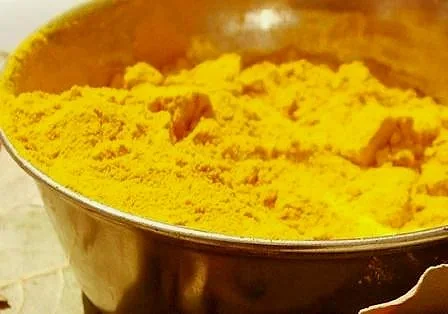
Additionally, curcumin, the yellow pigment of curry, has been shown to strongly interfere with neuronal redox homeostasis in the CNS and to possess antidepressant activity in various animal models of depression, also thanks to its ability to inhibit monoamine oxidases.

There is an urgent need to develop better tolerated and more effective treatments for depressive disorders and several antioxidant treatments appear promising and deserve further study.

Be Well! ♥

Critical Functions of Vitamin D

the importance of certain vitamins and minerals in cancer inhibition and better prognosis.

What is Vitamin D?

Vitamin D is technically not a vitamin. It is the name given to a group of fat-soluble prohormones (substances that are precursors to hormones that usually have little hormonal activity by themselves). This supplement must be taken with K2, to direct the calcium it builds into bone only.

Two major forms of vitamin D that are important to humans are vitamin D2, or ergocalciferol, and vitamin D3 or cholecalciferol. Vitamin D2 is made naturally by plants, and vitamin D3 is made naturally by the body when the skin is exposed to ultraviolet radiation (in particular, UVB radiation) in sunlight. Vitamin D2 and vitamin D3 can also be commercially manufactured.

The active form of vitamin D in the body is 1,25-dihydroxyvitamin D. It is involved in a number of processes that are essential for good health, including the following:

  • It helps improve muscle strength and immune function.

  • It helps reduce inflammation, (critical for Cancer).

  • It promotes the absorption of calcium from the small intestine.

  • It helps maintain adequate blood levels of the calcium and phosphate needed for bone formation, incorporating minerals to increase strength and density, growth, and repair.

For years, Life Extension has been exploring the potentially devastating consequences of vitamin D deficiency, ranging from cardiovascular disease to cancer. Now in this report, Life Extension magazine examines the link between low levels of plasma vitamin D and autism. At the forefront of this research is Dr. John J. Cannell, executive director of the Vitamin D Council and a forensic psychiatrist at Atascadero State Hospital in California.

The stunning findings suggest that rampant vitamin D deficiency is causally related to brain dysfunction, and may be readily preventable by adequate supplementation.

An epidemic of autism appears to be underway in the United States. According to several respected leaders in child and adult nutrition from across the United States, the current meteoric rise in autism and autism spectrum disorders (ASD) may well be a direct consequence of significant vitamin D deficiencies in pregnant women and their infants.  And evidence points to vitamin D deficiency as the cause of other debilitating brain conditions as well.  This insidious deficiency is readily remedied--yet tragically often missed. 

Read More Here...

Most people get the vitamin D they need through sunlight exposure. It can also be obtained through the diet, but very few foods naturally contain vitamin D. Those that do include fatty fish, fish liver oil, and eggs. 

Most dietary vitamin D comes from fortified foods, such as milk, juices, yogurt, bread, and breakfast cereals. Vitamin D can also be obtained through dietary supplements.

How Vitamin D Reduces the Risk of Cancer

The mechanisms by which vitamin D reduces the risk of cancer are fairly well understood. They include enhancing calcium absorption (in the case of colorectal cancer) [Lamprecht and Lipkin, 2003], inducing cell differentiation, increasing cancer cell apoptosis or death, reducing metastasis and proliferation, and reducing angiogenesis [van den Bemd and Chang, 2002].

In addition, Vitamin D3 down-regulates parathyroid hormone (PTH) [Chapuy et al., 1987]. IGF-I has been implicated in the pathogenesis of human cancer. Since IGF-I stimulates tumor growth and high quantities are a consequence of the standard American diet [Grant, 2002a; 2004], vitamin D can be considered one partial antidote to the American diet.

How Much Vitamin D is needed?

Each person responds differently to UVB exposure and oral intake of vitamin D depending on such factors as skin pigmentation, body mass index (vitamin D is fat soluble), age, condition of digestive tract, other dietary factors, etc.

Dietary vitamin D is insufficient alone to significantly reduce the risk of most cancers since the ingested amounts, up to 200 to 400 I.U. per day, are too low [Grant and Garland, in press]. Evidently, 600 to 1000 I.U per day are required to reduce the risk of vitamin-D-sensitive cancers, except possibly prostate cancer, for which population-average values of serum 25(OH)D are associated with the minimum risk [Tuohimaa et al., 2004; Grant, in press].

The current understanding is that serum 25(OH)D levels should be in the 50 to 70 ng/ml range for cancer prevention and optimal health. The only way to determine one’s 25(OH)D levels is through a blood test.

NOTE: Taking Melatonin supplements allows a reduced dose of Vit. D since they produce a 20 to 100-fold INCREASE in the sensitivity of Breast Cancer cells to Vit. D. This is why periodic blood test to determine Vit. D (25 Hydroxy) level is important.

References:

  1. Chapuy MC, Chapuy P, Meunier PJ. Calcium and vitamin D supplements: effects on calcium metabolism in elderly people. Am J Clin Nutr. 1987;46:324-8.

  2. Devesa SS, Grauman DJ, Blot WJ, Pennello GA, Hoover RN, Fraumeni JF Jr., Atlas of Cancer Mortality in the United States, 1950-1994. NIH Publication No. 99-4564, 1999. website (accessed March 3, 2004).

  3. Doll R, Peto R. The causes of cancer: quantitative estimates of avoidable risks of cancer in the United States today. J Natl Cancer Inst. 1981;66:1191-308.

  4. Garland CF, Garland FC. Do sunlight and vitamin D reduce the likelihood of colon cancer? Int J Epidemiol. 1980;9:227-31.

  5. Garland C, Shekelle RB, Barrett-Connor E, Criqui MH, Rossof AH, Paul O. Dietary vitamin D and calcium and risk of colorectal cancer: a 19-year prospective study in men. Lancet. 1985;1:307-9.

  6. Grant WB. An estimate of premature cancer mortality in the United States due to inadequate doses of solar ultraviolet-B radiation, Cancer, 2002b;94:1867-75.

  7. Grant WB. A multicountry ecologic study of risk and risk reduction factors for prostate cancer mortality. Eur Urol. 2004;45:371-9.

~ Be Well. ♥

Guaranteed to Raise Your Antioxidant Level

It is rare to find a company that has enough research behind their product that they can offer a money-back guarantee if it does not perform. Depending on the supplement you are taking, it's not always an easy task to discover if you're getting the full benefit from what you're taking.  With Vitamins like D, you can do a blood test, but when your goal is to raise your antioxidant levels, testing how well  you're doing can be costly.

What Depletes Antioxidants Stored in our Body?

Many things contribute to the depletion of antioxidants in our bodies...stress, smoking, lack of good digestion, too much exercise, infection, etc.

Vitamin C fights free radicals in body tissues and blood plasma, while vitamin E protects fat-rich molecules, such as LDL and HDL cholesterol, and fat cells from oxidation. This effort to protect the body results in the depletion of vitamin C and E in body stores.

Our bodies store antioxidants for use when we need them.  If we are not storing enough, we are less likely able to fight off inflammatory diseases like diabetes, heart disease and cancer. Eating a balanced diet with 5 to 10 servings of fruits and vegetables every dayto obtain maximum levels of dietary antioxidants is recommended, but not always achievable.

To boost your vitamin E levels, include whole grains, nuts and seeds, egg yolks and vitamin E- fortified foods in your diet. Consult your doctor about vitamin supplementation.

Choosing an Antioxidant Supplement

Choosing an antioxidant supplement — You want to make sure the manufacturer uses pure ingredients from a trusted source, organic when possible, has both their own and third-party research behind the formulas, and is reputable.

There are a handful of companies that meet these criteria, but only one I know of that also offers a money back guarantee.

Lifepak Nano is a proprietary innovation in anti-aging protection with advanced bio-availability and maximum benefits. It is manufactured by NuSkin / Pharmanex, one of the leading anti-aging research companies.

Lifepak Nano is their star supplement, which exhibits rather exceptional results. If you are considering a comprehensive Vitamin/Mineral/Flavonoid supplement, consider this product.

  • Specific purpose to guard against the ravages of aging each day of your lifespan*

  • Superior bio-availability with CR-6 LipoNutrients™ enhances uptake from the gut into the bloodstream and body for maximum anti-aging benefits*

  • Advanced anti-aging formula helps protect the body with key nutrients such as NanoCoQ10™ and nano carotenoids*

  • Helps maintain normal inflammatory responses in the body*

  • Feeds and helps protect the brain with DHA and EPA*

  • Offers superior DNA protection against damaging free radical attacks by providing the body with important antioxidants and phytonutrients such as alpha-lipoic acid and catechins*

  • Protects cell health with an antioxidant defense network*

  • Helps protect cardiovascular health with a comprehensive blend of omega-3 fatty acids and other nutrients

  • Provides comprehensive bone nutrition support*

  • Promotes healthy immune function*

  • Supports normal blood sugar metabolism*

  • Corrects nutritional deficiencies*

~ Be Well! ♥

In the News: Integrative Medicine: Antioxidants and Chemotherapy

Share widely!

Antioxidants and Chemotherapy

By Drs. Kay judge and Maxine Barish-Wreden

Published: Thursday, May. 31, 2012

Inflammation, and the use of antioxidants to put out inflammatory fires, is a hot topic these days. What do we mean by inflammation?

Inflammation is a natural and necessary response in the body whenever we are accosted by harmful germs or when we injure ourselves. When this occurs, our immune system steps in to fight foreign invaders and to bring our body back into balance so that we can heal.

Inflammatory chemicals are produced during this process, which can be harmful to our tissues, but antioxidants in our foods, such as vitamins C and E, help to quell this response and restore order to our tissues.

Inflammation can run amok, however, and cause persistent damage to healthy tissue, especially if we smoke or if we are overweight or obese. Chemotherapy drugs that are used to treat cancer also produce severe inflammation in the body, and this particular inflammatory response helps to kill off cancer cells. But it also harms healthy tissue in the process.

Many oncologists have been fearful of having their patients take any antioxidants during chemotherapy for fear that antioxidants might reduce the effectiveness of the chemo.

In a recent article in the journal Alternative and Complementary Therapies, Dr. Keith Block, a renowned integrative cancer specialist affiliated with the University of Illinois, discussed his review of more than 2,300 studies on the use of antioxidants during chemotherapy, and his report is very reassuring.

In summary, antioxidants often help to reduce side effects from chemotherapy, and this may allow patients to complete their full course of medication without interruption, which itself leads to better outcomes. Certain antioxidants also enhance the effectiveness of chemotherapy, reduce long-term toxicity and improve survival.

Not a single study reviewed by Block showed any evidence of antioxidants interfering with the effectiveness of chemotherapy. In fact, a recent article looking at the impact of antioxidants in Chinese women undergoing treatment for invasive breast cancer found that use of antioxidant vitamin supplements in the first six months after diagnosis resulted in a reduced risk of both mortality and cancer recurrence.

Other studies have suggested survival benefit in certain cancers when patients take melatonin, as well as reduced toxicity from chemo with the use of glutathione and coenzyme Q10 among others.

So, if you are affected by cancer, what should you be thinking about to protect yourself during and after chemotherapy? First and foremost, begin by eating a super-healthful, plant-based diet that is loaded with dark-colored fruits and veggies so that you maximize your intake of antioxidants from your food, which is the most powerful way to get them.

You can also consider supplementing your diet with some of the more powerful antioxidants, such as fish oil, coenzyme Q10, vitamin C, vitamin E and selenium, though we recommend that you meet with an integrative cancer specialist first so that you can determine which supplements are ideal for you, given your particular tumor as well as your treatment regimen.

And for those of you who have been affected by cancer, either because you or a loved one have faced this disease, there is a conference coming to Sacramento in September that you should know about. It's titled "Cancer as a Turning Point, From Surviving to Thriving," and it is a gathering of some of the best and most inspiring experts in this business.

Cancer as a Turning Point is sponsored by the non-profit organization Healing Journeys, whose vision is that everyone touched by cancer or any life-altering condition be empowered to move from surviving to thriving. This conference is usually offered in two cities across the country every year.  The conference is free to all attendees, though donations are greatly appreciated to offset the cost, and donations are also tax-deductible. For more information, and to register, go to www.healingjourneys.org.

And for more information on an integrative approach to cancer treatment, look at Block's 2009 book "Life Over Cancer" (Bantam, $28, 608 pages) or Alschuler's gem that she co-wrote with Karolyn Gazella, "The Definitive Guide to Cancer: An Integrative Approach to Prevention, Treatment, and Healing" (Celestial Arts, $25, 496 pages), now in its third edition.

~ Be Well! ♥

Taurine - the Benefits

Taurine is an amino acid that supports neurological development and helps regulate the level of water and mineral salts in the blood. Taurine is also thought to have antioxidant properties. Taurine is found naturally in meat, fish and breast milk, and is available as a dietary supplement.

Taurine may help lower high blood pressure by encouraging the excretion of excess fluid, calming the sympathetic nervous system, and relieving arterial spasms that can cause blood pressure to rise. It helps stabilize blood sugar levels; protects lung and eye health. It is also protects the gallbladder, and may help reduce the risk of gallbladder disease associated with use long-term use of anti-seizure medications.

Some studies suggest that Taurine supplementation may improve athletic performance, which may explain why it is used in many energy drinks.

In one study, people with congestive heart failure who took Taurine supplements three times a day for two weeks showed improvement in their exercise capacity.

Up to 3 grams a day of supplemental Taurine is considered safe. Any excess Taurine is simply excreted by the kidneys. Moderation is important, however. Little is known about the effects of heavy or long-term Taurine use.

TIP: Because the doses of Taurine needed are in gram quantities, you may prefer to purchase a powder form rather than capsules. It is best taken between meals, early morning or bedtime.

CAUTION: Taurine might have an effect like a water pill or "diuretic." Taking Taurine might decrease how well the body gets rid of lithium. This could increase how much lithium is in the body and result in serious side effects. Talk with your healthcare provider before using this product if you are taking lithium

For Energy and Cardio Support - L-Carnitine

While I was going through Chemo I was advised to take L-Carnitine starting 2 days after treatment and up until my next treatment to help with low energy and reduce the possibility of neuropathy. I didn't feel overly fatigued, despite a dense dose regimen. Consult a nutritionist before taking this supplement if you are in treatment.

Now L-Carnitine 1000 MG - 100 Tabs

L-Carnitine is a substance that helps the body turn fat into energy. Your body makes it in the liver and kidneys and stores it in the skeletal muscles, heart, brain, and sperm.

Usually, your body can make all the L-carnitine it needs. Some people, however, may not have enough L-carnitine because their bodies cannot make enough or can' t transport it into tissues so it can be used. It has been proposed as a treatment for many conditions because it acts as an antioxidant.

The best food sources of L-carnitine are red meat (especially lamb), poultry and dairy, so individuals eating healthier diets with limited intake of these foods tend to have lower L-carnitine intake. Smaller amounts are found in fish, tempeh, asparagus, avocado and peanut butter. Diet alone can be insufficient to meet L-carnitine needs in states of depletion.

EFFECTS OF L-CARNITINE:

  • Lowers total cholesterol and triglycerides, while increasing HDL ("good") cholesterol

  • Inhibits seizures [De Vivo et al., 1998; Igisu et al., 1995]

  • Helps protect the liver in patients taking Accutane and anti-seizure drugs

  • Improves memory, attention and cognitive function; helps protect against brain injury and promote brain repair, particularly in the Acetyl-L-carnitine form [Igisu et al., 1995]

  • L-carnitine inhibits the activity of excess thyroid hormone and reduces symptoms of hyperthyroidism

  • Prevents cardiomyopathy induced by adriamycin (doxorubicin) [Anselmi et al., 1993; De Leonardis et al., 1985; Neri et al., 1983] without interfering with the anticancer efficacy of the drug nor promoting tumor growth [Peluso et al., 200 :347].

  • Human studies have proven carnitine's value in supporting energy production and reducing symptoms in patients with congestive heart failure, diabetes, and lung diseases.

  • Improves athletic performance and exercise tolerance.

POSSIBLE SIDE EFFECTS: Some people find L-carnitine upsets their stomach. Take with a meal to reduce this side effect.

CONTRAINDICATIONS: Use only under a doctor’s supervision if you have kidney disease or are on dialysis.

Astaxanthin - A Gift from the Sea

The great variety of plants, herbs, roots and food which have been discovered to contain powerful plant chemicals is truly astounding. Astaxanthin, a compound found in plants such as algae and animals such as salmon and krill, an ocean dwelling crustacean similar to shrimp, is one of those compounds.It isa member of a group of plant pigments called carotenoids and is therefore related to such compounds as beta-carotene, lutein, lycopene and vitamin A.

These pigments are highly antioxidative and some of them are functionally important in vision and eye health.

Protection from oxidative damage: Due to astaxanthin’s unique structure, it can actually insert itself into a cell membrane where it can then effectively perform its role as protector of that membrane from reactive oxygen species (ROS).

As oxidative damage can be a mechanism for the development of a variety of disease processes, astaxanthin could prove to be useful in many clinical applications.

Endothelial dysfunction is a common aspect of the process that eventually can lead to cardiovascular disease. In models of hypertension in stroke prone laboratory animals, astaxanthin has been shown to not only improve endothelial function but also display antithrombotic and antihypertensiveproperties, thus decreasing risk factors associated with heart disease pathophysiology. Astaxanthin alsoimproved insulin resistance, the common predecessor or diabetes.

Additionally, in a human study, this red colored, lipid soluble pigment also increased HDL while significantly reducing triglycerides, therefore addressing other risk factors in cardiovascular disease.

Exercise and athletics: Improved sports performance and athletic capacity has been an interesting facet of astaxanthin research. For instance, in competitive cyclists, astaxanthin ingestion was associated with significantimprovements in time trialsas well as power output.

Muscle endurance and strength also improved with its supplementation.

Oxidative stress can be a significant issue in overweight and obese individuals as they have a higher capacity of generating lipid peroxidation than those of typical body composition. Throw in exercise and the incidence of oxidative damage dramatically increases in this population. Astaxanthin was able to decrease lipid peroxidation and various markers in this vulnerable segment of society.

Boosting immune function: Improved immune function and immune response are also beneficial effects of astaxanthin supplementation where it stimulated cell-mediated and humoral immune function in lab animals, while in another study it modulated inflammatory cytokines, including IL-1β, IL-6, and cyclooxygenase (COX)-2, thus inhibiting colitis and colitis-associated colon carcinogenesis.

Neuroprotection:Finally, astaxanthin has demonstrated possible neuroprotective properties as well suggesting it may be useful in those with potential to develop neurodegenerative conditions such as Alzheimer’s or dementia.  by Michael Fuhrman D.C.

~~~~~~~~

XanthOmega™

In addition to its rich phospholipids, omega–3s, and astaxanthin, XanthOmega™ also naturally contains several other antioxidants including, canthaxanthin, β–carotene, vitamin E and trans–retinol vitamin A. These antioxidants offer benefits of their own while also protecting this nutrient–dense oil from oxidation.

Designs for Health's XanthOmega™ Krill Oil is made using a unique cold–extraction process that converts it into stable oil. This process protects the lipids from alteration and avoids peroxidation. It is free of heavy metals and organohalide pollutants, making it extremely pure. This product does not cause reflux or regurgitation commonly experienced by those consuming regular fish oil supplements.

*These statements have not been evaluated by the Food and Drug Administration.  This product is not intended to diagnose, treat, cure or prevent any disease.

Fortified with increased levels of astaxanthin for expanded health benefits

The amount of the powerful antioxidant astaxanthin in XanthOmega™ Krill Oil has been increased from 1.5 mg to 12 mg per serving to help achieve optimal benefits from this potent carotenoid.

What are Krill?  Krill are tiny crustaceans found in the sea and make up the world's largest animal biomass. The oil extracted from krill is rich in the omega–3 fatty acids EPA and DHA.

This updated version is considered to be a virgin krill oil, the purest form available, with higher phospholipid bioavailability, enhancing the absorption of one of krill's shining features, the powerful antioxidant astaxanthin.

In summary, many studies suggest that the benefits of this level of astaxanthin may include:

  1. Powerful antioxidant

  2. Cardiovascular health – helping to promote healthy lipid profiles; potential anti–hypertensive

  3. Sports performance – increasing muscle endurance and reducing exercise–induced muscle damage

  4. Eye support – Reducing eye fatigue and improving visual acuity[5]

  5. Supporting skin health – protecting against UVA–induced aging, as in skin sagging and wrinkles

  6. Anti–inflammatory

  7. Gastric health support – helping to reduce gastric inflammation and reflux symptoms

CAUTION: This product contains Krill Oil. DO NOT take if you are allergic to Shellfish.

"Chemo Brain" and Cancer Related Fatigue - Remedies

Suffering from Cancer Related Fatigue? Chemo Brain? Decrease your Cancer Fatigue by taking control of inflammation.

turmeric

I take 2 - 4 Curcumin capsules a day to lower inflammation, as well as Reservatrol, and I add a few drops of Astragalus tincture if needed.

~~~~

High inflammation equals promotion of Cancer fatigue, Cancer growth and Cancer recurrence. Research shows that many herbal medicines can lower pro-inflammatory factors fueling this common side effect of hormone therapy. Below are six herbs that may transform exhaustion into vitality.

One of many reasons we "feel sick" and experience fatigue is due to elevated levels of pro-inflammatory factors. By lowering the levels of these damaging factors we can transform fatigue into well-being, enhance vitality and quality of life and mitigate inflammation related pain.

Inflammation is a fact of cancer and contributes to one of the most common complaints of cancer patients and cancer survivors, Cancer Related Fatigue, a distressing and persistent sense of physical and emotional tiredness as well as reduced mental clarity and alertness. Cancer survivors complain of inability to focus and concentrate, poor memory, inability to think clearly as well as sadness and depression, symptoms of Chemo Brain.

Cancer Fatigueis a common side effect experienced by breast cancer patients undergoing hormone therapy.

Studies have shown that Cancer Fatigue is linked to increased levels of two inflammatory molecules produced by our cells: Tumor Necrosis Factor alpha (TNFa) and Interleukin 6 (IL-6). Increased inflammation contributes to a sense of malaise, lethargy, muscle tenderness and even Lowering TNFa and IL-6 also have been shown to decrease depression and lethargy. Here are six potent herbal medicines, supported by research which demonstrates a decrease these pro-inflammatory factors. You can reduce fatigue, lower disease progression and have less anxiety about recurrence.

SIX HERBAL MEDICINES and FIVE SPICES FOR RELIEF OF CANCER FATIGUE and INFLAMMATION

Research shows that the following herbs and spices lower TNFa and IL6 and can improve normal inflammatory function and relieve symptoms associated with Cancer Related Fatigue.

1. Reishi (Ganoderma lucidum) one of the great medicinal mushrooms of Chinese Medicine traditionally used in many anti cancer and immune modulating formulas. New research demonstrates its ability to lower TNFa and IL6, thus improving Cancer Fatigue.

Grape 2

2. Resveratrol a plant constituent found in red and purple grapes and concentrated from the herb Polygonum cuspidatum. Studies show that Resveratrol is able to turn on genes in the cell linked to longevity and immune function. Immune regulation includes this ability to turn off genes that create inflammation.

3. Astragalus Rootis a well-known Chinese Herb traditionally used to support vitality and is found in many anti cancer and immune modulating formulas. Astragalus root is often added to soups to for its nourishing and healing properties.

thistle

4. Milk Thistle Seed Extract Milk Thistle has been used traditionally not only for its value in enhancing normal inflammation function. It has also been used traditionally to support normal liver detoxification function, lowering our body burden of toxic chemicals which is also linked to tiredness, fatigue and a loss of well-being.

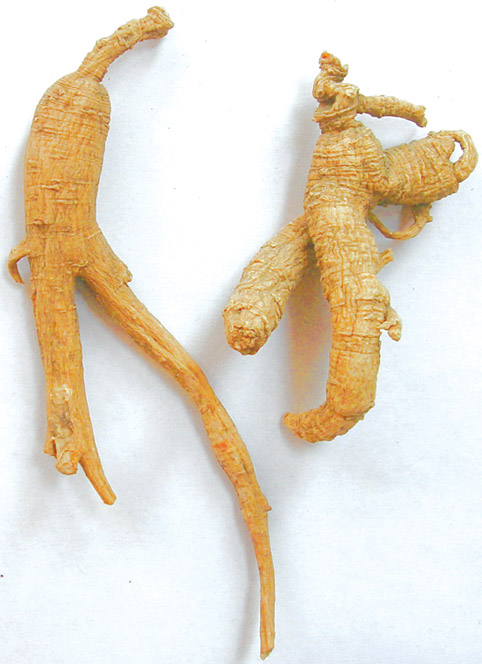
5. Ginseng Root (Panax Ginseng) is a well-known Chinese botanical medicine used for centuries for its restorative properties. Modern science has demonstrated its ability to lower TNFa and IL6, linked to improved energy and relief from these causes of cancer fatigue.

6. Schizandra, The Fruit of Five Flavors, one of the great tonics of Chinese Medicine not only lowers causes of inflammation, but is also rich in plant anti-oxidants which also protect our cells and our genes (DNA) from damage. Reducing DNA damage and protecting our genes is one of the primary ways to limit cancer.

The Pharmacy in Your Kitchen

You can also fight cancer in the kitchen by using culinary spices and herbs that also lower Pro-Inflammatory TNFa and IL6. Such an Anti-Cancer Anti-Inflammatory diet might also include the liberal use of oregano, rosemary, garlic, tumeric, ginger and green tea also rich in cell protective anti-oxidants.

Herbal Medicines may be made into tea or taken as herbal extracts or herbal powders dissolved into water or taken in capsules and tablets.

Always consult with a health care provider knowledgeable in the safe and appropriate use of herbal medicines. (Contact me here for a referral).

Using high quality pharmaceutical grade herbal medicines is the best way to insure expected results. Be patient. Herbal medicines work in the rhythm of nature. It takes several weeks to yield sustainable changes.

If you are concerned about unhealthy levels of inflammatory factors in your body, you can ask your doctor to measure not only TNFa and IL6 as well as HS-CRP (C Reactive Protein).

After you have incorporated foods and herbs that support healthy levels of these inflammation factors and lowered your intake of pro-inflammatory foods, you can re-test to see how well you are doing.

by Dr. Nalini Chilkov

describe the image

Dr. Nalini Chilkov is a well known expert and leader in the field of Integrative Health and Alternative Cancer Care. She has developed a system which combines the best of modern science and wellness medicine.  This system is based on individualized care and a model of natural health and longevity for cancer patients and cancer survivors. Visit http://doctornalini.com to learn more.

Glutathione

"It's the most important molecule you need to stay healthy and prevent disease --

yet you've probably never heard of it. It's the secret to prevent aging, cancer, heart disease, dementia and more, and necessary to treat everything from autism to Alzheimer's disease. There are more than 89,000 medical articles about it -- but your doctor doesn't know how address the epidemic deficiency of this critical life-giving molecule ...

GLUTATHIONE (pronounced "gloota-thigh-own") is a master detoxifier and maestro of the immune system. The highest concentration of glutathione is found in the liver, making it critically important in the detoxification and elimination of free radicals. Accumulation of these dangerous compounds can result in oxidative stress, which occurs when the generation of free radicals in the body exceeds the body’s ability to neutralize and eliminate them.

 How Should Glutathione Be Taken?

 Unfortunately the BEST way to get supplemental glutathione into our system is through intravenous therapy. Glutathione is probably not well absorbed into the body when taken by mouth.  A more practical solution is to take the precursors -- that is, the molecules the body needs to make glutathione -- rather than glutathione itself. While there is no solid proof this works, the consensus among experts is that doing so will increase the amount of glutathione in the cells.

   "The good news is that your body produces its own glutathione. The bad news is that poor diet, pollution, toxins, medications, stress, trauma, aging, infections and radiation all deplete your glutathione.   This leaves you susceptible to unrestrained cell disintegration from oxidative stress, free radicals, infections and cancer. And your liver gets overloaded and damaged, making it unable to do its job of detoxification.

   “At first I thought that this was just a coincidental finding, but over the years I have come to realize that our ability to produce and maintain a high level of glutathione is critical to recovery from nearly all chronic illness -- and to preventing disease and maintaining optimal health and performance. "  from Dr. Mark Hyman's blog .. read more here.

other Sources:

 Glutathione: New Supplement on the Block

 Gustavo Bounous, MD, is director of research and development at Immunotec and a retired professor of surgery at McGill University in Montreal, Canada. "It's the [body's] most important antioxidant because it's within the cell."

 Antioxidants -- the most well-known of which are vitamins C and E -- are important for good health because they neutralize free radicals, which can build up in cells and cause damage.

 Glutathione occurs naturally in many foods, and people who eat well probably have enough in their diets, says Dean Jones, PhD, professor of biochemistry and director of nutritional health sciences at Emory University in Atlanta. Those with diets high in fresh fruits and vegetables and freshly prepared meats are most likely just fine. On the other hand, those with poor diets may get too little.

 Appleton is Chairman of the Department of Nutrition at the National College of Naturopathic Medicine in Portland, Ore., and senior science editor for Healthnotes, a database on complementary and alternative medicine available at newspaper stands and health food stores.

 "If you look in a hospital situation at people who have cancer, AIDS, or other very serious disease, almost invariably they are depleted in glutathione," says Appleton. "The reasons for this are not completely understood, but we do know that glutathione is extremely important for maintaining intracellular health."

Bounous has developed a glutathione-enhancing product called Immunocal, which is made up of glutathione precursors, mainly the amino acid cysteine.

 Who Does Glutathione Help?

 Animal and laboratory studies have demonstrated that glutathione has the potential to fight almost any disease, particularly those associated with aging, since free radical damage is the cause of many of the diseases of old age.

 "Theoretically, there are many very strong arguments in favor of a therapeutic use of glutathione," says Appleton. "But when people have actually tried to use glutathione as an oral supplement, nasal spray, or intravenously, the results have been more of a preliminary nature. The amount of research on glutathione as a supplement ... is very limited."

 The best studies have been conducted in cancer. One study involved women with ovarian cancer who were being treated with chemotherapy. Some of the women were also treated with intravenous glutathione. Those given the glutathione not only had fewer side effects from the chemotherapy but also had better overall survival rates.

 Case Study

Myriam Abalain of Montreal, Canada, is one of the many people who have taken Bounous's Immunocal to combat cancer. In 1996, at age 33, a routine PAP smear revealed she had precancerous cells on her cervix, which is one step away from having cervical cancer. The three specialists she visited all told her that a hysterectomy was her only option, but she hesitated to have such major, life-altering surgery.

 Instead, she waited. For more than two years, her condition remained stable. Then a friend suggested she try Immunocal. After eight months of taking the supplement, her physician could no longer detect any precancerous cells. Does this mean Immunocal cured her? It's hard to say based on just one case like hers. It is possible her body went into remission naturally.

 Even Bounous acknowledges there's no real proof his product cured her cancer, but he's working on conducting good clinical research, comparing individuals with cancer taking glutathione to those who are not.


What Are the Risks?

 Overall, taking glutathione or its precursors in reasonable amounts appears to be quite safe, although it should be avoided in people with milk protein allergies and in those who have received an organ transplant.

 Appleton recognizes this possibility but says "there's no evidence that supplementing with glutathione, even intravenously, is in any way going to make any cancer worse. In fact, the evidence we have suggests the opposite."

 The upshot? The experts disagree on who should take glutathione or its precursors. Bounous says everyone should take it in order to optimize overall health. Appleton would reserve it for people with cancer. Jones says it might only prove beneficial for those who eat poorly and are thus unlikely to be getting much glutathione or its precursors in their diet.

 They all acknowledge that people with severe diseases known to be associated with low glutathione levels, such as AIDS, may well benefit from the supplement, although there is no proof to this effect.

 For her part, Myriam Abalain is still taking Immunocal and feeling fine. "I'm doing pretty

Talk to your doctor about Glutathione treatment, especially if you are in Chemotherapy.

  Be Well.  ♥

Can Ancient Herbs Treat Cancer?

BreastDefend

One of the more expensive supplements I have been advised to take is called BreastDefend from EcoNugenics. It costs about $89 for a 2 month supply.(Trust me that's inexpensive compared to other supplements I take!)

Many of the ingredients in BreastDefend stand on their own and have been highlighted under the Super Supplements heading when you go to Complimentary Therapies on my main page, with the exception of the Scutellaria barbata herb, which is not available to the public as a single supplement.

Formula:

"Using eight clinically tested compounds, this synergistic formula is scientifically proven to promote cellular health, promote healthy hormone modulation, and support healthy immune function.*

The proprietary blend contains the antioxidative flavanoid quercetin, turmeric rhizome extract (BCM-95®; 95% curcumin), Astragalus membranaceus root extract, Scutellaria barbata herb extract, and an advanced formulation of DIM (3,3'- diindolylmethane). DIM, an ingredient found in broccoli, has been researched for its ability to promote cellular health, and support healthy estrogen metabolism. The formula is completed by the addition of three powerful, botanically enhanced medicinal mushrooms for immune support.*"

The only ingredient in this formula that is not available to the general public is the Scutellaria barbata herb extract which is also known as Ban Zhi Lian.

The Chinese herb Ban Zhi Lian may not be in everyone's lexicon, but to the 80 women with stage IV metastatic breast cancer, who are participating in the second phase of the BZL101 clinical trials, it represents hope and life.

According to  TimeHealth:

For Bionovo, the drug discovery and development company in Emeryville, Calif., that's behind BZL101, there's hope. The trial is the first FDA-validated clinical study of a potential cancer drug derived from a Chinese medicinal herb, says Dr. Mary Tagliaferri, a co-founder of the company, former practicing acupuncturist and a breast-cancer survivor. "Sixty-two percent of chemotherapy drugs come from natural products, and plants have been the basis of almost every new class of medication," she says. "It makes sense that these plants can act as anticancer agents."

Cohen's early observations about Ban Zhi Lian may have started out as a hunch, but they may hold up. In 1996, Cohen and Tagliaferri, along with Dr. Debu Tripathy, then a breast cancer specialist at the University of California, San Francisco, co-founded the Complementary and Alternative Medicine program at the university's Carol Franc Buck Breast Care Center. Over the next several years, the trio amassed enough evidence about the herb's anticancer properties — in lab tests of animals and breast-cancer cells, BZL101 caused apoptosis or cell death, according to Tagliaferri — to get a green light from the FDA to begin clinical trials."

Read the full article here:

http://www.time.com/time/health/article/0,8599,1671684,00.html#ixzz1uDqfXPfV

*These statements have not been evaluated by the Food and Drug Administration

Things You Didn't Know about Melatonin, but Should!

I was surprised when 4 of the 5 nationally recognized CAM specialists I consulted with asked me to take high doses of Melatonin (15 - 18 mg) as part of my supplement regimen. You have to build the dose gradually, starting with 2 mg /night. I didn't have problems with sleep then, but was educated as to why this was an important addition for cancer prevention.  There is little reason not to add Melatonin to your diet.  It has been shown to be safe up to those levels.  The only caution is if you are also taking sedative medications like clonazepam (Klonopin), lorazepam (Ativan), phenobarbital (Donnatal), zolpidem (Ambien). For other mild drug interactions, click here.

What is Melatonin?

The hormone melatonin, is found in a great variety of organisms.  Melatonin is produced in humans by the pineal gland.  The plant derived form, phytomelatonin, is sold as a dietary supplement in the United States and is used by some CAM practitioners in the treatment of cancer patients.

Long known for its ability to regulate the body`s natural circadian rhythms, melatonin is rapidly emerging as a powerful agent in the fight against brain aging and neurologic deterioration. Melatonin effectively protects both lipids and proteins from free radical damage as it easily crosses the blood-brain barrier. The production of melatonin decreases with age and oxidation slowly diminishes the normal electrical communication patterns seen in a healthy brain.

The result of a study published in the Behavioral and Brain Functionsjournal found that patients suffering from neurologic disorders such as Parkinson`s and Alzheimer`s disease were deficient in circulating levels of melatonin.

sleep

What does it Do?

Circadian organization of the host-cancer balance is important to cancer prevention, screening, diagnosis, and treatment.

Both melatonin and chronotherapy have been studied for many years but, despite largely positive findings, have not been brought into mainstream cancer therapy.

All living organisms are organized in biological time, and melatonin, a hormone secreted mainly by the pineal gland, is an important part of this scheme. In the human light-dark cycle, melatonin peaks every 24 hours, between 2 a.m. and 3 a.m.

The light-dark cycle helps synchronize the activity of the central biological clock. It is also a new member of an expanding group of regulatory factors that control cell  proliferation and loss, and is the only known chronobiotic hormonal regulator of neoplastic cell growth (a cell that is part of tumor).

At physiological concentrations, melatonin suppresses cell growth and multiplication and inhibits cancer cell proliferation in vitro through specific cell-cycle effects. At pharmacological concentrations, melatonin suppresses cancer cell growth and multiplication.

Unique Property of this Antioxidant

The Blood-Brain Barrier is a mechanism that controls the passage of substances from the blood into the cerobrospinal fluid and thus into the brain and spinal cord. The blood-brain barrier (BBB) lets essential metabolites, such as oxygen and glucose, pass from the blood to the brain and central nervous system (CNS) but blocks most molecules that are more massive than about 500 daltons. This means that everything from hormones and neurotransmitters to viruses and bacteria are refused access to the brain by the BBB. It also means that many drugs, which would otherwise be capable of treating disorders of the CNS, are denied access to the very regions where they would be affective.

Key functions of the BBB are:

  • Protecting the brain from "foreign substances" (such as viruses and bacteria) in the blood that could injure the brain

  • Shielding the brain from hormones and neurotransmitters in the rest of the body

  • Maintaining a constant environment (homeostasis) for the brain

Melatonin is anantioxidantthat can easily cross cell membranes and the blood–brain barrier.reference

Melatonin is a direct scavenger of OH, O2−, and NO.[5] Unlike other antioxidants, melatonin does not undergo redox cycling, the ability of a molecule to undergo reduction and oxidation repeatedly. Redox cycling may allow other antioxidants (such as vitamin C) to act as pro-oxidants, counterintuitively promoting free radical formation. Melatonin, on the other hand, once oxidized, cannot be reduced to its former state because it forms several stable end-products upon reacting with free radicals. Therefore, it has been referred to as a terminal (or suicidal) antioxidant.

Melatonin Shown to Lower Cancer Risk by 34%

Melatonin has been shown to be effective in the fight against many cancer lines including those affecting the liver, breast, prostate, lung and brain. Melatonin is a powerful and versatile antioxidant that is naturally secreted by the pineal gland at night during total darkness. The natural nutrient can scavenge the most dangerous free radicals that are known to result in genetic deletions that dramatically increase the risk of many cancers.

The result of a meta-analysis of ten studies released in the Journal of Pineal Research demonstrated that melatonin is able to lower the risk of many cancer lines by up to 34%. Researchers found that this protection resulted across all dosage ranges and there were no adverse effects reported. The lead author concluded, "The substantial reduction in risk of death, low adverse events reported and low costs related to this intervention suggest great potential for melatonin in treating cancer."

Read more 

here.

Research

Researchers at Harvard evaluated 147 people with invasive breast cancer and 291 without cancer as part of the Nurses Health Study. They took a morning urine sample and measured melatonin levels via a melatonin by-product called 6-sulphatoxymelatonin. The researchers found women with the highest melatonin had the lowest risk of cancer.

Spanish researchers evaluated melatonin supplements as a treatment for rats with advanced and untreated breast tumors. Melatonin given daily significantly increased survival in animals. The researchers concluded that the results strongly suggest that melatonin is beneficial during advanced breast cancer, because it increases survival time.

Additional Reading:

  1. Mills E, Wu P, Seely D, Guyatt G. Melatonin in the treatment of cancer: a systematic review of randomized controlled trials and meta-analysis. J Pineal Res. 2005 Nov:39(4):360-6.

  2. Saez MC, Barriga C, Garcia JJ, Rodriguez AB, Masot J, Duran E, Ortega E. Melatonin increases the survival time of animals with untreated mammary tumours: Neuroendocrine stabilization. Mol Cell Biochem. 2005:278(1-2):15-20.

  3. Markesbery W: Oxidative stress hypothesis in Alzheimer's disease. Free Radic Biol Med 1997, 23:134-147. PubMed Abstract.

  4. Reiter RJ: Oxidative damage in the central nervous system: protection by melatonin. Prog Neurobiol 1998, 56:359-384. PubMed Abstract

  5. Poeggeler B, Saarela S, Reiter RJ, Tan DX, Chen LD, Manchester LC, Barlow-Walden LR (November 1994). "Melatonin--a highly potent endogenous radical scavenger and electron donor: new aspects of the oxidation chemistry of this indole accessed in vitro". Ann. N. Y. Acad. Sci.738: 419–20. DOI:10.1111/j.1749-6632.1994.tb21831.x. PMID7832450.

Chemotherapy

Chemotherapy can destroy cancer cells by impeding their growth and reproduction. Though chemotherapy is an effective way to treat many types of cancer, chemotherapy treatment also carries a risk of side effects. Some chemotherapy side effects are mild and treatable, while others can cause serious complications.

The drugs used are made to destroy fast-reproducing cells. However, some healthy cells also grow quickly and cancer treatments destroy these cells as well.

The fast-growing, normal cells most likely to be affected by certain treatment drugs are blood-forming cells in the bone marrow, as well as cells in the digestive track, reproductive system, and hair follicles. Thankfully, most normal cells recover quickly when treatment is over. But it is important to protect your gut lining during treatment.

It is recommended that you take a large thermos of ice chips to your chemo sessions, and plenty of water. Add ice to the cups of water and sip during the whole session. this slows down the activity of your gut lining so the chemo will not damage your ability to absorb nutrition.

During the course of your cancer journey, you may experience many, a few, or no side effects. There are several tested safe supplements that can prevent some side effects and also imcrease the efficacy of the chemo drugs. Contact me for more information.

Some newer anti-cancer treatments — such as Herceptin for breast cancer — may cause heart damage as well, although the effect is often temporary and reversible.

If your doctor is considering using a chemotherapy drug that may affect your heart, you may undergo heart function testing before and during treatment. Be sure to ask questions if you have any misgivings.

Chemotherapy drugs that may cause nausea and vomiting

Certain chemotherapy drugs are more likely than are others to cause nausea and vomiting. Some medications associated with significant risk of these side effects include:

  • Altretamine (Hexalen)

  • Busulfan (Busulfex, Myleran)

  • Carmustine (Bicnu)

  • Cisplatin (Platinol)

  • Cyclophosphamide (Cytoxan)

  • Dacarbazine

  • Doxorubicin (Adriamycin)

  • Epirubicin (Ellence)

  • Estramustine (Emcyt)

  • Etoposide

  • Ifosfamide (Ifex)

  • Lomustine (Ceenu)

  • Mechlorethamine (Mustargen)

  • Procarbazine (Matulane)

  • Streptozocin (Zanosar)

  • Temozolomide (Temodar)

You will most likely be given a prescription medication to help with these side effects.  There are also nutritional foods and supplements that can help.  Acupuncture has been known to reduce the occurrence of nausea and vomiting, and is a wonderful complimentary therapy.

Hair  Loss

Chemotherapy may cause hair loss all over your body — not just on your scalp. Sometimes your eyelash, eyebrow, armpit, pubic and other body hair also falls out. Some chemotherapy drugs are more likely than others to cause hair loss, and different doses can cause anything from a mere thinning to complete baldness. Talk to your doctor or nurse about the medication you'll be taking.

I found that a wig helped me through this phase, and I bought eyebrow tattoos online that worked well.  A light eyeliner helped me feel better about losing my eyelashes.  Three weeks after the end of Chemo, my hair began to grow back.

'Chemo Brain'

Chemo brain is a common term used by cancer survivors to describe thinking and memory problems that can occur after cancer treatment. Chemo brain can also be called chemo fog, cognitive changes or cognitive dysfunction.

Signs and symptoms of chemo brain may include:

  • Being unusually disorganized

  • Confusion

  • Difficulty concentrating

  • Difficulty finding the right word

  • Difficulty learning new skills

  • Difficulty multitasking

  • Fatigue

  • Feeling of mental fogginess

  • Short attention span

  • Short-term memory problems

  • Taking longer than usual to complete routine tasks

  • Trouble with verbal memory, such as remembering a conversation

  • Trouble with visual memory, such as recalling an image or list of words

Signs and symptoms of cognitive or memory problems vary from person to person and are typically temporary, often subsiding within two years of completion of cancer treatment.

Again, there are many nutritional supplements and foods that can help you with Chemo Brain.  See my post on Managing Side Effects.

Books:

  1. Questioning Chemotherapy (1996) Equinox Press. ISBN 978-1881025252

  2. Integrative Strategies for Cancer Patients: A Practical Resource for Managing the Side Effects of Cancer Therapy;  Elena J. Ladas , Kara M. Kelly 

  3. Living well with cancer: a nurse tells you everything you need to know about managing the side effects of your treatment; by Katen Moore, Libby Schmais

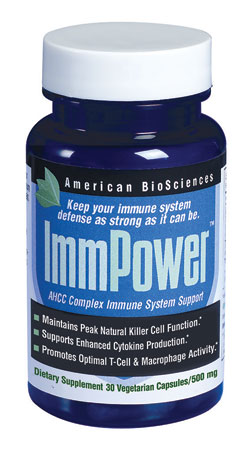
AHCC - ImmPower

ImmPower : Produced by American Biosciences of Blauvelt, NY

ImmPower

A fermented extract produced from the mycelium of hybridized medicinal mushrooms grown in the extract of rice bran, AHCC been shown to significantly improve the immune system by increasing the production of the body’s “killer cells”, whose function is to destroy abnormal cells and invading organisms in the body.

Currently used in over 700 clinics throughout Asia, AHCC has gained wide acceptance due to the volume of research devoted to its applications. As the subject of over 100 research papers from the world’s leading research centers, AHCC has been studied at prestigious U.S. institutions such as the UC Davis Cancer Center, Columbia Presbyterian Medical Center, the Yale School of Medicine and the Harvard-affiliated Brigham and Women’s Hospital, among others.

The most important factor driving the acceptance of AHCC at cancer clinics has been its impact on reducing the side effects of chemotherapy. AHCC has been shown to help reverse the suppression of immunity (that results from cytotoxic chemotherapy treatments) by significantly raising patients’ white blood cell counts, as well as contribute to the prevention of chemically induced alopecia (hair loss), the reduction of nausea and vomiting and the protection of the bone marrow (by helping prevent myelo-supression and anemia, which contribute to the patient’s fatigue). Read full article here.

Research shows provides unsurpassed support for the immune system's front-line defenses:*

  • Maintaining peak Natural Killer cell function*

  • Supporting enhanced cytokine production*

  • Promoting optimal T-cell and macrophage activity*

"Animal studies suggest that AHCC has antioxidant effects and may protect against disorders induced by oxidative stress and also enhance resistance against bacterial and viral infections.

A study of healthy subjects aged 50 years and older suggests that AHCC improves T-cell immune responses via increased production of interferon-l and tumor necrosis factor-alpha for up to 30 days after treatment. In healthy humans, AHCC increased dendritic cell number and function."

Herb-Drug Interactions:

AHCC can induce CYP450 2D6. This may decrease the activity of other drugs, like doxorubicin or ondansetron, which are substrates of this enzyme.

  Read full article

here

.

Avemar (AveUltra)

I am going to include  a lot of information on AveMar, since it will not surface in any traditional medical discussion about cancer treatment. None of the Western medicine docs I spoke with knew what it was, and yet it has been around for some time, with tremendous results. I started taking it almost 2 years ago and continue to do so despite the cost.  A one month supply is $130 - $199 depending on where you buy it.

AvéULTRA (the version made in the US) is the dietary supplement with Avemar®, a uniquely beneficial natural compound that has been the subject of more than 28 peer-reviewed publications describing in vitro, in vivo and human clinical trials. Avemar supports the foundations of good health by enhancing the body's ability to modulate immune response and to regulate cell metabolism.

Avemar's development was initiated by Dr. Albert Szent-Györgyi, recipient of the Nobel Prize for the discovery of vitamin C. He theorized that supplemental quantities of the naturally occurring compound, Methoxy-Substituted Benzoquinones (DMBQ), would help regulate the processes of cellular metabolism and support mechanisms of immune system regulation.

Avemar is made from wheat germ fermented by baker’s yeast through a patented process (US patent# 6,355,474), standardized for DMBQ. Studies conducted in the US, Hungary, Israel, Italy, Austria and Russia with Avemar prove Dr. Szent-Györgyi theories correct, with such dramatic results, its hard to believe its all-natural.

What makes Avemar stand out among other known therapies is the fact that its effectiveness isn’t limited to any one specific type of cancer. So far it has exhibited positive effects against all forms of cancer cell lines tested.

Cancer Cells Are Gluttons for Glucose

Whether they proceed to replicate, grow, and eventually spread throughout the body is determined by enzymatic activity and their accessibility to various nutrients—which is where nutritional habits, environmental factors, and hormones have a direct influence.  Each of these has the potential to interfere, block, or promote enzyme activity and metabolic pathways that tumor cells depend on for their survival.

Every form of cancer cell utilizes glucose at rates 10 to 50 times higher than that of normal healthy cells (a well-known phenomenon referred to as “the Warburg effect”).

Unlike normal, healthy cells that utilize glucose primarily for energy, tumor cells use glucose to proliferate.  To achieve this function, cancer cells need large amounts of glucose that they can convert into building materials for new cells. As the tumor grows, more and more glucose is consumed.

One of the main problems with conventional cancer therapies such as chemotherapy and radiation is that they are non-specific, so they destroy normal, healthy cells along with disease-ridden ones.

Research indicates that Avemar works through several different mechanisms. One of its most unique benefits, however, is its ability to inhibit glucose metabolism in cancer cells.

  • Increases immune system’s ability to identify harmful cells for destruction

  • Regulates glucose metabolism at the cellular level, starving enemy cells that require excessive glucose

  • Regulates and modulate the immune system’s white blood cells for peak performance -- T cells, B cells, macrophages and NK cells

  • Maintains healthy cellular and humoral (Th1/Th2) immune balance

  • Supports cell metabolic regulation

  • Promotes immune system modulation

  • Maintains healthy cellular & humoral (Th1/Th2) immune balance

  • Promotes optimal NK cell targeting ability and the coordinated response of white blood cells: macrophages, B-cells, T-cells and NK cells

  • Enhances the ability of T-cells to respond to antigen presentation

  • Enhances the ability of B-cells to respond to activation and produce appropriate antibodies

AvéULTRA is a more concentrated and better tasting version than Avemar, eliminating maltodextrin stabilizer, and replacing fructose sweetener with natural, "0" calorie Stevia.

Product Notice: Avemar is not a replacement or substitute for other clinically prescribed therapies.

Read more .

Quercetin

Quercetin belongs to a group of plant pigments called flavonoids that give many fruits, flowers, and vegetables their color. Fruits and vegetables, particularly citrus fruits, apples, onions, parsley, sage, tea, and red wine, are the primary dietary sources of quercetin. Olive oil, grapes, dark cherries, and dark berries, such as blueberries, blackberries, and bilberries, are also high in flavonoids, including quercetin.

Scientists have long considered quercetin, and other flavonoids, important in cancer prevention. People who eat more fruits and vegetables tend to have lower risk of some types of cancer. And animal and test tube studies suggest that flavonoids do indeed have anti cancer properties.

Quercetin and other flavonoids have been shown in these studies to inhibit the growth of cancer cells from breast, colon, prostate, ovarian, endometrial, and lung tumors.  One study even suggests that quercetin is more effective than reservatrol in terms of inhibiting tumor growth. Another found that frequent intake of quercetin rich foods was associated with lower lung cancer risk.

Recent studies suggest that quercetin may slow the growth of cancer cells and help foster apoptosis, a form of natural cell death that doesn't happen in most cancer cells. Some studies in animals show that quercetin may help protect against certain types of cancer, particularly colon cancer.

In addition to this, preliminary studies have also suggested that quercetin may be effective in protecting against prostatitis (inflamed prostate) and heart disease.

Of course Quercetin is available in higher amounts in supplements than would be found in food. It can be found in capsule or tablet form ranging in doses from 50 milligrams (mg) to 500 mg. There is no recommended standard dose for quercetin so talk to your medical practitioner about dosage.

Read more here.