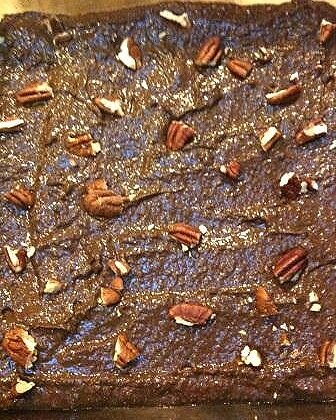
Dark Chocolate Black Bean Bars

  • 3/4 c. cold-pressed Coconut Oil

  • 5 oz. 85% organic Dark Chocolate, broken into pieces

  • 2 c. cooked organic Black Beans, drained

  • 3 Tbs. organic raw Cocoa Powder

  • 3 Tbs. Coconut Flakes (more to taste)

  • 1 c. organic Walnuts, roughly chopped

  • 1 pinch of Pink Sea Salt

  • 2 Free Range Eggs

  • 3 Tbs. freshly ground Golden Flax Seeds

  • 2/3 c. Birch Xylitol or 1 c. Chicory Root powder

Preheat the oven to 325°F and line an 11-inch square or 8 x 11 baking pan with parchment paper.

Melt the coconut oil on low heat in a medium size pan, add dark chocolate pieces. Stir around until the chocolate is completely melted.

Chocolate Black Bean Bars2

Chocolate Black Bean Bars

Put beans, cacao powder, coconut flakes and 1/2 cup of the walnuts in a blender or a food processor. Blend for one minute or until well chopped, then add the chocolate mixture and blend for one more minute, scraping down sides once.

Chocolate Black Bean Bars6

Chocolate Black Bean Bars6

In a separate bowl, whisk the eggs with an electric mixer for about 2 minutes, add the flax seeds and xylitol and beat for one more minute.

Save 1 tablespoon of egg mixture in a separate cup and pour the rest into the chocolate and bean mixture and process just until incorporated.

Add remaining walnuts and dark chocolate and stir gently with a spatula to blend.

Chocolate Black Bean Bars7

Chocolate Black Bean Bars7

Pour into the baking pan.

Drip the remaining egg mixture on top of the chocolate mixture and use a toothpick or a knife to create a marble effect.

Chocolate Black Bean Bars final

Bake for 25 - 30 minutes depending on size of pan. They might still feel a little soft in the middle when you test with a toothpick, but they will harden when they cool. These are decadently chocolaty!

You can spread a little no-sugar-added raspberry jam on top for variation.

~ Enjoy!  ♥

Protect Your Brain and Reverse Aging

Two natural compounds produced by our tissues, L-carnitine and acetyl-L-carnitine (ALC), are similar in that both have identical chemical core structures. However, ALC contains an extra component, an acetic acid bound to the core molecule. It turns out that this extra chemical piece makes a significant difference in how this molecule behaves in our body.

L-carnitine functions as a vehicle to ferry fatty acids across a membrane barrier into the cell’s energy-producing machine, the mitochondria, where the fat is converted to energy. Equally important, it works in the reverse direction, too. It ferries toxic products produced during fat metabolism out of the mitochondria.

We are all aware of the fact that as we age, our energy level diminishes.

Acetyl-L-carnitine is just as active as L-carnitine in transporting fatty acids into the mitochondria. However, as described below, that extra acetyl group confers additional properties which make it superior to its non-acetylated cousin. ALC stands out with respect to its effects on the brain and nervous system and it more readily traverses the blood-brain barrier.

Breakthrough research

Dr. Bruce Ames, professor of molecular and cellular biology at UC Berkeley, put this idea to the test by giving rats a supplement designed to stimulate and protect mitochondria.

Older rats were fed Acetyl-L-Carnitine and Lipoic Acid. Not only did the older rats do better on memory tests, they had more pep, and the energy-producing organelles in their cells worked better.

"With the two supplements together, these rats got up and did the Macarena," said Ames. "The brain looks better, they are full of energy—everything we looked at looks more like a young animal."

Based on Ames' research, we now know that the combination of these two antioxidant dietary supplements supercharges the cells' energy production in order to maximize memory, health and longevity.

The benefits of Acetyl-L-Carnitine supplementation

  • Protect the brain from the effects of aging

  • Improve performance in normal healthy humans (Lino, et al., 1992)

  • Improve cognition by enhancing the production of acetylcholine

  • Delay the progression of Alzheimer's disease and enhance overall performance in some individuals with Alzheimer's disease (Sano, et al., 1992; Bowman, 1992)

  • Improve memory, attention span and alertness in people with Alzheimer's disease (Cabrero, et al., 1992; Cassat, et al., 1990)

  • Improve cerebral blood flow to the brain (Postiglione, et al., 1990; Rosadini, et al., 1988)

  • Counteract depression in the elderly (Bella, et al., 1990)

What is Lipoic Acid?

Lipoic Acid is produced by the body in trace amounts. It's a vitamin-like compound, which is often called the "universal antioxidant". This is because Lipoic Acid offers protection in both water or fat soluble cellular environments, providing antioxidant protection in all parts of our cells and body.

What's special about Lipoic Acid?

Lipoic Acid is invaluable in recycling or restoring other oxidized forms of antioxidants—including vitamin C, vitamin E, glutathione and CoQ10— back to their active states. Lipoic Acid also crosses cell membranes.

Lipoic Acid's benefits

Because of Lipoic Acid's unique abilities as a natural, broad-spectrum antioxidant, research into its effects quickly branched out. Since its development in Germany in the 1970s as a treatment for diabetic complications, it is routinely given to diabetics in Europe.

Some of the findings from this extensive research concluded that Lipoic Acid has the potential to:

  • Lower body levels of toxic metals, especially mercury.

  • Help prevent heart disease by protecting LDL cholesterol (bad cholesterol) from oxidation.

  • Promote brain and nerve cell health by stimulating Nerve Growth Factor (NGF).

the most intriguing discovery was Lipoic Acid's anti-aging effects on old animals.

Lipoic Acid was also found to:

  • Improve memory in aged animals by restoring age-related brain cell receptor defects.

  • Protect brain cells from damage caused by toxins and chemicals.

  • Recycle CoQ10 back to its antioxidant form in the body, enhancing the antioxidant protection of this important antioxidant.

  • Normalize elevated lipid peroxide levels in aged animals, reducing the risk of oxidation damage, cardiovascular disease, and cancer.

  • Restore antioxidant protection in old animals to normal, young animal levels.

Supporting Study from the National Institutes of Health (NIH)

(R)-alpha-lipoic acid-supplemented old rats have improved mitochondrial function, decreased oxidative damage, and increased metabolic rate. Hagen TM, Ingersoll RT, Lykkesfeldt J, Liu J, Wehr CM, Vinarsky V, Bartholomew JC, Ames AB. Department of Molecular and Cell Biology, University of California at Berkeley, Berkeley, California 94720, USA.

Click Here for Study.

NOTE: Consult with your Doctor or Nutritionist before starting any new supplement regimen.

Be Well! ♥

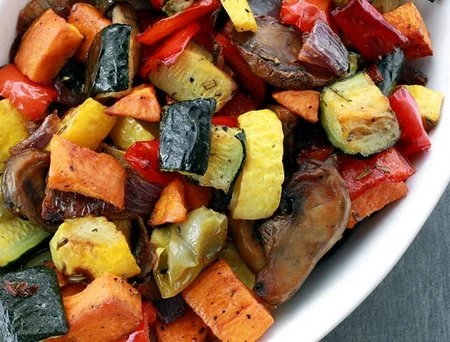
Roasted Vegetables with Tea Leaves

Roasted Rainbow Vegetables

8 Servings

Ingredients:

  • 1 cup chopped Red Cabbage

  • 1 cup coarsely chopped Onion

  • 3 Zucchini, cut in half lengthwise and sliced 3/4" thick

  • 3 Carrots, sliced 3/4" thick

  • 1/2 large Eggplant, cut in chunks

  • 1 c. Butternut Squash, cut in bite size pieces

  • 2 Sweet Potatoes, cut in bite size pieces

  • 7 - 8 cloves Garlic cloves, halved if large

  • 2 Tbs. Green Tea leaves (soaked)

  • 4 Tbs. Olive Oil

  • 1 1/2 tsp. Himalayan Sea Salt

  • 1/2 tsp. Black Pepper

  • 1 tsp. Caraway Seeds

  • 1/4 tsp. Cayenne Pepper

Pre-heat oven to 425ºF.

Combine veggies in a large bowl with tea leaves. Add Olive oil and toss to coat thoroughly.

Sprinkle with the spices. Toss again until evenly coated with the spices. Spoon onto 2 baking sheets lined with parchment paper and lightly sprayed with Coconut or Olive oil.

Roast for 20 minutes, then flip with spatula and continue to roast for another 10-15 minutes or until carrots are tender. Adjust seasoning, and serve hot.

Coconut Cilantro Chutney

Coconut Cilantro Chutney Recipe

  • 3/4 c. shredded unsweetened Coconut

  • 3/4 c. fresh organic Cilantro, coarsely chopped

  • 1 small seeded organic Serrano chili,  quartered

  • 1/2 c. light coconut milk (or green tea)

  • Juice of 1/2 organic Lime

  • dash of Sea Salt

Place all but Lime juice in blender, or food processor, and pulse until consistency is almost smooth.

Pour into a bowl and mix in lime juice. Taste and adjust seasoning.

As a variation you may add 1 clove of garlic to veggies, or a 1/2 inch slice of ginger.

Makes about 1 cup of chutney.

♥

Blood Sugar and Weight Loss Support in a Bean?

Green coffee bean extract is a powerful anti-oxidant

by Dr. David Jockers

There are two major types of coffee plants; Arabica and Robusta. The highest quality green coffee bean extract comes from the Arabica plant which is higher in the polyphenol anti-oxidants chlorogenic and caffeic acids. The majority of coffee drinkers are missing out on much of the benefits that coffee contains. The deep roasting process significantly reduces the anti-oxidant content.

Additionally, coffee is one of the most widely pesticide/herbicide sprayed crops in the world. Studies have shown over 1000 toxic chemicals in roasted coffee. It is essential to use organic coffee that is free of these dangerous chemicals that mimic hormones, congest our liver, kidneys and bowels and promote cancer growth.

Another powerful carcinogen is produced when high temperature cooking (baking, frying & roasting) damages sugars which then interact with the amino acid asparagine. This chemical reaction creates the potent carcinogen acrylamide. Instant and deeply roasted coffee has been shown to have significantly more acrylamide than brewed coffee.

There are many great health benefits associated with coffee consumption. A recent 2011 study indicated that individuals who consumed the most coffee had the lowest risk of type II diabetes. The researchers found that the chlorogenic acid reduces the release and creation of excess glucose in the body.

Blood sugar balance

Blood sugar balance is an absolutely critical measure of healthy aging in the body. Too much sugar and grains in the diet will lead to blood sugar imbalances. The body then goes through spirals of hyperglycemia and hypoglycemia. These blood sugar imbalances cause inflammation in the body that damage hormonal control systems, organs, and immune function.

Glucose overload is another major cause of blood sugar imbalances.  The common sign of this is elevated fasting blood sugar levels. At night, the individual has elevated glucose-6-phosphatase (G6P) enzyme activity that causes an elevated release of blood sugar from the muscle and liver. The body is basically eating these tissues.

The latest evidence shows that healthy fasting blood sugar ranges are between 65-85 mg/DL. Meanwhile, post meal ranges (2 hrs after) should never go above 120 mg/dL. When levels test higher it is a clear indication of oxidative stress damaging cells and tissues of the body.

The major anti-oxidant in green coffee bean extract, chlorogenic acid, has been shown to profoundly inhibit the release of the G6P enzyme which significantly stabilizes blood sugar levels. In one clinical study a dose of 400mg of green coffee bean extract showed a 32% reduction in the post meal blood glucose spike. This translates into someone who would have an extremely dangerous 160mg/dL blood sugar level down to a safe post-meal level of 109mg/dL

Stable blood sugar allows for better energy, mental clarity, hormone function, detoxification capabilities and weight loss. Raw green coffee bean extract along with other superfoods such as cacao and cinnamon all show great results in stabilizing blood sugar and improving overall bodily functions. The combination of these three also synergizes to create even greater effects in the body.

Due to the diuretic effects of caffeine in the coffee it is necessary to consume extra water. The water should ideally be from a natural spring or have gone through a deep filtration process to remove environmental toxins.

Sources:http://www.ncbi.nlm.nih.gov/pubmed/20171062http://greencoffeebeanbenefits.com/

And a second reference that states:

There are many reasons you may not be losing weight. If you started lifting weights, then chances are you are building muscle, which would negate any fat loss. This is good because muscle burns more calories than fat, so chances are you’ll see nice weight loss results down the road.

Second, if you do not sleep enough or aren’t eating enough, your body’s metabolism will slow down, negating the powerful weight loss properties of green coffee extract. Women should eat at least 1,200 calories per day and men should eat at least 1,500 calories per day.

Third and finally, the most likely culprit is that you’re still eating too much. Studies have shown that humans tend to under-estimate their caloric intakes by 25-40% on a normal basis. Therefore, you could be eating 300-600 calories more per day then you think you are.

Another likely culprit for overeating is due to emotional eating. Dr. Oz recently tackled this problem that affects a large percentage of the population. You see, when we are sad our dopamine levels are significantly lower. To increase these pleasure chemicals in our body, we eat junk foods, which have chemicals designed to increase these dopamine levels.

To combat this, Dr. Oz recommends takingsaffron extract,  a natural extract from a flower grown in tropical regions. Saffron extract replaces the dopamine levels you are lacking, which prevents you from snacking on unhealthy foods.

Source: http://greencoffeebeanbenefits.com/

Green Coffee Beans May Aid Weight Loss

CAUTION: If you have hypertension, or a medical condition that cautions against the consumption of Caffeine, do not take this product.  Always check with your doctor before starting any Supplement.

~ Be Well! ♥

Some Good News about Depression and Anti-oxidants!

Americans spend more money than any other country on anti-depressants every year. Much of them wind up in our water supply.

What a boon to the Earth and to humanity for a natural, non-toxic substance to be found just as effective in the treatment of this condition.  The fantastic news is that we may have stumbled on just such a discovery.

After my mother's onset of dementia, I became clinically depressed. . I was put on Wellbutrin, which messed with my brain in unhealthy ways. I couldn't think clearly, I could no longer multitask or plan meals or appointments for the next few days. I had to get off the meds and turn to natural remedies. I would not recommend prescription drugs to anyone, unless they had exhausted other methods of treatment.

Here is the good news!

Antioxidants as antidepressants: fact or fiction?

Scapagnini G, Davinelli S, Drago F, De Lorenzo A, Oriani G. 2012, Jun 1st

Source : Department of Medicine and Health Sciences, University of Molise, Campobasso, Italy.

Depression is a medical condition with a complex biological pattern of aetiology, involving genetic and epigenetic factors, along with different environmental stressors. Recent evidence suggests that oxidative stress processes might play a relevant role in the pathogenic mechanism(s) underlying many major psychiatric disorders, including depression.

medicines-1756239_1280.jpg

Reactive oxygen and nitrogen species have been shown to modulate levels and activity of noradrenaline (norepinephrine), serotonin, dopamine and glutamate, the principal neurotransmitters involved in the neurobiology of depression. Major depression has been associated with lowered concentrations of several endogenous antioxidant compounds, such as vitamin E, zinc and coenzyme Q10, or enzymes, such as glutathione peroxidase, and with an impairment of the total antioxidant status.

Additionally, curcumin, the yellow pigment of curry, has been shown to strongly interfere with neuronal redox homeostasis in the CNS and to possess antidepressant activity in various animal models of depression, also thanks to its ability to inhibit monoamine oxidases.

There is an urgent need to develop better tolerated and more effective treatments for depressive disorders and several antioxidant treatments appear promising and deserve further study.

Be Well! ♥

Eggplant Caponata

In the Middle East, the Eggplant is referred to as the King of Vegetables due to its versatility and the large number recipes that feature this violet beauty.

Caponata is served cold as an appetizer.  Since it is versatile, I have heated it up and spooned it over hot millet or quinoa cooked in vegetable broth!

Recipe

Serves @ 10 as an appetizer

eggplant muchroom saute

  • 2 lbs. organic Eggplant, peeled and diced

  • 2 Tbs. Extra Virgin Olive Oil

  • 1 c. organic White Onion, small diced

  • ½ c. organic Bell Pepper, small diced

  • 2 Tbs. Garlic, finely chopped

  • 2 c. organic Tomatoes (peeled, seeded, and small diced)

  • ¼ c. organic Basil, fresh chopped

  • 2 Tbs. Sherry Vinegar

  • 1 Tbs. organic Lemon, squeezed

  • 1/8 tsp. Monk Fruit powder

  • 1 small Green Chili, minced (opt.)

  • ¼ c. Green Olives, chopped

  • 2 tsp. Black Pepper, coarsely ground

  • 1 Head of Green leaf Lettuce

Sauté diced eggplant in olive oil until lightly browned; removed from pan. In the same pan, sauté onions, bell peppers, tomatoes and garlic for 2 minutes (vegetables should still have some texture, and garlic should not brown). Mix everything else together in a large bowl with the cooked vegetables.

Refrigerate overnight.

Serve over a bed of lettuce and surround with toasted whole wheat pita bread triangles, or scoop onto whole wheat Tuscan bread.

capanota

~ Buon Apetito!

♥

Critical Functions of Vitamin D

the importance of certain vitamins and minerals in cancer inhibition and better prognosis.

What is Vitamin D?

Vitamin D is technically not a vitamin. It is the name given to a group of fat-soluble prohormones (substances that are precursors to hormones that usually have little hormonal activity by themselves). This supplement must be taken with K2, to direct the calcium it builds into bone only.

Two major forms of vitamin D that are important to humans are vitamin D2, or ergocalciferol, and vitamin D3 or cholecalciferol. Vitamin D2 is made naturally by plants, and vitamin D3 is made naturally by the body when the skin is exposed to ultraviolet radiation (in particular, UVB radiation) in sunlight. Vitamin D2 and vitamin D3 can also be commercially manufactured.

The active form of vitamin D in the body is 1,25-dihydroxyvitamin D. It is involved in a number of processes that are essential for good health, including the following:

  • It helps improve muscle strength and immune function.

  • It helps reduce inflammation, (critical for Cancer).

  • It promotes the absorption of calcium from the small intestine.

  • It helps maintain adequate blood levels of the calcium and phosphate needed for bone formation, incorporating minerals to increase strength and density, growth, and repair.

For years, Life Extension has been exploring the potentially devastating consequences of vitamin D deficiency, ranging from cardiovascular disease to cancer. Now in this report, Life Extension magazine examines the link between low levels of plasma vitamin D and autism. At the forefront of this research is Dr. John J. Cannell, executive director of the Vitamin D Council and a forensic psychiatrist at Atascadero State Hospital in California.

The stunning findings suggest that rampant vitamin D deficiency is causally related to brain dysfunction, and may be readily preventable by adequate supplementation.

An epidemic of autism appears to be underway in the United States. According to several respected leaders in child and adult nutrition from across the United States, the current meteoric rise in autism and autism spectrum disorders (ASD) may well be a direct consequence of significant vitamin D deficiencies in pregnant women and their infants.  And evidence points to vitamin D deficiency as the cause of other debilitating brain conditions as well.  This insidious deficiency is readily remedied--yet tragically often missed. 

Read More Here...

Most people get the vitamin D they need through sunlight exposure. It can also be obtained through the diet, but very few foods naturally contain vitamin D. Those that do include fatty fish, fish liver oil, and eggs. 

Most dietary vitamin D comes from fortified foods, such as milk, juices, yogurt, bread, and breakfast cereals. Vitamin D can also be obtained through dietary supplements.

How Vitamin D Reduces the Risk of Cancer

The mechanisms by which vitamin D reduces the risk of cancer are fairly well understood. They include enhancing calcium absorption (in the case of colorectal cancer) [Lamprecht and Lipkin, 2003], inducing cell differentiation, increasing cancer cell apoptosis or death, reducing metastasis and proliferation, and reducing angiogenesis [van den Bemd and Chang, 2002].

In addition, Vitamin D3 down-regulates parathyroid hormone (PTH) [Chapuy et al., 1987]. IGF-I has been implicated in the pathogenesis of human cancer. Since IGF-I stimulates tumor growth and high quantities are a consequence of the standard American diet [Grant, 2002a; 2004], vitamin D can be considered one partial antidote to the American diet.

How Much Vitamin D is needed?

Each person responds differently to UVB exposure and oral intake of vitamin D depending on such factors as skin pigmentation, body mass index (vitamin D is fat soluble), age, condition of digestive tract, other dietary factors, etc.

Dietary vitamin D is insufficient alone to significantly reduce the risk of most cancers since the ingested amounts, up to 200 to 400 I.U. per day, are too low [Grant and Garland, in press]. Evidently, 600 to 1000 I.U per day are required to reduce the risk of vitamin-D-sensitive cancers, except possibly prostate cancer, for which population-average values of serum 25(OH)D are associated with the minimum risk [Tuohimaa et al., 2004; Grant, in press].

The current understanding is that serum 25(OH)D levels should be in the 50 to 70 ng/ml range for cancer prevention and optimal health. The only way to determine one’s 25(OH)D levels is through a blood test.

NOTE: Taking Melatonin supplements allows a reduced dose of Vit. D since they produce a 20 to 100-fold INCREASE in the sensitivity of Breast Cancer cells to Vit. D. This is why periodic blood test to determine Vit. D (25 Hydroxy) level is important.

References:

  1. Chapuy MC, Chapuy P, Meunier PJ. Calcium and vitamin D supplements: effects on calcium metabolism in elderly people. Am J Clin Nutr. 1987;46:324-8.

  2. Devesa SS, Grauman DJ, Blot WJ, Pennello GA, Hoover RN, Fraumeni JF Jr., Atlas of Cancer Mortality in the United States, 1950-1994. NIH Publication No. 99-4564, 1999. website (accessed March 3, 2004).

  3. Doll R, Peto R. The causes of cancer: quantitative estimates of avoidable risks of cancer in the United States today. J Natl Cancer Inst. 1981;66:1191-308.

  4. Garland CF, Garland FC. Do sunlight and vitamin D reduce the likelihood of colon cancer? Int J Epidemiol. 1980;9:227-31.

  5. Garland C, Shekelle RB, Barrett-Connor E, Criqui MH, Rossof AH, Paul O. Dietary vitamin D and calcium and risk of colorectal cancer: a 19-year prospective study in men. Lancet. 1985;1:307-9.

  6. Grant WB. An estimate of premature cancer mortality in the United States due to inadequate doses of solar ultraviolet-B radiation, Cancer, 2002b;94:1867-75.

  7. Grant WB. A multicountry ecologic study of risk and risk reduction factors for prostate cancer mortality. Eur Urol. 2004;45:371-9.

~ Be Well. ♥

Apples and Butternut Squash

Crock Pots are wonderful for easy, everything-in-one-pot meals. I love recipes that combine fruits and vegetables. 

Recipe

This recipe makes a lovely side dish to curries, grilled chicken or fish.

  • 1 Tbs. organic grass-fed, Ghee

  • 1/2 ts ground Ceylon Cinnamon

  • 1/4 tsp ground Nutmeg

  • 1 lb organic Butternut squash, peeled, seeded and cut into 1/2-inch cubes (about 5 cups)

  • 2 large tart organic Apples, cored, cut into 1/2-inch cubes (4 cups)

  • 1/2 organic White Onions, chopped

  • 2 Tbs. pure Maple syrup

  • 1 Tbs. Balsamic vinegar

Combine spices in a small bowl, and set aside.

Put squash in Crock-pot. Add apples and onion. Sprinkle with spices and add maple syrup.  Stir to combine well.

Cover and cook on LOW for 6 - 7 hours, or until vegetables are tender.  Stir in butter and adjust seasoning just before serving.

~ En Guete! ♥

When Supplements Become Dangerous

It's important to remember that Supplements are powerful, which is why we take them of course. But what we don't often think about is their potential interaction with prescription medications we are also taking.  Based on the meds I am taking, my MD probably couldn't tell me what Supplements to avoid, unless they were obvious ones. Do your research!

Supplements can increase the effect of some medications or inhibit the effectiveness of others. They may interact in a way that is less than desirable, so it's important to tell you doctor when you are thinking of adding supplements, and if she/he isn't sure about interactions, turn to the a reliable internet source, or better yet, an Anthroposophic or CAM practitioner.

Below is a list of some common Supplements and possible interactions.

Aloe

Aloe Vera

Major interaction: Digoxin (Lanoxin)

When taken by mouth, aloe latex is a type of laxative called a stimulant laxative. Stimulant laxatives can decrease potassium levels in the body. Low potassium levels can increase the risk of side effects of digoxin (Lanoxin).

Taken orally, aloe vera may also interact with blood sugar-lowering medicine used to treat Diabetes.

Bitter Orange

This supplement contains chemicals that can speed heart rate and increase blood pressure to dangerous levels.

  • There have been reports of fainting, heart attack, and stroke in healthy people after taking bitter orange supplements alone or combined with caffeine. People should avoid taking bitter orange supplements if they have a heart condition or high blood pressure, or if they are taking medications (such as MAO inhibitors), caffeine, or other herbs/supplements that speed up the heart rate.

  • Due to lack of safety evidence, pregnant women or nursing mothers should avoid products that contain bitter orange.

  • Bitter orange oil used on the skin may increase the risk of sunburn, particularly in light-skinned people

Gingko Biloba

Ginkgo

Ginkgo biloba interactions include bleeding when combined with Warfarin, raised blood pressure when combined with a Thiazide diuretic and coma when combined with the anti-depressant Trazodone (Desyrel, Oleptro, Beneficat, Deprax, Desirel, Molipaxin, Thombran, Trazorel, Trialodine, Trittico, and Mesyre).

Ginseng

Major Interaction: Warfarin (Coumadin)

Warfarin (Coumadin) is used to slow blood clotting

American ginseng has been reported to decrease the effectiveness of Warfarin (Coumadin). Decreasing the effectiveness of warfarin (Coumadin) might increase the risk of clotting. Do not take American ginseng if you take warfarin (Coumadin).

Moderate Interaction: Medications for depression (MAOIs) andAnti-diabetes drugs

American ginseng might stimulate the body. Some medications used for depression can also stimulate the body. Taking American ginseng along with these medications used for depression might cause side effects such as anxiousness, headache, restlessness, and insomnia.  Some of these medications used for depression include phenelzine (Nardil), tranylcypromine (Parnate), and others.

American ginseng might decrease blood sugar. Diabetes medications are also used to lower blood sugar. Taking American ginseng along with diabetes medications might cause your blood sugar to go too low. Monitor your blood sugar closely. Medication dose might need to be changed.  Some medications used for diabetes include glimepiride (Amaryl), glyburide (DiaBeta, Glynase PresTab, Micronase), insulin, pioglitazone (Actos), rosiglitazone (Avandia), chlorpropamide (Diabinese), glipizide (Glucotrol), tolbutamide (Orinase), and others.

Kava

In March 2002, the U.S. Food and Drug Administration (FDA) issued an advisory to consumers of the potential risk of severe liver injuryfrom the use of dietary supplements containing kava (also known as kava kava or Piper methysticum). Reports from health authorities in Germany, Switzerland, France, Canada, and the United Kingdom have linked kava use to at least 25 cases of liver toxicity, including hepatitis, cirrhosis, and liver failure, prompting some of these countries to remove kava from the market.

Avoid driving and operating heavy machinery while taking kava because the herb has been reported to cause drowsiness.

Licorice Root

  • People with heart disease or high blood pressure should be cautious about using licorice.

  • When taken in large amounts, licorice can affect the body’s levels of a hormone called cortisol and related steroid drugs, such as prednisone.

  • Pregnant women should avoid using licorice as a supplement or consuming large amounts of licorice as food, as some research suggests it could increase the risk of preterm labor.

Melatonin

Major Interaction:Sedative medications (CNS depressants)

Melatonin might cause sleepiness and drowsiness. Medications that cause sleepiness are called sedatives. Taking melatonin along with sedative medications might cause too much sleepiness. Some sedative medications include clonazepam (Klonopin), lorazepam (Ativan), phenobarbital (Donnatal), zolpidem (Ambien), and others.

Moderate Interaction:

Birth control pills (Contraceptive drugs)

The body makes melatonin. Birth control pills seem to increase how much melatonin the body makes. Taking melatonin along with birth control pills might cause too much melatonin to be in the body. Some birth control pills include ethinyl estradiol and levonorgestrel (Triphasil), ethinyl estradiol and norethindrone (Ortho-Novum 1/35, Ortho-Novum 7/7/7), and others.

Caffeine

Caffeine might decrease melatonin levels in the body. Taking melatonin along with caffeine might decrease the effectiveness of melatonin supplements.

Fluvoxamine (Luvox)

Taking fluvoxamine (Luvox) can increase the amount of melatonin that the body absorbs. Taking melatonin along with fluvoxamine (Luvox) might increase the effects and side effects of melatonin.

Medications for diabetes (Antidiabetes drugs)

Melatonin might increase blood sugar. Diabetes medications are used to lower blood sugar. By increasing blood sugar, melatonin might decrease the effectiveness of diabetes medications.  Some medications used for diabetes include glimepiride (Amaryl), glyburide (DiaBeta, Glynase PresTab, Micronase), insulin, pioglitazone (Actos), rosiglitazone (Avandia), chlorpropamide (Diabinese), glipizide (Glucotrol), tolbutamide (Orinase), and others.

Medications that decrease the immune system (Immunosuppressants)

Melatonin might increase the immune system. Taking melatonin along with medications that decrease the immune system might decrease the effectiveness of medications that decrease the immune system.   Some medications that decrease the immune system include azathioprine (Imuran), basiliximab (Simulect), cyclosporine (Neoral, Sandimmune), daclizumab (Zenapax), muromonab-CD3 (OKT3, Orthoclone OKT3), mycophenolate (CellCept)...

Medications that slow blood clotting (Anticoagulant / Antiplatelet drugs)

Melatonin might slow blood clotting. Taking melatonin along with medications that also slow clotting might increase the chances of bruising and bleeding.

For Full list Click Here.

St. John's Wort

Photo by Elizabeth J. Czarapata. Click for an enlarged version.
  • Research has shown that St. John’s wort interacts with many medications in ways that can interfere with their intended effects. Examples of medications that can be affected include:

    • Antidepressants

    • Birth control pills

    • Cyclosporine, which prevents the body from rejecting transplanted organs

    • Digoxin, a heart medication

    • Indinavir and possibly other drugs used to control HIV infection

    • Irinotecan and possibly other drugs used to treat cancer

    • Seizure-control drugs, such as phenytoin and phenobarbital

    • Warfarin and related anticoagulants.

Taking St. John’s wort with certain antidepressants may lead to increased serotonin-related side effects, which may be potentially serious.

For more Info Click Here.

Vitamin K

Warfarin (Coumadin) interacts with VITAMIN K: Vitamin K is used by the body to help blood clot. Warfarin (Coumadin) is used to slow blood clotting. By helping the blood clot, vitamin K might decrease the effectiveness of warfarin (Coumadin). Be sure to have your blood checked regularly. The dose of your warfarin (Coumadin) might need to be changed.

Yohimbe

  • Yohimbe has been associated with high blood pressure, increased heart rate, headache, anxiety, dizziness, nausea, vomiting, tremors, and sleeplessness. Yohimbe can be dangerous if taken in large doses or for long periods of time.

  • People should not combine yohimbe with MAO inhibitors as effects may be additive. Yohimbe should be used with caution when taken with medicines for high blood pressure, tricyclic antidepressants, or phenothiazines (a group of medicines used mostly for mental health conditions such as schizophrenia).

  • People with kidney problems and people with psychiatric conditions should not use yohimbe.

  • Women who are pregnant or breastfeeding should not take yohimbe.

Zinc

FDA notified consumers and healthcare professionals to discontinue use of three Zicam Nasal Gel/Nasal Swab products sold over-the-counter as cold remedies because they are associated with the loss of sense of smell that may be long-lasting or permanent. The FDA has received more than 130 reports of loss of sense of smell associated with the use of the three Zicam products.  In these reports, many people who experienced a loss of smell said the condition occurred with the first dose; others reported a loss of the sense of smell after multiple uses of the products.

Conversely, if you are taking any of the following drugs, see cautions below.

Aspirin

Aspirin DEPLETES Folic Acid, zinc, potassium, vitamin C and iron. Avoid higher doses of the following if you take Aspirin. Vitamin E,. Bromelain, Garlic, Ginger, Magnesium, Ginkgo, all which act as blood thinners and thus could cause bleeding.

Ativan

Avoid any herbs that act as a sedative, like Kava Kava, Lemon Balm, Calif. Poppy, St. John's Wort or Valerian.  Exception: Melatonin.

Lisinopril

This also DEPLETES Zinc, which could lead to an increase in blood Copper levels and foster cancer angiogenesis and progression. Zinc supplements are encouraged if taking this medicine.

Lovastatin

Statins DEPLETE CoQ10, a nutrient needed for healthy muscle, heart and brain function. AVOID Red Yeast supplements with this drug.

Take Fiber supplements 1 - 2 hours away from this med to avoid reducing its absorption.

Niacin taken in large doses with this drug has been reported to cause potentially serious muscle disorders. Bu taking a low dose (500mg) actually enhances the effectiveness of the Statin drug. IT may also be beneficial to take Vitamin E with this drug to prevent the possibility of oxidative damage to LDL cholesterol.

Nadolol

DEPLETES CoQ10. Supplementation is recommended.

Kale and Bean Wraps

Filling

  • 1 Tbs.organic extra virgin Olive Oil

  • 1 organic White onion, sliced thin

  • 5-6 cups mixed organic Greens (Kale, Chard, Spinach, Collards, Watercress…)

  • 1 c. organic Carrots, shredded

  • 1 c. cooked sprouted Lentils (cook in broth or green tea and spices to give it flavor)

  • 1 c. Mung Beans, soaked overnight or till sprouted

  • 1/4 c. Water or Vegetable broth

  • 2 Tbs. organic Ginger, chopped

  • 3 Tbs. organic Tamari Sauce (Gluten Free)

  • 1 Tbs. Sweet Chili Sauce

  • 1 tsp. Black Pepper

  • 1 tsp. Cayenne Pepper

Pour olive oil into a large sauté pan over medium heat. Tilt pan to spread oil on bottom of pan. Add onions and saute for 2 minutes, then add greens and carrots.

Stir for 5 -6 minutes or until greens turn bright.

carrot onion kale saute

carrot onion kale saute

Add Mung beans, lentils and water. Stir to mix.  When it starts to simmer, turn heat to low, cover and cook for 10-12 minutes, stirring occasionally.

Add ginger, and seasoning. Stir well, cover and simmer for another 10 minutes, stirring occasionally, until kale is tender. Add more water if necessary.

Taste and adjust seasoning.

Serve wrapped in wilted Chard leaf, whole grain Tortilla, or open face on WASA Rye crackers.  Bon Apetit.

Zucchini Fudge Brownies

No one will ever guess these brownies are healthy! They are gooey and delicious.

Recipe

  • 1 c. organic Black beans, drained

  • 1 under-ripe Banana, cut into 5 pieces

  • 1/4 c. organic GF Oat or Buckwheat Flour

  • 1/4 cup organic Raw Cocoa powder

  • 1/4 c. organic Zucchini, shredded

  • 1-1/4 tsp. pure Vanilla Extract

  • 1/2 - 3/4 tsp. Cinnamon

  • 3/4 tsp. Baking Powder

  • 1/2 tsp. Baking Soda

  • 3 Tbs. Birch Xylitol or 1/4 tsp. Monk Fruit powder

  • 3 Tbs. pure Maple Syrup (opt)

  • 2 Tbs. brewed Green Tea or Water

  • Toasted Pecans (opt.)

Preheat oven to 375º F. Line an 8×8 inch pan with parchment paper and set aside.

Place beans and banana in food processor and pulse until completely mashed.  Add the rest of the ingredients and process until combined, scraping often.

black bean brownies 4

black bean brownies 4

Pour batter into pan, spreading it evenly, and push pecan pieces into batter.

black bean brownies raw

black bean brownies raw

Place pan on middle rack of oven.

Bake for 22-27 minutes, or until edges curl away from paper. The brownies may seem a little gooey, but they harden as they cool. Place pan on a rack and wait 20 minutes before cutting into squares.

Baked Kafta with Spiced Rice

  • 1 c. Water

  • 1-1/2 c. organic Chicken Broth

  • 1 c. Brown Rice Medley (TJ brand)

  • 2 Tbs. organic White Onion, chopped

  • 2 tsp. Sea Salt

  • Dash of Cinnamon

  • Sliced organic Almonds (opt.)

In medium pot, over medium-high heat, bring water, broth, salt, cinnamon and onion to a boil.  Add rice. Cover and cook over low heat for 35-40 minutes. Scoop into serving dish and sprinkle with sliced almonds.

willd n brown rice pilaf

willd n brown rice pilaf

In the meantime, make the Kafta.

Kafta

  • 2 lbs. organic grass-fed ground Beef

  • 1 -1/2 c. chopped organic Parsley

  • 1/2 c. chopped organic Mint

  • 1 med. organic White Onion, chopped

  • 2 Tbs. Allspice

  • 1 Tbs. Cinnamon

  • 3 tsp. Sea Salt

  • 1 tsp. Black Pepper

  • 1/8 c. Water

  • 2 Tbs. organic Tomato Paste

  • 1/4 c. Water

  • 1 tsp. Allspice

  • 1/2 tsp. Cinnamon

  • 1/2 tsp. Sea Salt

Turn oven to Broil.

Combine Parsley, Mint and Onion in a medium bowl. Add spices and mix with your hand squeezing all together so that the spices are integrated into the veggies.

Scrape mixture into food processor, add beef and water. Process using long pulses, and scraping down sides, until just combined.  Return to bowl and mix with your hand to ensure all beef is infused with veggies mixture.

Lightly grease a rectangular pan with olive oil (9 x 13 or 10 x 10). Pat beef in bottom of pan, smoothing out to the edges.

Drizzle lightly with olive oil, and broil for 15 minutes.

Mix Tomato paste, spices and enough water together until the consistency of ketchup. When timer goes off, remove Kafta from oven and pour the tomato mixture on top.

Smooth to edges of Kafta, and return to oven for 5 minutes. Remove when done, and let rest for 10 minutes, then slice into squares and serve.

I made a simple sliced Tomato, Onion Salad on the side

Minty Tomato-Onion Salad

  • 2 organic Tomatoes, sliced

  • 1 organic sweet white onion, sliced

  • dried Mint

  • Sea Salt

  • extra virgin Olive Oil

Arrange tomatoes and onions of a plate. Sprinkle with dried mint, salt and drizzle with olive oil.

~ Sahtein! (double health)   ♥

Hot-Weather Recipes

Below are 3 Summertime Recipes

Quinoa and Mango Salad

This recipe can be made several hours before and refrigerated. Take it out of the refrigerator about 30 minutes before serving.

Mango Quinoa salad

Mango Quinoa salad

  • 2 c. brewed Green Tea

  • 1 c. uncooked Quinoa

  • 1 c. Mango, cut into small chunks (not too ripe to cut back on sugar content)

  • 1/2 c. sliced organic Green Onion

  • 2 Tbs. dried Cherries, chopped (opt.)

  • 2 Tbs. organic Parsley, chopped

  • 1/4 c. extra virgin organic Olive Oil

  • 1 Tbs. Apple Cider Vinegar (I recommend Bragg's organic)

  • 1 tsp. Dijon Mustard

  • 1/2 tsp. Sea Salt

  • 1/8 tsp. Black Pepper

Combine tea and quinoa in a medium saucepan, and bring to a boil. Reduce heat, and simmer, covered, for 10 minutes. Remove from heat and let stand for 15 minutes. Then transfer to a large bowl.

Add mango, onion, cherries and parsley and mix well.

Combine liquid ingredients with spices and whisk until blended. Pour over quinoa, and mix. Makes about 8 servings.

Tropical Chicken Macadamia Salad

Spicy Vinaigrette

Combine the following in blender, adjusting seasoning as preferred:

Tropical Chicken Salad

Tropical Chicken Salad

  • Scant 1/4 c. organic E.V Olive Oil

  • 1/4 c. Red Wine Vinegar

  • 2 Tbs. Worcestershire Sauce

  • 1 Tbs. Cayenne sauce

  • 2 tsp. Curry Powder

  • 2 tsp. Stevia or Bocha Sweet

  • 2 Cloves Garlic, minced

  • 1/4 tsp. Sea Salt

  • 1/8 tsp. Black Pepper

Reserve 1/2 c. of dressing.

Chicken Salad

  • 1 lb. boneless, skinless Organic free-range Chicken Breasts

  • 8 c. rinsed and torn Watercress and Boston or Green Leaf organic Lettuce

  • 1/4 c. coarsely chopped unsalted Macadamia Nuts

  • 1/2 c. shredded organic Coconut, toasted

  • 1 Tbs. organic Red Bell Pepper, diced (opt.)

Place chicken in large resealable plastic food storage bag.  Pour remaining dressing over chicken. Seal bag, and marinate in the refrigerator for 30 minutes.

Heat oven to broil, or prepare barbecue grill. 

chicken-1379373_1280.jpg

Remove chicken from marinade. Grill or Broil 10 - 15 minutes or until center is no longer pink (165º F).  Arrange greens on a platter. Slice chicken breasts and arrange over greens. Tops with nuts, coconut and bell pepper. Serve with reserved dressing. Makes about 4 servings.

Egg White Salad

This high protein salad has less than 2g. of fat per serving, and a whopping 11 g. of protein.

  • 6 Hi Omega-3 hard-boiled Egg whites, chilled and chopped

  • 1/2 c. chopped organic Celery

  • 1/4 c. chopped organic Red Onion

  • 1 Tbs. chopped dill or sweet organic Pickles

  • 2 Tbs. chopped organic Parsley

  • 3 Tbs. Vegenaise

  • 1 tsp. Dijon Mustard

  • 1 tsp. organic Lime Juice

  • 1/2 tsp. organic Lemon Juice

  • 1/8 tsp. Sea Salt

  • 1/8 tsp. Black Pepper

  • 1/4 tsp. Cayenne (opt.)

Mix dry ingredients in a medium size bowl.

Mix dressing ingredients in small bowl, whisking till blended.  Pour over egg mixture.  Chill for 30 minutes.

Serve on lettuce leaves, whole grain crackers or on Gluten Free organic bread or WASA Rye Crackers

What Every Woman Needs to Know

Early detection is key to a shorter healing Experience

Here are four important steps:

  1. Know your risk and lifestyle factors (how much exercise, foods you eat, stress)

  2. Educate yourself.. learn how to prevent breast and colon cancer

  3. Get regular screenings like thermography or MRI’s (please avoid mammograms)

  4. Learn how to and do a monthly breast exam

  5. See your doctor if you have any of the symptoms

Breast Cancer Quick Facts

More than 80% of breast cancer cases are discovered when a woman feels a lump herself, 26% would not have been visible by Mammography!

Early breast cancer usually doesn't cause symptoms. But as the tumor grows, it can change how the breast looks or feels.

The common symptoms include:

  • A lump or thickening in or near the breast or in the underarm area

  • A change in the size or shape of the breast

  • Dimpling or puckering in the skin of the breast

  • Nipple turned inward into the breast

  • Discharge (fluid) from the nipple, especially if it's bloody

  • Scaly, red, or swollen skin on the breast, nipple, or areola (the dark area of skin at the center of the breast). The skin may have ridges or pitting so that it looks like the skin of an orange.

Other Imaging Tests

There is a little controversy around the safety of exposure to radiation from mammograms.  The proof is that a woman's age and recommended frequency of breast screening has changed.

I believe MRI's should be the method of choice. Technicians will tell you they are low dose and safe, but radiation is cumulative… add in dental imaging, x-rays, and other radiation exposure and you will be over the safety limit in no time.

Look into your insurance, and tell your doctor about your preferred options.

  • Ultrasound: A woman with a lump or other breast change may have an ultrasound test. An ultrasound device sends out sound waves that people can't hear. The sound waves bounce off breast tissues. A computer uses the echoes to create a picture. The picture may show whether a lump is solid, filled with fluid (a cyst), or a mixture of both. Cysts usually are not cancer. But a solid lump may be cancer.

  • MRI: MRI uses a powerful magnet linked to a computer. It makes detailed pictures of breast tissue. These pictures can show the difference between normal and diseased tissue.

Before starting treatment, you might want a second opinion from another doctor about your diagnosis and treatment plan. Some women worry that their doctor will be offended if they ask for a second opinion. Usually the opposite is true. Most doctors welcome a second opinion. And many health insurance companies will pay for a second opinion if you or your doctor requests it. Some companies require a second opinion.

Biopsy

A biopsy is the removal of tissue to look for cancer cells. A biopsy is the only way to tell for sure if cancer is present. However, if the lump is malignant and you poke a hole in it, there is no way some of the cancer cells can be prevented from escaping into surrounding tissue. This happens to many patients, recurrence in the same area as before or related area. I experienced this and only 1 prominent physician admitted to me there is no guarantee that this would not be the case with any biopsy.

So, if the lump is not too deep in your body or tissue, then PLEASE ask for a lumpectomy that they can safely biopsy once OUTSIDE your body. Don’t say yes to this procedure before you do your own research. Biopsies can definitely spread cancer.

During a biopsy the practitioner removes some fluid or tissue in one of several ways:

  • Fine-needle aspiration biopsy: Your doctor uses a thin needle to remove cells or fluid from a breast lump.

    Please be wary of procedures that cut through a mass. You have to assess the risk you want to take: 1) the risk (even a small one) of spreading the cancer if indeed it is malignant, 2) the risk that comes with any surgery.

  • Core biopsy: Your doctor uses a wide needle to remove a sample of breast tissue.

  • Skin biopsy: If there are skin changes on your breast, your doctor may take a small sample of skin.

  • Surgical biopsy: Your surgeon removes a sample of tissue.

Cancer Risk Factors:

  • Not eating enough fruits and vegetables

  • Being overweight

  • Eating too many foods with high fat content

  • Not getting enough exercise

  • Drinking alcohol

  • Smoking

Recommended Tests

  • Fecal occult blood test

  • Flexible sigmoidoscopy (flex sig)

  • Colonoscopy

Treatment

1. Surgery for early-stage colon cancer If your cancer is small, localized in a polyp and in a very early stage, your doctor may be able to remove it completely during a colonoscopy. If the pathologist determines that the cancer in the polyp doesn't involve the base — where the polyp is attached to the bowel wall — then there's a good chance that the cancer has been completely eliminated.

Some larger polyps may be removed using laparoscopic surgery. In this procedure, your surgeon performs the operation through several small incisions in your abdominal wall, inserting instruments with attached cameras that display your colon on a video monitor. The surgeon may also take samples from lymph nodes in the area where the cancer is located.

2. Surgery for invasive colon cancer

If your colon cancer has grown into or through your colon, your surgeon may recommend a partial colectomy to remove the part of your colon that contains the cancer, along with a margin of normal tissue on either side of the cancer.

3. Chemotherapy Chemotherapy uses drugs to destroy cancer cells. Chemotherapy can be used to destroy cancer cells after surgery, to control tumor growth or to relieve symptoms of colon cancer. Your doctor may recommend chemotherapy if your cancer has spread beyond the wall of the colon or if your cancer has spread to the lymph nodes. In people with rectal cancer, chemotherapy is typically used along with radiation therapy.

4. Radiation therapy Radiation therapy uses powerful energy sources, such as X-rays, to kill any cancer cells that might remain after surgery, to shrink large tumors before an operation so that they can be removed more easily, or to relieve symptoms of colon cancer and rectal cancer.

5. Targeted drug therapy Drugs that target specific defects that allow cancer cells to proliferate are available to people with advanced colon cancer, including bevacizumab (Avastin), cetuximab (Erbitux) and panitumumab (Vectibix). Targeted drugs can be given along with chemotherapy or alone. Targeted drugs are typically reserved for people with advanced colon cancer.

Cervical Cancer

Cervical cancer is a disease in which malignant (cancer) cells form in the tissues of the cervix.

The cervix is the lower, narrow end of the uterus (the hollow, pear-shaped organ where a fetus grows). The cervix leads from the uterus to the vagina (birth canal).

Risk Factors:

Anything that increases your risk of getting a disease is called a risk factor. Having a risk factor does not mean that you will get cancer; not having risk factors doesn't mean that you will not get cancer. People who think they may be at risk should discuss this with their doctor.

Infection of the cervix with human papillomavirus (HPV) is the most common cause of cervical cancer. Not all women with HPV infection, however, will develop cervical cancer. Women who do not regularly have a Pap smear to detect HPV or abnormal cells in the cervix are at increased risk of cervical cancer.

  • Giving birth to many children.

  • Having many sexual partners.

  • Having first sexual intercourse at a young age.

  • Smoking cigarettes.

  • Using oral contraceptives ("the Pill").

  • Having a weakened immune system (Keep up your antioxidant intake!)

Symptoms

There are usually no noticeable signs of early cervical cancer but it can be detected early with regular check-ups.

Have regular check-ups, including a Pap smear to check for abnormal cells in the cervix. The chance of recovery is better when the cancer is found early.  A doctor should be consulted if any of the following problems occur:

  • Vaginal bleeding.

  • Unusual vaginal discharge.

  • Pelvic pain.

  • Pain during sexual intercourse.

Treatment

1. Surgery (removing the cancer in an operation) is sometimes used to treat cervical cancer. The following surgical procedures may be used:

  • Conization: A procedure to remove a cone-shaped piece of tissue from the cervix and cervical canal. A pathologist views the tissue under a microscope to look for cancer cells. Conization may be used to diagnose or treat a cervical condition. This procedure is also called a cone biopsy.

  • Total hysterectomy: Surgery to remove the uterus, including the cervix.

2. Radiation - There are two types of radiation therapy:

  1. External radiation therapy uses a machine outside the body to send radiation toward the cancer.

  2. Internal radiation therapy uses a radioactive substance sealed in needles, seeds, wires, or catheters that are placed directly into or near the cancer.

3. Chemotherapy may be given at the same time as radiation therapy (chemoradiation). Compared with radiation alone, chemoradiation improves survival. It is usually used as the primary therapy or after a hysterectomy.

The Theme of Divine Presence; Being Who You Really Are

For many year I have read the writings of various mystics. The insight and awareness I developed over the years has nourished my vision of life and my attitude.

It is this new awareness that helped me understand, learn from and move through many challenging experiences, each bringing a wealth of learning and discovery... unforeseen separation from my country, the passing of my parents followed by the passing of a sister and brother-in-law, divorce, reinventing myself, the loss of my dearest friend and mentor, and cancer.

There are principles at the heart of every system of faith that echo one another, and it is these common principles that Inayat Khan touches upon in his writings.  He speaks from personal experience, from a life devoted to self-knowing and awareness.

It is with calm Grace that one must strive to face each new inner lesson offered by life, and it is with Awareness that we must inform our reactions and actions.

I hope you are able to gather a few drops of gold from the passage below, to store tenderly in your heart, and to draw upon them as life unfolds.

I included the link to the entire Chapter in the title below.

Inviting Divine Presence into Your Life

Consciously invite the Divine Presence into your life!

The wonders of Divine Presence are always available to everyone, but Divine Presence will not force itself on anyone. We are free to be asleep. We are free to be ignorant. We are free to be selfish. We are free to be as foolish as we choose. And we pay heavily for such misdeeds and lack of understanding. Yet the Divine Presence is always there, just waiting for us to awaken from our slumber.

In order to enjoy a life of love, harmony and beauty, one must align one's outer life (worldly life) with one's inner life (spiritual life). In other words, the most pressing need of mankind today is to re-unite body and soul.

The wonders of spiritual life will not be fully embodied in one's own life until one awakens to the presence of Divine Presence and allows it to be the very foundation upon which every aspect of daily life is built,  thereby bringing the wondrous blessings of love, harmony and beauty into every situation.

Life should be a joyful journey, and living in harmony with the ideals of Divine Presence is the key.

If you do not yet feel that wondrous Divine Presence deep within, then (for the time being) simply strive to allow your life to be centered around great ideals such as loving-kindness, generosity, compassion, gratitude, and joyfulness.

Whenever anything else arises, calmly observe whatever has arisen without undue reaction, and return as quickly as possible to embodying those great ideals such as loving-kindness, generosity, compassion, gratitude and joyfulness.

In this simple manner, one can gradually begin to reprogram the sub-conscious mind, and thereby more fully live in harmony with the Divine Presence.

Girl blowing hearts

Be Beautiful!

In every moment of every day, the central theme of Divine Presence is simply this: Be Beautiful!

Each of the beautiful attributes of mankind, such as loving-kindness, generosity, compassion, grace, and joyfulness, all arise from the wondrous Divine Presence which exists in the calm pure depths of the heart.

The beauty which any individual exhibits truly glorifies the Source of Beauty, and will hopefully invite others to turn, in their own way, toward that same Source, like moths toward the flame.

What does it mean to be beautiful?

  • To be beautiful is to let our thoughts, words and deeds bring Divine Presence into the world.

  • To be beautiful is to greet each and every being with grace, with love, with compassion, with joyfulness.

  • To be beautiful is to see the ever-present Divine beauty everywhere.

  • To be beautiful is to express joyful gratitude for all that we receive.

  • To be beautiful is let the Divine radianceof your inner light shine upon all beingswithout any of one's own hindrances or preferences whatsoever.

  • To be beautiful is to expect nothing in return.

That which is truly beautiful always arises from the depths of your own loving heart. That is, you will be most beautiful when you are living in harmony with your own highest ideals and greatest aspirations.

One cannot be an expression of true beauty when trying to be like someone else.

Follow your heart!  Be beautiful in your own way!

~~~~~~~~~~~

Compassion international

The important thing is not to think much, but to love much; and so, do that which best stirs you to love.

Saint Teresa of Avila

Power Lunch Ideas

If you read my post entitled Power Breakfast Ideas, then you know figuring out what to eat, especially during treatment, takes energy. Your mind doesn’t need one more thing to worry about.

Ideally, someone can help you with meal prep a few days a week.  Try not to order out because you then lose control of a powerful source of healing. So to help I collected a few simple options to help you ensure you're getting the necessary nutrients to build your immune system and boost your energy.

Sardine or Salmon Salad Niçoise: romaine, arugula and radicchio greens, 3 oz. wild caught cooked salmon, or 3 sardines, sliced tomatoes, cucumber, red bell pepper, 4 kalamata olives, lightly steamed green beans, chives or green onion tops, avocado and either an apple cider vinaigrette or lemon juice and olive oil. Optionally you can add a boiled egg.

Hoda’s Garbanzo Bean Salad: 1 cup cooked garbanzo beans, ¼ c. cooked organic brown Basmati rice, ¼ c, chopped scallions, 2 Tbs. chopped red onion, ¼ c. chopped tomatoes, 1 Tbs. each chopped basil, mint, parsley and ½ - 1 tsp. chopped jalapeno pepper,  Season with a little Himalayan salt, juice of 1 small lemon and 2 Tbs. extra virgin olive oil.

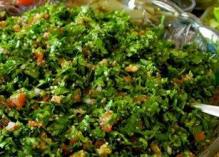
Tabbouleh Lunch: (click here for my recipe) and ½ baked acorn squash, steamed sweet potato with garlic powder and ½ tsp. grass-fed Ghee.

tabbouleh

Tempeh Sloppy Joes: Chopped grilled tempeh mixed with tomato paste, 1 tsp. olive oil, minced garlic (or garlic powder), diced bell pepper, chili powder and a dash of salt. Serve open-face on 1 slice GF bread, with steamed broccoli and beets or carrots. (courtesy of Jeanne Wallace, PhD, CNC)

 Low-carb Pasta Salad:  Use chickpea or lupin flour pasta; add your favorite lightly steamed chopped veggies… like zucchini, squash, red onion, mushrooms… and sliced basil leaves.

In a small pan, mix together ¼ c. tomato paste and ½ cup hot water for the sauce. Add 1 Tbs. organic olive oil, 1/4 tsp. oregano, some garlic powder, 1/8 tsp. black pepper, and a dash of sea salt. (You can make 2 cups and store the rest in the fridge for another meal.)

veggie burrito

 Veggie Wrap: Organic cooked brown rice, organic black beans, avocado, cucumber, broccoli sprouts, scallions, chopped cilantro and onions, wrapped in a sheet of Nori seaweed or whole-grain organic tortilla.  (courtesy of Jeanne Wallace, PhD, CNC)

Tempeh Fingers: Marinated strips of tempeh wrapped in steamed chard leaves, with a baked sweet potato or yam topped with a mixture of 1 Tbs. flax oil, 1 Tbs. nutritional yeast 1 Tbs. chopped chives or green onion and shredded almond cheese.

 Vegetable Curry: Curried veggies over 1/4 c. organic brown basmati rice or chickpeas boiled in green tea with a little cumin. Serve with a cucumber, fresh mint and tomato salad. You may add a Tablespoon or coconut yogurt.

curry

Vegetable Burrito: Mix roasted veggies with organic pinto or black beans, salsa and/or guacamole in a gluten-free tortilla.

Pacific Brand Organic Soup: In a pinch these can be used as a base (tomato, butternut squash, and mushroom varieties).  Add your favorite veggies, beans or whole grains.

Power Breakfast Ideas

During treatment, one of the last things you feel up to doing is thinking about what to eat. You already know it's critical that you alter your diet if you haven't yet, but to call upon mental resources to focus on cooking the right things is a challenge. I am blessed that many family members live within 1 - 10 miles of us, so three of my nieces took it upon themselves to rotate weeks and cook 2 main dishes for me (compliant with my diet), which they delivered the 3rd day after each Chemo treatment...when the side effects manifested! They made enough so that I got at least 4-5 meals out of each delivery.

Breakfast was easy once I got into the habit of shopping for the groceries I would need early in the week, (either my daughter or Jon would replenish fresh produce as we ran out), and developed a few routine favorites.

Lunch and snacks depended on what I had in the fridge or the pantry, so I was sure to stock healthy, easy to prepare foods...Sardines, organic beans, hi-fiber bread or RyeVita crackers, salsa, baby carrots, spinach, lemons (for squeezing in tea and on almost anything), almond butter, organic fruit spreads, coconut milk, homemade hummus, avocados and nuts. I'll post some ideas for these two meals soon.

Remember that you are eating to both support your immune system and to boost your energy during treatment. Spice up your food to instantly add antioxidants.

To help you develop the knack of easily creating healthy breakfasts, or for someone who may prepare them for you, I put together the Power Breakfast Guide below.  Be generous with the use of spices you like in any of these breakfasts.

~*~*~*~

Berry Oats: ¾ c. of organic oats, 1 cup blueberries, blackberries, raspberries or sliced strawberries, 1 Tbs. chopped almonds or pecans, 1 Tbs. freshly ground flax seeds, coconut or cashew milk, a sprinkle of nutritional yeast and cinnamon. Add cup of Matcha* or Sencha green tea (buy in bulk on Amazon).

*Matcha is premium green tea powder from Japan used for drinking as tea or as an ingredient in recipes. Matcha is rich in nutrients, antioxidants, fiber and chlorophyll. One glass of matcha is the equivalent of 10 glasses of green tea in terms of nutritional value and antioxidant content

Parfait: 6oz. of organic soy or coconut yogurt, 2 Tbs. fresh ground flax meal, and 1 cup organic berries (blueberries, cherries, raspberries, blackberries, mulberries..), a slice of gluten free hi-fiber toast with a tsp. of Coconut Oil, and a cup of matcha or sencha green tea.

Jeanne's Special: One or two boiled organic hi-omega-3 eggs with 1/2 cup steamed spinach, kale or swiss chard and 1/2 cup rosemary-baked sweet potatoes, cup of green tea.

Tasty Lebanese Eggs: Poach 1 or 2 organic hi-omega-3 eggs. Mix 2 Tbs. tomato paste, dash of salt, and 1 Tbs. hot water and stir.  Finely chop 1-2 fresh organic garlic cloves and lightly sauté in 2 tsp. ev olive oil on medium low heat, until pale golden. Add tomato paste and stir. Top poached eggs with tomato mixture and sprinkle with black pepper. Serve with 1 hi-fiber piece of toast, 1 c. fresh spinach or a handful of watercress and a cup of green tea.

Mediterranean: Whole grain toast topped with 1 tsp. flax or hemp oil, 1 clove garlic crushed with a dash of salt and 1 tsp. nutritional yeast, cucumber, basil and fresh tomato slices, and a cup of green tea with dash of black pepper.

Oats n Apples: 3/4 c. Organic steel-cut oats with grated red apple (with skin), 1 Tbs. chopped almonds or walnuts, 5 - 6 organic raisins, 1 Tbs. flax seeds freshly ground, cinnamon and coconut milk.  Remember your tea!

Miso-Veggie soup: (miso, spinach, bok choy, mushrooms, tamari, scallions), and 1 slice of whole-grain rye-flax toast with almond butter, cup of green tea with dash of black pepper.

Breakfast Burrito: Fill a whole wheat or gluten-free high-fiber tortilla with 1/2 cup black beans, chopped romaine lettuce, chopped green onion, avocado slices, salsa, grated home-made Almond cheese and a chopped boiled egg.

smoked_salmon

smoked_salmon

New Yorker: Hi-fiber Rye bread or mutli-grain topped with tofu sour cream, smoked salmon, red onion and organic lemon slices, and 1/2 cup steamed green beans. Don’t forget your green tea with dash of pepper!

Tofu scramble: cook silken tofu with grated carrots and zucchini, mushrooms, spinach, garlic and a dash of cumin, or do the same with scrambled hi omega-3 eggs, and 1 slice whole grain toast topped with "better butter" (mix equal parts organic grass-fed butter/flax oil).

CheeseyToast: Toast 2 slices hi-fiber Flax Seed bread (like Udi's) topped with sliced cassein-free Almond cheese, tomato slices and a sprinkle of organic thyme. Serve with 1/2 c. steamed Spinach drizzled with olive or flax oil and a dash of salt and cinnamon. Cup of Matcha tea.

~*~*~*~*

~ Be Well! ♥

What If? - Why Statistics Shouldn't Scare You!

One of the most routine pieces of information that the medical industry, for it is an industry, throws at us is a Statistic. Statistics are there to show you how likely you are to contract some disease, to have a boy or girl, to getting a divorce, or find a new job.  There seem to be so many studies that we now have a statistic for everything...including how many times you're likely to blink in a minute! How could we go on without that piece of data?

We have to be honest though; we like them. We quote them to others to deter them from some decision or action. If they favor us, we advertise them.

Statistical tables

Well, one thing I surely learned from taking Statistics in Grad School, is that if you manipulate data just right...you can come up with a number of statistics... and not all will agree.  In other words, much of data can be manipulated to show the statistic you are after.

And yet, without statistics we're loathe to trust information lest it merely be opinion.

Let's think about that for a minute.  I'm going to go out on a limb and ask... is there anything truly that is more than opinion?To be tagged a trusted statistic, the number must be based on factual data... that may or may not hold up in time.

How much time is long enough? 5 years worth of data? 20 years? Up until such time as new data is discovered?

Some of you are going to gasp in horror, shake your heads in dismay, and remind me about all the theories we accept as truth since they are based on scientific FACTS! You know the proven, repeatable, unbiased, honest-to-goodness, theories.

Bar Graph

Hmmm... can you think of something we believed to be true for decades that was later dis-proven?  I mean besides the Earth being flat, and that the Sun rotates around the Earth.

How about:

There are 109 Elements in the Period Table New information: Since 1994, six new elements have been discovered.

or:

The first mammals evolved about 155 million years ago. New information – “The shrew-like animal would have run under the feet of dinosaurs at the start of the Jurassic period, nearly 195 million years ago … Hadrocodium wui pushes back by another 40 million years its first appearance in the fossil record.”.

Here are a couple of sites just for fun...

1. Medical Facts that Have Been Proven to be Wrong

2. What Scientific Laws or theories have been proven wrong?

All this is to say that as we add new information to our data, our statistics or theories have to change.  With me so far?

Ok, here's the "WHAT IF"...

Let's go back to the Medical Industry... that slow to move, slow to assimilate new information, give me 3 - 10 years of similar data before I can make a decision, industry.

  1. Medical statistics in the West are based on Western Medicine's view of valid data.  Yes?

  2. In the U.S. and even more so abroad, many, many people incorporate "alternate"  methods into their every day or healing regimen. Yes?

  3. When a patient visits a traditional medical practitioner, their condition is assessed from a "symptom" and "data I learned about that symptom" perspective. Yes?

  4. A patient is hardly ever asked what their eating habits, supplementation, attitudes and belief's are as part of the standard, one size fits all data sheet they fill out.  Yes?

  5. A diagnosis is based on those symptoms (I am trying to distinguish these from causes of illness) and on scientific data, clinical that is.  Yes?

  6. You are then given a statistic if relevant to your situation, and with Cancer patients, boy are we happy to quote statistics.  Yes?

  7. You leave programmed with the belief that you will fall in one of those statistical groups, and left to wonder which it will be... because you really have no control over that...it will depend on how your 'disease' responds to treatment. Yes?

Here's my belief and something you should think about seriously

To make things simple I'm going to choose two people to illustrate my theory. We're going to name them B and K.

B and K have recently had mammograms that show a small mass in one of their breasts. B and K are informed they should have biopsies.

B is conservative, has not done a lot of thinking about health trends or a lot of research about cancer treatment approaches.  She is a believer in Traditional medicine and trusts that her Oncologist has all the answers.

B opts for a needle biopsy, since she is assured they are safe.

K is progressive, she is a hiker, has acupuncture for benign symptoms and  is very interested in nutrition and Eastern medicine. She immediately scours the Internet for the latest news in Breast Cancer research.

B doesn't want a needle biopsy.  She can't believe it's 100% safe, since in her mind there is no way that pulling a needle filled with cancer cells isn't going to leave a few of those microscopic cells along the needle path. She opts for a lumpectomy.
They have the same type of cancer, and their Oncologist suggests the traditional Chemo drugs for that type, followed by a course of radiation. The statistics are shared with each of them... since they were both caught early there is a 78% chance that nothing will develop, and a 22% chance of recurrence. Chemo adds another 5-6% benefit.

For our example, they both choose to have Chemo.

They both meet with the resident Nutritionist who tells them about foods and supplements to avoid during treatment, and how to modify their diet for cancer prevention.  He gives each a handout about Chemo side effects and some suggestions to alleviate them (most are drugs to take).

K leaves feeling down, a little overwhelmed by the information and the changes she has to make.  Her husband is supportive and upbeat, and her sister is distressed, a little worried about her own fate now. K's home is comfortable, clean and in a suburban neighborhood. K has two children, 14 and 16, and a small dog. Her brother has left her a message on her answering machine encouraging her to talk to a Doctor he trusts before making a decision.

B leaves feeling anxious to get home so she can initiate a search for a Complimentary Therapy practice.  Her boyfriend sends a few emails to solicit info from friends.  They live in a two-story condo and have custody of his 12-year-old son. The house is a little messy, but furnished tastefully.  Flowers stand in a vase in the living room, and a parakeet in a large cage near the patio door. Two of B's friends are waiting for her when she arrives...each has brought a gift from the Farmer's market.  They cook lunch together while she tells them what her approach is going to be.

K and B go through the same treatment cycle.

I m not sure...

K

takes the suggested meds for side effects.  Eats well and tries to be positive. Her husband goes to most of the sessions with her, alternating with her concerned sister.  K suffers from fatigue, has a rather emotional reaction to her hair loss, and is cautiously optimistic.  She walks for 20 minutes most days and tries to act brave in front of her sister so as not to worry her.  Her kids are taking things well and help around the house.

No one suggests she have alternate types of care during the course of her treatment. She's not sure she trusts acupuncture, when a friend mentions it.

B

finds and consults with a Nutritional Oncologist. She immediately starts on a long list of supplements each specifically targeted to either support her immune system, help the Chemo be more effective by unmasking cancer cells, or counteract the side effects. She continues acupuncture to move the toxins out as quickly as possible and alleviate nausea, and joins her two friends in a Yoga class twice a week.

Her boyfriend sets up a rotating meal prep schedule with some of their friends, so that for the 4 days after Chemo they don't have to worry about cooking.  They give each cook an approved ingredient list. He makes sure B has plenty of uplifting books to read, is ready with an amusing story when he gets home, and the three watch funny movies after dinner and homework are done.

Pretty woman

B meditates, is determined to move through this process and into a healthier body, and goes out with the girls to shop for a crazy wig when her hair falls out.

Outcomes

A year and a half later, K has a recurrence almost in the exact same spot as her previous tumor. She opts for a mastectomy and new course of treatment. She mostly sticks with her diet, and takes a few standard vitamins.

B on the other hand, is an active volunteer in the Cancer Wellness Community 3 days a week after work. She has completely changed her lifestyle and eating habits and continues with a maintenance Supplement regimen per her Nutritional Oncologist.  Her friends, inspired by her, have cut out some of the bad foods they used to indulge in. She has one more scan in 6 months and will proclaimed Cancer-Free.

And What do the Statistics Say?

K and B's Oncologist, ignorant of all the ingredients that went into each woman's healing process, chalks one person up as benefiting from the XYZ Chemo combination, and one woman needing a second round with XQW treatment, and per statistics not as good a prediction for long-term cancer-free survival.

Where are the Stats that take into account the needle biopsies vs. lumpectomy?

Where are the Stats that traces eating habits and the effect of well-studied supplementation?

And where are the Stats that show how one's attitude and faith skew the odds in one's favor?

Where are so many of the potentially high-impacting variables accounted for in the Medical Industry data?

No where.

And so from my heart I say:

  1. You are not a Statistic.

  2. You are in charge of your healing process.

  3. Educate yourself and be open-minded.

  4. Surround yourself with happy, positive people.

  5. Don't mess with the recommended Cancer Diet, it's Medicine!

  6. Cultivate an unshakeable faith in your ability to heal

  7. You are NOT your illness... it is passing.

  8. Laugh, laugh, laugh... It really IS the Best Medicine!

~ Be Well. ♥