Oatmeal Cranberry Cookie

oatmeal cran cookie

Oatmeal Cranberry Cookie

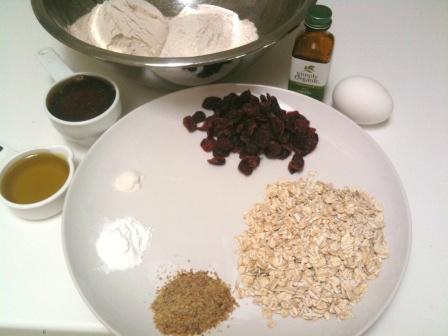
  • 1/2 c. Oat flour

  • 1/2 c. Barley Flour

  • 1/2 tsp. Psyllium Husk Powder

  • 1 tsp. Baking Powder

  • 1 Tbs. freshly ground Golden Flax Seeds

  • 1/4 c. Virgin Olive Oil

  • 1/2 c. Barley Malt Syrup *

  • 1 large Pasture-Raised Egg

  • 1 tsp. pure Vanilla Extract

  • Generous 1/2 c. organic Rolled Oats (not quick-cooking)

  • 1/2 c. dried Currants, Cranberries or Blueberries

Preheat oven to 350º F (175C).

oatmeal cran cookie

In a medium bowl, whisk together flours, Psyllium and baking powder; set aside.

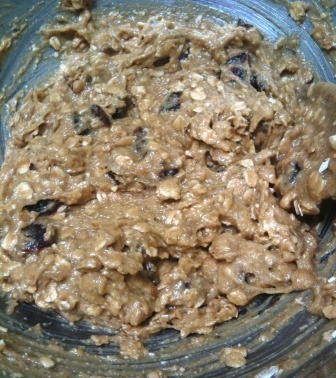
In a large bowl, whisk together oil, syrup, egg, and vanilla. Add to flour mixture, and stir to combine. Mix in oats and currants.

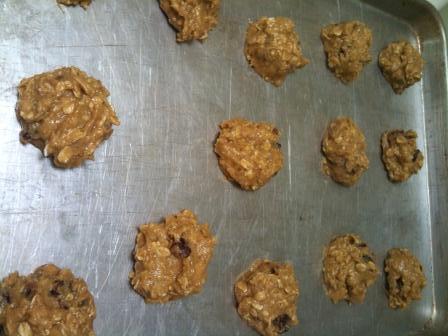
Using 2 tablespoons of dough per cookie, roll into balls or drop onto baking sheet lined with parchment (or lightly coated with Coconut Oil), about 1-1/2 inches apart.

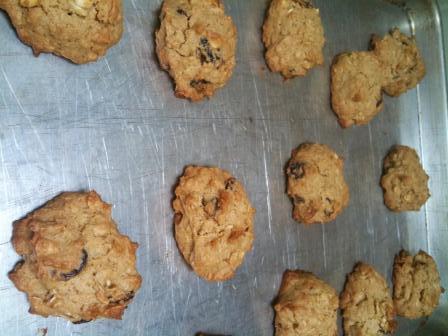
Bake until lightly browned, 15 to 17 minutes, rotating sheets halfway through.

Cool 5 minutes on sheets, then transfer cookies to a wire rack to cool completely. Store in an airtight container at room temperature, up to 3 days or refrigerate.

* Barley malt syrup is considered to be one of the healthiest sweeteners in the natural food industry. Made from soaked and sprouted barley, which is dried and cooked down to make a thick syrup, barley malt is a sweetener that’s slowly digested and gentler on blood sugar levels than other sweeteners.

~ Enjoy! ♥

Can Ancient Herbs Treat Cancer?

BreastDefend

One of the more expensive supplements I have been advised to take is called BreastDefend from EcoNugenics. It costs about $89 for a 2 month supply.(Trust me that's inexpensive compared to other supplements I take!)

Many of the ingredients in BreastDefend stand on their own and have been highlighted under the Super Supplements heading when you go to Complimentary Therapies on my main page, with the exception of the Scutellaria barbata herb, which is not available to the public as a single supplement.

Formula:

"Using eight clinically tested compounds, this synergistic formula is scientifically proven to promote cellular health, promote healthy hormone modulation, and support healthy immune function.*

The proprietary blend contains the antioxidative flavanoid quercetin, turmeric rhizome extract (BCM-95®; 95% curcumin), Astragalus membranaceus root extract, Scutellaria barbata herb extract, and an advanced formulation of DIM (3,3'- diindolylmethane). DIM, an ingredient found in broccoli, has been researched for its ability to promote cellular health, and support healthy estrogen metabolism. The formula is completed by the addition of three powerful, botanically enhanced medicinal mushrooms for immune support.*"

The only ingredient in this formula that is not available to the general public is the Scutellaria barbata herb extract which is also known as Ban Zhi Lian.

The Chinese herb Ban Zhi Lian may not be in everyone's lexicon, but to the 80 women with stage IV metastatic breast cancer, who are participating in the second phase of the BZL101 clinical trials, it represents hope and life.

According to  TimeHealth:

For Bionovo, the drug discovery and development company in Emeryville, Calif., that's behind BZL101, there's hope. The trial is the first FDA-validated clinical study of a potential cancer drug derived from a Chinese medicinal herb, says Dr. Mary Tagliaferri, a co-founder of the company, former practicing acupuncturist and a breast-cancer survivor. "Sixty-two percent of chemotherapy drugs come from natural products, and plants have been the basis of almost every new class of medication," she says. "It makes sense that these plants can act as anticancer agents."

Cohen's early observations about Ban Zhi Lian may have started out as a hunch, but they may hold up. In 1996, Cohen and Tagliaferri, along with Dr. Debu Tripathy, then a breast cancer specialist at the University of California, San Francisco, co-founded the Complementary and Alternative Medicine program at the university's Carol Franc Buck Breast Care Center. Over the next several years, the trio amassed enough evidence about the herb's anticancer properties — in lab tests of animals and breast-cancer cells, BZL101 caused apoptosis or cell death, according to Tagliaferri — to get a green light from the FDA to begin clinical trials."

Read the full article here:

http://www.time.com/time/health/article/0,8599,1671684,00.html#ixzz1uDqfXPfV

*These statements have not been evaluated by the Food and Drug Administration

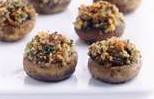
Cheesey Stuffed Mushrooms - Non Dairy

Tomorrow evening I am having a few people over to test their anti-oxidant levels with the amazing machine I spoke of in my post on April 27th. I'm so excited to have access to such a wonderful tool.  My teenage son agreed that most kids in his class would rate quite poorly, and he's anxious to see what his results will be. To supplement his diet, I started him on the Teen vitamins Pharmanex makes, and so in 4 weeks we'll do another reading to see if his levels rise. (It takes about 4 weeks for the change in your anti-oxidant levels to reach the skin, which is what the Biophotonic Scanner is measuring.)

I am going to try to get as many doctors in our area to incorporate this piece of data into their health evaluations!

Anyway, I want to make a little treat to serve tomorrow night and thought these quick and simple to put together appetizers would be fun.  (If you are someone who can eat dairy, then substitute goat cheese for the rice cheese.)

Makes about 24

mushrooms

  • Olive oil, for baking sheet

  • 3 slices whole wheat Sandwich Bread

  • 1 small Garlic clove, coarsely chopped

  • 6 oz grated Rice or Almond Cheese

  • 1/2 c. fresh organic Parsley leaves, chopped

  • 1/4 tsp. Red Pepper flakes

  • 1/4 tsp. Black Pepper

  • Coarse Sea salt

  • 2 packages (10 ounces ea) white button mushrooms, stems removed

Preheat oven to 400 degrees. Lightly oil a rimmed baking sheet.

In a food processor, pulse bread and garlic until fine crumbs form; set 1/2 cup aside. To food processor, add cheese, parsley, and red-pepper flakes. Season with salt, and pepper and pulse filling until combined.

Spoon filling into each mushroom, and roll filled side in reserved breadcrumbs. Place on prepared baking sheet; bake until mushrooms are tender and lightly browned, 15 to 20 minutes.

mushroom stuffed

Cheers! ♥

Foods with Vitamin E

Like many nutrients, instead of taking them in the form of a supplement, it's best to get our Vitamin E from foods.  This way we get all the other benefits that particular food has to offer, since happily Mother Nature loads each food with more than one beneficial ingredient! I thought this table might come in handy when you're shopping, or planning your meal to include Vitamin E.

Selected Food Sources of Vitamin E (Alpha-Tocopherol) mg per serving Percent DV*

 Wheat germ oil 1 Tbs.                20.31
Sunflower seeds- dry roasted 1 oz.

7.437

Almonds- dry roasted 1 oz.                6.834
Sunflower oil 1 Tbs.                5.628
Safflower oil 1 Tbs.                4.625
Hazelnuts - dry roasted 1 oz.                4.322
Peanut butter 2 Tbs.                2.915
Peanuts - dry roasted 1 oz.                2.211
corn oil 1 Tbs.                1.910
Olive oil 1 Tbs.                1.910
Spinach, boiled ½ c.                1.910
Broccoli, boiled chopped ½ c.                1.26
Soybean oil 1 Tbs.                1.16
Kiwifruit 1 medium                1.16
Mango -sliced ½ c.                0.74
Tomato - raw 1 medium                0.74
Spinach - raw 1 c.                0.63

Chia n Chocolate, Cha Cha Cha

I wanted to make a non-dairy pudding using Chia seeds, since they are just like tapioca once add to liquid.  I found a couple of recipes and tried one, but was not happy with the results. (Read about Chia Seeds here.) After an experiment or two I came up with an acceptable version!

Let me know how you find it!

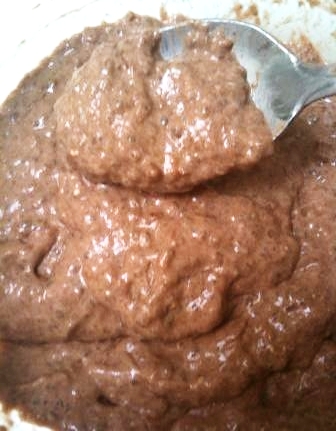
Chocolate Chia Seed Pudding

choco chia pudding2
choco chia pudding2
  • 1/4 cup Chia seeds
  • 1/4 c. organic Almond Milk
  • 3/4 c. Coconut Milk (canned)
  • 2 packets Stevia or 1 Tbs. Xylitol (to taste)
  • 1 small ripe Banana, mashed
  • 3 ounces 75% or more Dark Chocolate, melted
  • 2 Tbs. Cocoa powder
  • 1 tsp. pure Vanilla Extract (optional)

In a medium bowl, whisk Chia and almond milk, and let sit while you mix the rest of the ingredients.

Whip Coconut milk until thickened. Add sweetener and banana and mix well. Add melted chocolate, cocoa and vanilla and whisk to mix.  Add Chia mixture and whisk again to combine.

Cover and refrigerate for 2 hours or overnight.

choco-chia-pudding
choco-chia-pudding

Stir pudding, ladle into glasses and garnish.

~ Chia cheers! ♥

Broccoli - Throwing out the Baby with the Bath Water

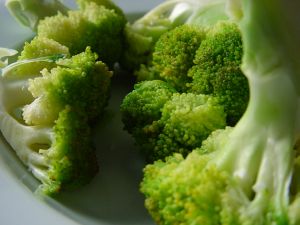
Broccoli, what a gift of a veggie. Its tightly packed florets are not only unique and pretty, they pack a healthy punch. The other night my boyfriend was in charge of preparing the Broccoli for steaming, and after separating the florets to my horror he was about to toss out the stems!  I must have shrieked, because he froze, holding the stalks in mid-air on his way to the garbage bin, not daring to do whatever it was that elicited that reaction.

Slowly his eyes met mine, and hoping to erase the look of horror on my face, tried to grin.

"You're NOT about to throw those out are you?" I asked.

"These?... Uh, no.. of course not." He slowly backed up to the cutting board.

"Good!' I went back to stirring the lentils.

From the corner of my eye, I watched as he placed them back on the board and twisted the knife around seemingly to slice the stems.

"You can peel them first, if you like," I hinted. "Bite size is good."

"Yeah," he looked relieved.

Stem Injustice!

I have often felt that we throw away much more than we should of the Veggies we prepare.  Stems seem to be thought of as unnecessary 'extras', when they are actually the conduit of foods to the parts we do eat... hence are likely to be filled with 'good stuff'.

I feel this way about greens, like Chard, Mustard Greens, Parsley, and Kale.  If the stem is woody, like Mint, then of course you wouldn't want to eat it.

Broccoli Benefits

On my list of the Anti-oxidant Capacity of Veggies, Fruit n' Spices, Broccoli was up there with about 1600 ORAC units per 1 cup serving.  (We're aiming for at least 6,500 units per day).

Broccoli  contains an anticancer phytochemical that increases the body’s ability to get rid of toxic substances linked to the development of cancer. It is also capable of inducing cancer cell death. A friend indeed!

This is a quick and tasty way to serve Broccoli:

Sesame Broccoli Recipe

  • 1 large organic Broccoli, broken into florets, stems peeled and chopped
  • Salt
  • 1/2 c toasted Sesame Seeds
  • 3 Tbs. Rice Vinegar
  • 1-1/2 Tbs. organic Tamari Sauce
  • 2 tsp. Sesame Oil
  • 1/2 tsp. grated fresh Ginger
  • 2 tsp. Stevia (or organic Honey)

Steam or cook Broccoli in salted boiling water until crisp-tender. Drain thoroughly and hold under running cold water for 30 seconds, then drain again.

Let cool to room temp.

Combine remaining ingredients in a large bowl. Shortly before serving, add broccoli and toss to mix well.

Good with Fish like Ginger Cod, and Brown Rice.

~ Sihk faahn!

Grilled Eggplant Panini

Eggplant is another one of those veggies that some people shy away from if they've had it undercooked.  'Curing' eggplant with salt before cooking leeches out some of the bitterness and the excess liquid. Grilled eggplant is delicious.

How to Cure Eggplant Before Cooking

stack

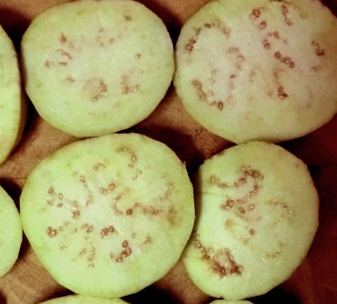
Peel the eggplant in alternating strips (zebra like) and  slice 1/4" thick.  Sprinkle with salt on all sides.  Place in a bowl lined with 2 - 3 thicknesses of unbleached paper towels, with more paper towels on top, and press with a heavy pot.

Wait 15 minutes.  Then wipe eggplant off with fresh paper towels, removing as much salt as possible.  Cut per recipe instructions.  Reduce Salt in recipe by 1/2, and then add more to taste if needed.

Panini

For a tasty take away lunch, this Panini is satisfying and can be made the night before (without toasting bread) and grilled the next morning.

2 Tbs. Vegenaise 2 Tbs. organic fresh Basil, finely chopped 2 Tbs. extra-virgin Olive Oil, divided 8 slices (1/2 inch size) Eggplant 1/2 tsp. Garlic Salt 1/4 tsp. ground Black Pepper 8 slices whole-grain Country Bread (e.g Trader Joe's Tuscan Whole Wheat Panini) 8 thin slices Rice cheese (fresh mozzarella for those who can have dairy) 1/2 c. sliced jarred Roasted Red Peppers 4 thin slices Red Onion

Preheat grill to medium-high.

Blend Vegenaise and basil in a blender. Using 1 tablespoon oil, lightly brush both sides of eggplant and sprinkle each slice with garlic salt and pepper.

With the remaining 1 Tbs. oil, brush one side of each slice of bread.

Grill the eggplant for 6 minutes, turn with a spatula, top with cheese, and continue grilling until the cheese is melted and the eggplant is tender, about 4 minutes more.

Toast the bread on the grill, 1-2 minutes per side.

To Assemble Panini

Spread 'basil mayonnaise' on half the slices of bread. Top with the cheesy eggplant, red peppers, onion and the remaining slices of bread. Cut in half and serve warm or room temperature.

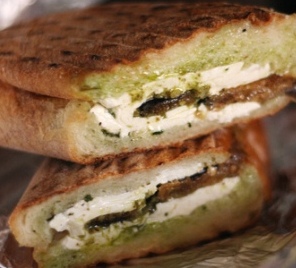
panini

  ~ Cheers! ♥

Eat Wild Thyme for a Wild Time!

Thyme, botanically known as Thymus vulgaris, is a perennial garden herb that has been employed since ancient times for medicinal and culinary uses.

thyme1

The World's Healthiest Foods

notes that thyme has traditionally been associated with courage, with medieval women giving sprigs of thyme to knights going into battle; it has also been used as an herbal remedy for a host of ailments (PMS, Indigestion, Coughs..). It is an excellent source of iron and manganese, a very good source of calcium and a food source of dietary fiber.Since the 16th century, thyme oil has been used for its antiseptic properties, both as mouthwash and a topical application. Thyme tea, rich in volatile oils, minerals, beneficial phenols and flavonoids, is a healthy beverage choice. One of the popular culinary herb plants, thyme is native to Southern Europe and Mediterranean regions.

For thousands of years, herbs and spices have been used to help preserve foods and protect them from microbial contamination. Research shows that both thyme and basil contain constituents that can both prevent contamination and decontaminate previously contaminated foods.

Thymol has been found to protect and significantly increase the percentage of healthy fats found in cell membranes and other cell structures. In particular, the amount of DHA (an omega-3 fatty acid) in brain, kidney, and heart cell membranes was increased after dietary supplementation with thyme.

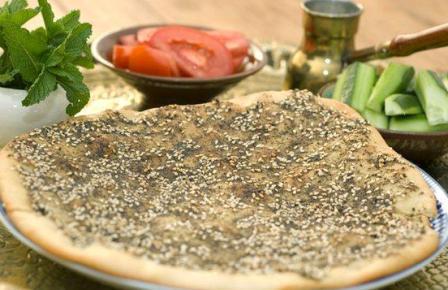
In Lebanon we use green and dried thyme extensively.  Dried thyme mixed with sumac, toasted sesame seeds and salt is called Zaatar. It is the main ingredient in the most traditional breakfast food, namely the Man'oushi...or Zaatar pie, which is sold in every bakery and many street vendor carts.

Man'oushi

(photo courtesy of Stephen Masry)

Culinary Tips

Green wild thyme makes a very healthy salad!  Serve it with grilled meats and fish, or accompanied by Feta cheese and tomatoes for breakfast.  I like to use it in place of Oregano in some pasta dishes.  Dry Zaatar is delicious sprinkled on yogurt, hummus and plain omelets.

You can find Zaatar at most Middle Eastern markets. Make sure you choose Jordanian or Lebanese Zaatar.  There are some inferior products out there.

Zaatar

For each 1 cup of store bought Zaatar (Middle Eastern Thyme mix) you will need:

  • 1 Tbs. dried Sumac (available at Middle Eastern markets in packets or jars) 1/2 tsp. of salt

  • 1 tsp. toasted Sesame Seeds (even if there are some in the mix)

Mix all together and store in airtight jars in the refrigerator for 6 months, or freeze for up to 2 years.

zaatar, green

Green Wild Thyme Salad

  • 1 bunch of green Wild Thyme, rinsed and leaves picked off stems

  • 1 very small Onion (yellow or white), finely chopped

  • 1/3 c. finely chopped organic Green Onion

  • Juice from 1 freshly squeezed Lemon

  • 1 Tbs. extra virgin Olive Oil

  • 1/4 tsp. Sea Salt (opt.)

Mix all together in non-metal bowl.  Serve at room temperature for best flavor.

~ Sahtein! (double health)  ♥

Things You Didn't Know about Melatonin, but Should!

I was surprised when 4 of the 5 nationally recognized CAM specialists I consulted with asked me to take high doses of Melatonin (15 - 18 mg) as part of my supplement regimen. You have to build the dose gradually, starting with 2 mg /night. I didn't have problems with sleep then, but was educated as to why this was an important addition for cancer prevention.  There is little reason not to add Melatonin to your diet.  It has been shown to be safe up to those levels.  The only caution is if you are also taking sedative medications like clonazepam (Klonopin), lorazepam (Ativan), phenobarbital (Donnatal), zolpidem (Ambien). For other mild drug interactions, click here.

What is Melatonin?

The hormone melatonin, is found in a great variety of organisms.  Melatonin is produced in humans by the pineal gland.  The plant derived form, phytomelatonin, is sold as a dietary supplement in the United States and is used by some CAM practitioners in the treatment of cancer patients.

Long known for its ability to regulate the body`s natural circadian rhythms, melatonin is rapidly emerging as a powerful agent in the fight against brain aging and neurologic deterioration. Melatonin effectively protects both lipids and proteins from free radical damage as it easily crosses the blood-brain barrier. The production of melatonin decreases with age and oxidation slowly diminishes the normal electrical communication patterns seen in a healthy brain.

The result of a study published in the Behavioral and Brain Functionsjournal found that patients suffering from neurologic disorders such as Parkinson`s and Alzheimer`s disease were deficient in circulating levels of melatonin.

sleep

What does it Do?

Circadian organization of the host-cancer balance is important to cancer prevention, screening, diagnosis, and treatment.

Both melatonin and chronotherapy have been studied for many years but, despite largely positive findings, have not been brought into mainstream cancer therapy.

All living organisms are organized in biological time, and melatonin, a hormone secreted mainly by the pineal gland, is an important part of this scheme. In the human light-dark cycle, melatonin peaks every 24 hours, between 2 a.m. and 3 a.m.

The light-dark cycle helps synchronize the activity of the central biological clock. It is also a new member of an expanding group of regulatory factors that control cell  proliferation and loss, and is the only known chronobiotic hormonal regulator of neoplastic cell growth (a cell that is part of tumor).

At physiological concentrations, melatonin suppresses cell growth and multiplication and inhibits cancer cell proliferation in vitro through specific cell-cycle effects. At pharmacological concentrations, melatonin suppresses cancer cell growth and multiplication.

Unique Property of this Antioxidant

The Blood-Brain Barrier is a mechanism that controls the passage of substances from the blood into the cerobrospinal fluid and thus into the brain and spinal cord. The blood-brain barrier (BBB) lets essential metabolites, such as oxygen and glucose, pass from the blood to the brain and central nervous system (CNS) but blocks most molecules that are more massive than about 500 daltons. This means that everything from hormones and neurotransmitters to viruses and bacteria are refused access to the brain by the BBB. It also means that many drugs, which would otherwise be capable of treating disorders of the CNS, are denied access to the very regions where they would be affective.

Key functions of the BBB are:

  • Protecting the brain from "foreign substances" (such as viruses and bacteria) in the blood that could injure the brain

  • Shielding the brain from hormones and neurotransmitters in the rest of the body

  • Maintaining a constant environment (homeostasis) for the brain

Melatonin is anantioxidantthat can easily cross cell membranes and the blood–brain barrier.reference

Melatonin is a direct scavenger of OH, O2−, and NO.[5] Unlike other antioxidants, melatonin does not undergo redox cycling, the ability of a molecule to undergo reduction and oxidation repeatedly. Redox cycling may allow other antioxidants (such as vitamin C) to act as pro-oxidants, counterintuitively promoting free radical formation. Melatonin, on the other hand, once oxidized, cannot be reduced to its former state because it forms several stable end-products upon reacting with free radicals. Therefore, it has been referred to as a terminal (or suicidal) antioxidant.

Melatonin Shown to Lower Cancer Risk by 34%

Melatonin has been shown to be effective in the fight against many cancer lines including those affecting the liver, breast, prostate, lung and brain. Melatonin is a powerful and versatile antioxidant that is naturally secreted by the pineal gland at night during total darkness. The natural nutrient can scavenge the most dangerous free radicals that are known to result in genetic deletions that dramatically increase the risk of many cancers.

The result of a meta-analysis of ten studies released in the Journal of Pineal Research demonstrated that melatonin is able to lower the risk of many cancer lines by up to 34%. Researchers found that this protection resulted across all dosage ranges and there were no adverse effects reported. The lead author concluded, "The substantial reduction in risk of death, low adverse events reported and low costs related to this intervention suggest great potential for melatonin in treating cancer."

Read more 

here.

Research

Researchers at Harvard evaluated 147 people with invasive breast cancer and 291 without cancer as part of the Nurses Health Study. They took a morning urine sample and measured melatonin levels via a melatonin by-product called 6-sulphatoxymelatonin. The researchers found women with the highest melatonin had the lowest risk of cancer.

Spanish researchers evaluated melatonin supplements as a treatment for rats with advanced and untreated breast tumors. Melatonin given daily significantly increased survival in animals. The researchers concluded that the results strongly suggest that melatonin is beneficial during advanced breast cancer, because it increases survival time.

Additional Reading:

  1. Mills E, Wu P, Seely D, Guyatt G. Melatonin in the treatment of cancer: a systematic review of randomized controlled trials and meta-analysis. J Pineal Res. 2005 Nov:39(4):360-6.

  2. Saez MC, Barriga C, Garcia JJ, Rodriguez AB, Masot J, Duran E, Ortega E. Melatonin increases the survival time of animals with untreated mammary tumours: Neuroendocrine stabilization. Mol Cell Biochem. 2005:278(1-2):15-20.

  3. Markesbery W: Oxidative stress hypothesis in Alzheimer's disease. Free Radic Biol Med 1997, 23:134-147. PubMed Abstract.

  4. Reiter RJ: Oxidative damage in the central nervous system: protection by melatonin. Prog Neurobiol 1998, 56:359-384. PubMed Abstract

  5. Poeggeler B, Saarela S, Reiter RJ, Tan DX, Chen LD, Manchester LC, Barlow-Walden LR (November 1994). "Melatonin--a highly potent endogenous radical scavenger and electron donor: new aspects of the oxidation chemistry of this indole accessed in vitro". Ann. N. Y. Acad. Sci.738: 419–20. DOI:10.1111/j.1749-6632.1994.tb21831.x. PMID7832450.

Wake Up Call - Pesticides, Natural Chemicals and Our Health

When I read information like the following Abstract, I'm stunned that we wait for someone to "prove" what we have enough evidence to "suspect" is the cause of illness.  We wait until it's too late to do anything about it...instead of immediately thinking, "My life is too precious. If there is a 'possible link I am not going to take a chance.  I can live without xxxx in my life."

Pesticides and cancer: Dich J, Zahm SH, Hanberg A, Adami HO.

Abstract

"Epidemiologic evidence on the relationship between chemical pesticides and cancer is reviewed.

In animal studies, many pesticides are carcinogenic, (e.g., organochlorines, creosote, and sulfallate) while others (notably, the organochlorines DDT, chlordane, and lindane) are tumor promoters. Some contaminants in commercial pesticide formulations also may pose a carcinogenic risk.

In humans, arsenic compounds and insecticides used occupationally have been classified as carcinogens by the International Agency for Research on Cancer. Human data, however, are limited by the small number of studies that evaluate individual pesticides.

Epidemiologic studies, although sometimes contradictory, have linked phenoxy acid herbicides or contaminants in them with soft tissue sarcoma (STS) and malignant lymphoma; organochlorine insecticides are linked with STS, non-Hodgkin's lymphoma (NHL), leukemia, and, less consistently, with cancers of the lung and breast; organophosphorous compounds (About 70% of the insecticides in current use in the United States are organophosphorous (OP) pesticides, a total of around 90 million pounds per year) are linked with NHL and leukemia; and triazine herbicides with ovarian cancer.

Few, if any, of these associations can be considered established and causal. Hence, further epidemiologic studies are needed with detailed exposure assessment for individual pesticides, taking into consideration work practices, use of protective equipment, and other measures to reduce risk. "

SourceDepartment of Cancer Epidemiology, Karolinska Institute and Radiumhemmet, Karolinska University Hospital, Stockholm, Sweden.

_ _ _

And here is a summary from the EPA's website:

Pesticides and Food: Health Problems Pesticides May Pose

Laboratory studies show that pesticides can cause health problems, such as birth defects, nerve damage, cancer, and other effects that might occur over a long period of time.  However, these effects depend on how toxic the pesticide is and how much of it is consumed. Some pesticides also pose unique health risks to children.

For these reasons, the Federal Government, in cooperation with the States, carefully regulates pesticides to ensure that their use does not pose unreasonable risks to human health or the environment. "

What is "unreasonable risk"?  Is there such a thing as "reasonable risk" when it comes to our health?  Who decides?  People you know nothing about....or YOU?

YOU are in Charge of Your Health and the Health of Your Children

Were bombarded with pollutants from vehicle emissions, manufacturing plants, dry cleaner chemicals,  lawn mowers, those darn awful leaf blowers that make me cookoo, and pesticides sprayed everywhere.  It's a miracle our liver functions at all.  Then add pharmaceuticals, artificial coloring, sugar, lotions with Parabens and EDTA, and deodorants with things we can't spell much less pronounce, and no wonder we're walking hot beds for the development of Alzheimer's, Cancer and a host of other ailments.

Get in the driver's seat You are wise.  Don't wait 10 years until the FDA or the EPA has enough 'clinical' data.  By then you could be one of the subjects they're studying, God forbid!

I have thrown away my Teflon pans, I don't let plastic wrap touch my food (I place a small square of parchment paper or was paper on the food before I wrap it), I never put Aluminum Foil against any sauces or acidic foods (you know the acid eats right through the foil...yes?), and I told my gardener not to use pesticides on any weeds, and to hand rake my leaves.

Love your life and your children's lives enough to sacrifice convenience for caution. It's a different world...we have to think defensively. Some things we can do little about, like air pollution, so do what you can with things you have control over.

~ In Good Health.

Rigatoni and Veggies

Dinner in a Flash

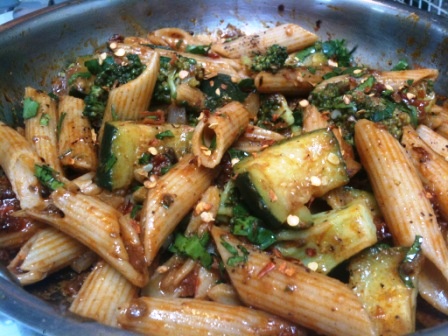
I had some left over Pasta noodles, zucchini and broccoli. I decided to toss them all together with a spicy sauce rich in antioxidants... due to the Garlic and Tomatoes (Lycopenes)... for a healthy and quick dinner.

Use any combination of veggies you have on hand.

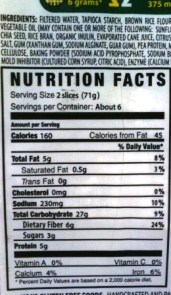
  • 2 c. whole wheat Rigatoni, cooked per directions (I use Fiber Gourmet brand, or Al Dente Carba) Substitute Brown Rice pasta for Wheat-Free version.
  • 1/2. sun-dried Tomatoes in oil, chopped up in blender
  • 1/4 c. hot Water
  • 1/2 c. each lightly steamed Zucchini and Broccoli, bite size pieces
  • 2 cloves organic Garlic, minced
  • 1/4 tsp. Sea Salt
  • 1/4 tsp. Black Pepper
  • 1/4 tsp. Oregano
  • 1/4 tsp. Red Chili Flakes (opt.)
  • 1/4 c. organic flat leaf Parsley, chopped

Place pasta, tomatoes and water in a pan over medium heat. Stir.

Add veggies, garlic and spices. Cover and simmer over low heat until warm...about 10 minutes.  Add parsley.

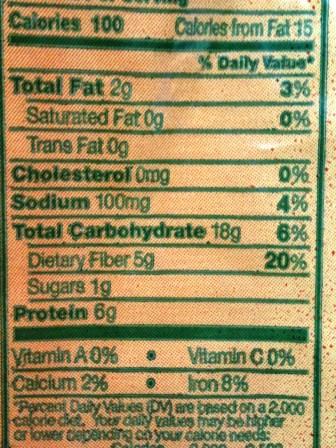
Serve with a small slice of Whole Grain bread (Udi't Millet or TJ's Flaxseed) sprinkled with virgin Olive Oil and organic Garlic Powder.

The two Breads mentioned above meet our Formula for 'Healthy Carbs'.   ~ Buon Apetito!

To Fish or Not to Fish...

What's for Lunch?

salmon salad lunch

salmon salad lunch

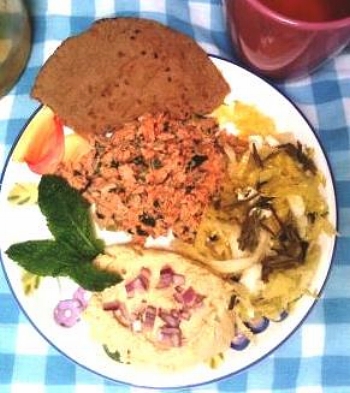
As a Lebanese, homemade Hummus is always at the ready.

Salmon is a favorite, and I am sure to have cans of Alaskan Wild Caught Salmon in my pantry for the time I am out of the fresh version.  So I here is my Salmon Salad to compliment today’s Hummus and steamed cabbage.

Hoda's Salmon Salad

Salmon Salad

Salmon Salad

  • 2 cans wild caught Pink Salmon

  • 2 organic Celery stalks, chopped fine

  • 3 organic Green Onions, chopped fine

  • 1/4 c. organic flat leaf Parsley, chopped fine

  • 2-3 Tbs. Vegenaise

  • 1-1/2 tsp. Spicy Brown Mustard or Dijon

  • 2 tsp. Lemon Juice

  • 1/4 tsp. Black Pepper

Flake the Salmon, and add rest of ingredients. Combine well in a medium bowl.

Serve over whole grain wheat-free toast or in a lettuce leaf, alongside avocado slices sprinkled with lemon juice.

~ Bon Apetit! ♥

Chemotherapy

Chemotherapy can destroy cancer cells by impeding their growth and reproduction. Though chemotherapy is an effective way to treat many types of cancer, chemotherapy treatment also carries a risk of side effects. Some chemotherapy side effects are mild and treatable, while others can cause serious complications.

The drugs used are made to destroy fast-reproducing cells. However, some healthy cells also grow quickly and cancer treatments destroy these cells as well.

The fast-growing, normal cells most likely to be affected by certain treatment drugs are blood-forming cells in the bone marrow, as well as cells in the digestive track, reproductive system, and hair follicles. Thankfully, most normal cells recover quickly when treatment is over. But it is important to protect your gut lining during treatment.

It is recommended that you take a large thermos of ice chips to your chemo sessions, and plenty of water. Add ice to the cups of water and sip during the whole session. this slows down the activity of your gut lining so the chemo will not damage your ability to absorb nutrition.

During the course of your cancer journey, you may experience many, a few, or no side effects. There are several tested safe supplements that can prevent some side effects and also imcrease the efficacy of the chemo drugs. Contact me for more information.

Some newer anti-cancer treatments — such as Herceptin for breast cancer — may cause heart damage as well, although the effect is often temporary and reversible.

If your doctor is considering using a chemotherapy drug that may affect your heart, you may undergo heart function testing before and during treatment. Be sure to ask questions if you have any misgivings.

Chemotherapy drugs that may cause nausea and vomiting

Certain chemotherapy drugs are more likely than are others to cause nausea and vomiting. Some medications associated with significant risk of these side effects include:

  • Altretamine (Hexalen)

  • Busulfan (Busulfex, Myleran)

  • Carmustine (Bicnu)

  • Cisplatin (Platinol)

  • Cyclophosphamide (Cytoxan)

  • Dacarbazine

  • Doxorubicin (Adriamycin)

  • Epirubicin (Ellence)

  • Estramustine (Emcyt)

  • Etoposide

  • Ifosfamide (Ifex)

  • Lomustine (Ceenu)

  • Mechlorethamine (Mustargen)

  • Procarbazine (Matulane)

  • Streptozocin (Zanosar)

  • Temozolomide (Temodar)

You will most likely be given a prescription medication to help with these side effects.  There are also nutritional foods and supplements that can help.  Acupuncture has been known to reduce the occurrence of nausea and vomiting, and is a wonderful complimentary therapy.

Hair  Loss

Chemotherapy may cause hair loss all over your body — not just on your scalp. Sometimes your eyelash, eyebrow, armpit, pubic and other body hair also falls out. Some chemotherapy drugs are more likely than others to cause hair loss, and different doses can cause anything from a mere thinning to complete baldness. Talk to your doctor or nurse about the medication you'll be taking.

I found that a wig helped me through this phase, and I bought eyebrow tattoos online that worked well.  A light eyeliner helped me feel better about losing my eyelashes.  Three weeks after the end of Chemo, my hair began to grow back.

'Chemo Brain'

Chemo brain is a common term used by cancer survivors to describe thinking and memory problems that can occur after cancer treatment. Chemo brain can also be called chemo fog, cognitive changes or cognitive dysfunction.

Signs and symptoms of chemo brain may include:

  • Being unusually disorganized

  • Confusion

  • Difficulty concentrating

  • Difficulty finding the right word

  • Difficulty learning new skills

  • Difficulty multitasking

  • Fatigue

  • Feeling of mental fogginess

  • Short attention span

  • Short-term memory problems

  • Taking longer than usual to complete routine tasks

  • Trouble with verbal memory, such as remembering a conversation

  • Trouble with visual memory, such as recalling an image or list of words

Signs and symptoms of cognitive or memory problems vary from person to person and are typically temporary, often subsiding within two years of completion of cancer treatment.

Again, there are many nutritional supplements and foods that can help you with Chemo Brain.  See my post on Managing Side Effects.

Books:

  1. Questioning Chemotherapy (1996) Equinox Press. ISBN 978-1881025252

  2. Integrative Strategies for Cancer Patients: A Practical Resource for Managing the Side Effects of Cancer Therapy;  Elena J. Ladas , Kara M. Kelly 

  3. Living well with cancer: a nurse tells you everything you need to know about managing the side effects of your treatment; by Katen Moore, Libby Schmais

Make it Colorful!

Breakfast Buzz

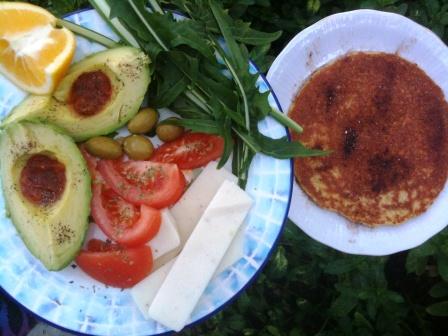
The best possible plate of food is a ColorFULL one.  The more the colors (and I don't mean food coloring sneaky peak) the better for you.

I posted a Breakfast Idea that included vegetables a few days ago, and mentioned that in Mediterranean countries the lack of fresh veggies at the table is unheard of.  Tomatoes, cucumber, fresh mint, parsley, olives, radish, and yes, even pickles are a common feature.

Since I am off dairy completely(with the exception of Whey Protein which has anti-tumor benefit), I eat Rice or Almond Cheese.

To the right is the yummy and healthy Flour-less Flaxseed Pancake!  I sprinkled mine with cinnamon (anti-oxidant power) and Stevia.

My big bunch of Dandelion greens called me this morning, and they are so good wrapped around an Olive and stuffed in a pita bite that I happily included them on my plate.

Fresh Tomatoes sprinkled with dried mint (I make my own), and half an Avocado with salsa and lemon juice (more anti-oxidant power).

Here's a tip..

Bright and vividly colored vegetables—such as the ones used in salads and salsas—are rich in carotenoids, powerful plant pigments that reduce your risk of cancer, heart disease, and cataracts. But here's a little-known secret: To fully benefit from these disease-fighting compounds, you need to eat them with fat. In fact, Ohio State University researchers found that people who ate a salad topped with half an avocado absorbed five to 10 times more beta-carotene and lutein—carotenoids found in carrots and spinach, respectively—than those who had salads sans the fatty fruit. And eating avocado with salsa boosted the absorption of lycopene—a carotenoid in tomatoes—by almost five times.

"Fatty acids are needed to help carotenoids dissolve in the intestines," says lead study author Steve Schwartz, Ph.D. "These lipids are also an essential part of creating lipoproteins, which transport the carotenoids in the bloodstream."

~ Ye-haw!

Lentil Soup with Chard

Shawrabit Adas bi Hamud  = literally, Lentil Soup with Lemon

This is the traditional Lebanese name for this soup, which is a popular winter meal in the mountain villages.

It's fragrant and hearty, and sure to warm you from the inside out.  The following recipe is based on my Mom's version, adjusted to lower the fat content! :)

 Lebanese Lentil Soup with Chard

  • 1½ c. organic Brown Lentils
  • 2 c. hot Water or brewed Green Tea
  • ½ tsp. Sea Salt
  • 2 c. organic Swiss Chard, sliced into thin strips
  • ¼ tsp. Sea Salt
  • ¼ c. organic Cilantro, chopped
  • 2 Garlic cloves
  • 2 Tbs. Avocado Oil
  • 1 c. Yellow Onion, diced
  • 2 Tbs. organic Lemon Juice

Rinse chard and slice, discarding lower half of stem.

Place sorted lentils in a pot and cover with water.  Add the 1/2 tsp. salt, cover and bring to a boil. Reduce heat to med-low and simmer for 20 minutes.

Mash cilantro, garlic and 1/4 tsp. salt in mortar and pestle until a smooth paste.

Place oil in saute pan over medium heat for 1 minute. Add onions and saute until translucent. Add cilantro-garlic paste and Swiss Chard. Stir until wilted. Remove from heat.

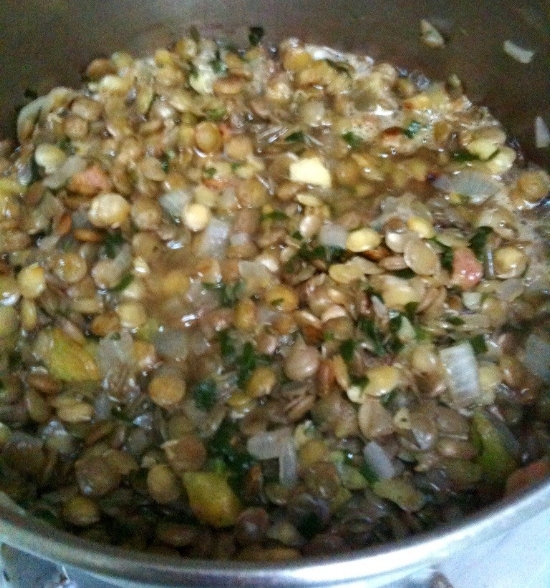
When lentils are tender, add the Chard mixture and the lemon juice. Bring to a boil, then reduce heat and cook, covered, for 10 minutes.lentils_Indian style

Adjust seasoning to taste. Allow to cool for 20 minutes.

Serve warm with toasted whole wheat pita bread or whole grain toast.

~ Sahtein!


Are You a Bean? or ... the Lentil Love Affair

Da Facts

The lentil (Lens ensculenta) is a legume that grows in pods containing one or two lentil seeds.  They are believed to have originated in central Asia.

Lentils have been eaten by humans since Neolithic times and were one of the first domesticated crops.  In the Middle East, lentil seeds have been found dating back more than 8000 years.

In the Old Testament, Esau gives up his birthright to Jacob in exchange for a bowl of lentil soup. The Greek playwright Aristophanes called lentil soup the "sweetest of delicacies." Lentils have been found in Egyptian tombs dating as far back as 2400 BC.

In India, the lentil is known as dal or daal. For many centuries, lentils were considered to be "the poor man's meat." In Catholic countries, those who couldn't afford fish would eat lentils during Lent instead.

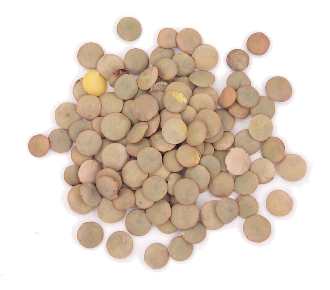
There are many varieties and colors of lentils, including brown, yellow, black, orange, red and green.  Beluga lentils are black and one of the smallest varieties of lentils, having an appearance similar to caviar.
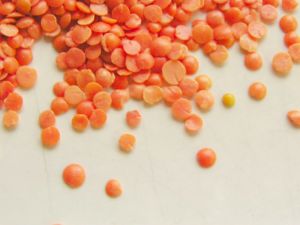
French green lentils are small, delicate, and flavorful and hold their shape after cooking better than many other types of lentil. The most common lentils used in the United States are green and brown, since these varieties are best at retaining their shape after cooking.

The optical lens is named after the Latin word for lentil, lens. Unlike most other beans, lentils don't need to be soaked before cooking.

More Facts

With about 30% of their calories from protein, lentils have the third-highest level of protein, by weight, of any legume or nut, after soybeans and hemp. Proteins include the essential amino acids isoleucine and lysine , and lentils are an essential source of inexpensive protein in many parts of the world which have large vegetarian populations.

Lentils are deficient in two essential amino acids, methionine and cysteine. However, sprouted lentils contain sufficient levels of all essential amino acids, including methionine and cysteine.

Lentils also contain dietary fiber, folate, vitamin B1, and minerals. Red (or pink) lentils contain a lower concentration of fiber than green lentils (11% rather than 31%). Health magazine has selected lentils as one of the five healthiest foods. Lentils are often mixed with grains, such as rice, which results in a complete protein dish.

   References:

Randy Sell. "Lentil". North Dakota State University Department of Agricultural Economics. Archived from the original on 2009-06-21. Retrieved 2011-12-14.

Raymond, Joan (March 2006). "World's Healthiest Foods: Lentils (India)". Health Magazine.

Da Story

As a child and up to now, lentils have been one of my favorite beany legumes! There are two traditional Lebanese lentil dishes that Mom made quite often, and that I devoured... 1) Mjaddara : a lentil and rice mash that is better than chocolate fudge; and 2) Shawrabit Adas: 'Lentil Soup' with Swiss Chard and Cumin.

Both dishes were on the Top of my Comfort Foods list.  On wintry days when I visited my Uncle Yusef's house where Tehta (Grandma) lived, we'd huddle around their kerosene stove in the 'winter room', sitting on long cushions that bordered the wall, and eat bowls of Mjaddara with pita bread, pickles and shredded cabbage salad. My 3 cousins and I would listen to the adult conversations, poking fun at whoever was featured in each story, or play silly word games.

Lentils are versatile.  You can add them to salads, to chilies, and soups.

Click on the Recipe Names to go to the recipes.

~ Sahtein!