Barley, Veggie Stew - Nutrient Packed!

A powerhouse of healthy foods! This is an excellent immune boosting dish. Make enough to last a few days. You can alternate the protein to break the monotony, or sprinkle a new spice on top each time you have some... cinnamon, thyme..etc.

This is a satisfying meal, good on cool evenings. Serve with a salad and 4 oz. cold water fish.

  • 2 tsp. Virgin Olive Oil
  • 1 1/2 c. diced organic Onionscooking fresh vegestables
  • 1 1/2 c. diced organic Carrots
  • 1 1/2 c. diced Celery
  • 3 small cloves Garlic, minced
  • 1/2 lb. of assorted organic Mushrooms, cleaned and sliced
  • 2/3 c. of Pearl Barley, rinsed
  • 4 c. organic Veggie Broth
  • 1 Bay Leaf
  • 1/2 tsp. Sea Salt
  • 1/8 tsp. ground Black Pepper
  • 4 shakes of Cayenne Pepper (to taste)
  • 2 organic Bell Peppers, 1 Red, 1 Green, diced
  • 3 Tbs. of fresh organic Parsley, chopped

On medium-low heat, sauté the onion, carrots and celery in 2 teaspoons of olive oil for 4 minutes.

Add the garlic, stir for a minute and then the mushrooms. Cook until they soften, about 5 to 8 minutes.

Add the barley, veggie broth, bay leaf, salt, black pepper and cayenne (NOT the peppers) and bring to a boil. Lower the heat, cover and cook for 35 minutes.

Add the peppers and cook an additional 15 to 20 minutes or until the barley is tender and much of the broth is absorbed.

Remove the bay leaf and garnish each bowl with ½ Tbs. of parsley.

Enjoy!

Artichoke - The Secret Warrior!

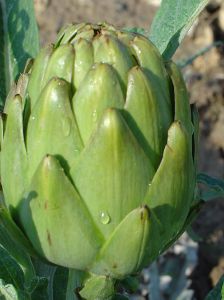
Native to the Mediterranean region, the artichoke is the edible flower bud of a thistle-like plant in the sunflower family. While its thorny leaves may deter us from approaching it; a treasure lies at its heart.

Although artichokes have been eaten for more than 3000 years. California produces 100 percent of the U.S. commercial artichoke crop, rivaled in popularity only in France and Italy.

Artichokes are a good dietary source of phosphorus, magnesium, iron, niacin, vitamin B1 and vitamin B2, and includes some folate, manganese, and zinc. Artichokes have been shown to have antioxidant, anti-fungal, anti-genotoxic, liver-protective and hypoglycemic activities, as well as reducing cholesterol and ameliorating indigestion and irritable bowel syndrome.

There are over 200 scientific articles on artichoke or one of its phytochemical. Researchers at the University of Georg-August in Germany showed that one of its phytochemical interfered with estrogen receptor which promoted the secretion of PSA in prostate cancer. Furthermore, this functional food possesses the ability to inhibit the angiogenesis related to cancer. Other studies demonstrated anti-proliferation and apoptotic proprieties and also inhibit inflammation.

In 2008, scientists from Rome showed that the edible parts of the artichoke had a “marked antioxidative potential” that protects normal liver cells from oxidative stress. It also reduced the viability of cancer cells and led to their programmed cell death, or apoptosis.  (Miccadei S, Di Venere D, Cardinali A, et al. Antioxidative and apoptotic properties of polyphenolic extracts from edible part of artichoke (Cynara scolymus L) on cultured rat hepatocytes and on human hepatoma cells. Nutr Cancer. 2008;60:276-283)

Artichoke extract has been shown to inhibit proliferation and induce apoptosis in triple negative breast cancer cells in the laboratory. Flavone components of artichoke (apigenin and luteolin) have been shown to induce apoptosis across a variety of breast cancer cell lines.

So, artichoke seems like a healthy veggie choice!

You can simply steam or add artichokes to stews, but for those who can't do that every day and want a more consistent ingestion, there are supplements made from concentrated leaf extract. They are not expensive: on the Internet they sell for 5 to 10 cents per capsule.

A standard dose has not been established, but in studies on indigestion patients have taken one to two 320 mg capsules three times per day, preferably with meals.

Resources:

1. Nutr Cancer. 2008;60(2):276-83. Antioxidative and apoptotic properties of polyphenolic extracts from edible part of artichoke (Cynara scolymus L.) on cultured rat hepatocytes and on human hepatoma cells. Miccadei S, Di Venere D, Cardinali A, Romano F, Durazzo A, Foddai MS, Fraioli R, Mobarhan S, Maiani G. 2. Phytother Res. 2008 Feb;22(2):165-8. Growth inhibitory effect of ethyl acetate-soluble fraction of Cynara cardunculus L. in leukemia cells involves cell cycle arrest, cytochrome c release and activation of caspases. Nadova S, Miadokova E, Mucaji P, Grancai D, Cipak L.

~ Be Well.

Dark Green Leafy Vegetables (Organic)

Mom said 'Eat Your Veggies'..and we pouted. But Mom was wiser than we ever suspected!

Spinach, kale, romaine lettuce, leaf lettuce, mustard greens, collard greens, chicory, dandelion and Swiss chard are excellent sources of fiber, folate and a wide range of and flavonoids.

kale

Carotenoids are a group of phytonutrients that lend the red, orange and yellow hues to fruits and vegetables...beta-carotene, lycopene, lutein, etc..  Carotenoids are present in all living organisms, but humans are not able to make them and must get them from food.

Carotenoids seem to prevent cancer by acting as antioxidants. Some laboratory research has found that the carotenoids in dark green leafy vegetables can inhibit the growth of certain types of breast cancer cells, skin cancer cells, lung cancer and stomach cancer.

lettuces

The Second Expert Report noted probable evidence that foods containing folate decrease risk of pancreatic cancer and that foods containing dietary fiber probably reduce one’s chances of developing colorectal cancer.

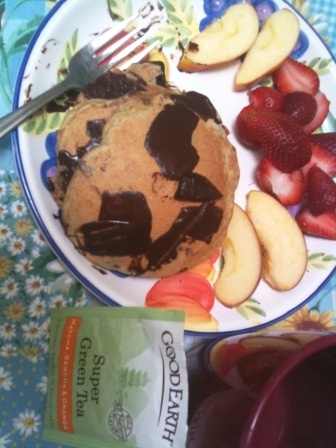
Berry Lemon Zest Pancakes - High Fiber

What better way to start the weekend than with a treat.  I don't often indulge in a mostly carb breakfast, but once a week, a high-fiber-carby-yummy treat is good for the soul...and that's good for the body.


I chopped some of the strawberries into the batter...added 1 Tbs. of flax-seed to the already hi-fiber buckwheat mix, an egg, the blueberries and 1 tsp. grated lemon zest.

Oh, and instead of milk I use Almond milk.


Oops! I forgot to show you the bar of 85% dark chocolate! Well, that's in the next photo...but I used 1 ounce to melt on and between the hotcakes.


Add the green tea with pepper and probiotics sprinkled on the rest of the strawberries, and you're ready to soothe the beast within!

P.S. If you like your cakes a little sweeter, use Farmer John's Maple Syrup made with Xylitol.

~ Cheers!


Sugars and Sweeteners - Glycemic Index

It's not easy to shop for foods by glycemic index unless you know what that is.  Once you have the ratings you can incorporate them into your shopping list before you leave the house.  With this in hand, and soon in your head!, you will be able to make intelligent choices about what is 'healthy'. The Glycemic Index (GI) is a numerical scale used to indicate how fast and how high a particular food can raise our blood glucose (blood sugar) level. A food with a low GI will typically prompt a moderate rise in blood glucose, while foods with a high GI may cause our blood glucose level to spike above the optimal level.

An awareness of foods' Glycemic Index can help you control your blood sugar levels, and may help you prevent heart disease, improve cholesterol levels, prevent insulin resistance and type-2 diabetes, prevent certain cancers, and achieve or maintain a healthy weight.

Note: A study tracked participants for year and found that overweight people on a low-carb, low-glycemic-index diet lost just as much weight -- 8% of their original weight -- as people on a reduced-fat, high-glycemic-index diet. So as long as you stick with healthy fats (Coconut and Olive oil), your focus should be on the GI of the foods you eat.

sugar_1

Artificial Sweeteners N/A Never a Healthy Sugar Alternative All artificial chemical sweeteners are toxic and can indirectly lead to weight gain, the very reason many people consume them. They should be avoided. In fact, given a choice between high fructose corn syrup and artificial sweeteners, we recommend high fructose corn syrup by far (though it's essentially asking if you should consume poison or worse poison).

Stevia 0 Best Healthy Sugar Alternative Though it is 200-300 times sweeter than table sugar, stevia is not a sugar. Unlike other popular sweeteners, it has a glycemic index rating of less than 1 and therefore does not feed candida (yeast) or cause any of the numerous other problems associated with sugar consumption. Please note that Stevia and Truvia are not the same thing.

Xylitol 7 Xylitol is a natural sugar alcohol sweetener found in the fibers of fruits and vegetables which can cause bloating, diarrhea, and flatulence with initial consumption. It's said to be safe for pregnant women, and is said to possibly treat ear infections, osteoporosis, respiratory infections, candida, and is it even helps fight cavities. In fact, in Finland, virtually all chewing gum is sweetened with xylitol.

Agave Nectar 15-30 * Although it has a low-glycemic index, Agave syrup is made from the Blue Agave plant by the extraction and purification of "sap" from the agave plant, which is broken down by natural enzymes into the mono-saccharides (simple sugars): mainly fructose (70-75%) and dextrose (20-26%).

* Agave nectar is 90% fructose. If excessive fructose is causing our obesity, diabetes, and metabolic syndrome epidemic, then agave might be worse than high fructose corn syrup (55% fructose) and worse than table sugar.

Fructose doesn’t stimulate insulin release and as a result, doesn’t stimulate the release of another hormone that makes us feel full. Plus, fructose goes to the liver to be broken down, and there it is converted to fat, which can raise cholesterol and triglycerides.

Furthermore, much of the Agave Syrups sold in stores are made from fructose and have little or no actual Agave sap in them.

Fructose 17 Though fructose has a low glycemic index rating, fructose consumption should be limited. Fructose is linked to heart disease as it raises triglycerides and cholesterol. It is devoid of nutrition. Refined fructose puts an enormous strain on the liver.

Brown Rice Syrup 85 It is not recommended for diabetics, since its sweetness comes from maltose, which is known to cause spikes in blood sugar.

honeycomb_3

Raw Honey 30 A Healthy Sugar Alternative in moderation With antioxidants, minerals, vitamins, amino acids, enzymes, carbohydrates, and phytonutrients, raw, unprocessed honey is considered a super-food by many alternative health care practitioners and a remedy for many health ailments. Choose your honey wisely. There is nothing beneficial about processed honey.

Coconut Palm Sugar 35 Originally made from the sugary sap of the Palmyra palm , the date palm or sugar date palm (Phoenix sylvestris). It's also made from the sap of coconut palms. With a relatively low glycemic index, Coconut palm sugar is the new rage among health nuts. It's often called "coconut nectar sugar" or "coconut sugar".  BUT.. The composition of coconut sugar (also known as gula kelapa, jaggery or gur) obtained from three locations in Indonesia was determined using HPLC. Sucrose was the major component of all samples (70-79%) followed by glucose and fructose (3-9% each).

Apple Juice 40 Fresh apple juice is good for you, though we recommend eating fresh raw whole apples. Concentrated apple juice (sometimes used as a sweetener) is closer to refined sugar than fresh apple juice.

Barley Malt Syrup 42 Barley malt syrup is considered to be one of the healthiest sweeteners in the natural food industry. Barley malt is made by soaking and sprouting barley to make malt, then combining it with more barley and cooking this mixture until the starch is converted to sugar. The mash is then strained and cooked down to syrup or dried into powder.

Amasake 43 This is an ancient, Oriental whole grain sweetener made from cultured brown rice. It has a thick, pudding-like consistency. It's not easy to find in the U.S., but it is a great alternative to refined table sugar.

Sugar Cane Juice 43 Healthy Sugar Alternative in moderation.  Sugar cane juice has many nutrients and other beneficial properties and is said by some health practitioners to be almost as medicinal as raw honey. The use of this substance (in moderation of course) has not been associated with any negative side effects or dangerous medical conditions.

Organic Sugar 47 Organic sugar comes from sugar cane grown without the use of chemicals or pesticides. It is usually darker than traditional white sugar because it contains some molasses. (It has not been processed to the degree white sugar is processed).

Maple Syrup 54 Maple syrup is made by boiling sap collected from natural growth maple trees during March & April. It is refined sap and is therefore processed.  It has a high glycemic index, and though it is much more nutritious than refined table sugar and high fructose corn syrup, there are better choices.

cane sugar

Evaporated Cane Juice 55 Evaporated cane juice is often considered unrefined sugar, but juicing is a refining process, and evaporating refines further. Though better than turbinado, cane juice (unevaporated) is a better choice as a sweetener.

Black Strap Molasses 55 White refined table sugar is sugar cane with all the nutrition taken out. Black strap molasses is all of that nutrition that was taken away. A quality organic (must be organic!) molasses provides iron, calcium, copper, magnesium, phosphorus, potassium and zinc, and is alkalizing to the body.

Turbinado 65 Turbinado sugar is partially processed sugar, also called raw sugar.

Raw sugar 65 Raw sugar is not actually raw sugar. It is processed, though not as refined as common white table sugar. Therefore, given a choice between raw and white, choose raw. There are many variations of raw sugar with names depending on how refined it is.

Cola (and most other sodas) 70 Though cola has a lower GI ranking then some might expect, there are many other reasons to avoid cola, or any type of soda. There is nothing beneficial to the human body inside a can of soda (not to mention we should avoid drinking out of aluminum cans!).

Corn Syrup 75 Corn syrup has very little nutrition and should be avoided.

Refined, Pasteurized Honey 75 The nutrition is gone, and there is often high fructose corn syrup added to processed honey. Refined pasteurized honey is no better than white table sugar.

Refined Table Sugar 80 Conventionally grown, chemically processed, and striped of all beneficial properties, many health advocates believe that refined sugar is one of the two leading causes (high fructose corn syrup is the other) of nearly every health ailment known to man (or woman or child). Not only does it have a high GI ranking, but it also is extremely acidic to the body causing calcium and other mineral depletion from bones and organs (sugar is alkaline but has a very acidic effect on the body).

High Fructose Corn Syrup 87 Many health advocates believe that high fructose corn syrup and refined sugar are the two biggest contributors to health ailments in our society. High fructose corn syrup is a combination of sucrose and fructose.

Glucose (AKA Dextrose) 100 White bread was the benchmark, but for consistency glucose now holds the rating at 100.

Maltodextrin 150 Foods that have maltodextrin often say "Low Sugar" or "Complex Carbohydrate", but this sweetener should be avoided!

*~*~*~*~*

  ~ To Your Health! ♥

The Gifts of a Neighborhood Walk

Yesterday was a balmy 88º so I had to wait until after 7:00pm to take my walk.  Armed with my iphone which I use as an ipod while walking, off I went. I am fortunate to live in a quiet, lush area of this suburban city of ours. I have 5 large trees on my property... two are the rather messy but wonderfully shade-giving mulberry trees, and one is a pine that is over 20' feet tall.

Our home is on a corner lot, so we've planted flowering shrubs against the house...camellias, azaleas, baby's breath, and Hydrangea that are a gorgeous purple blue.


Here are the gems I am treated to as I take my walk...as the seasons change, so do some of the sights of course...on this warm day and after a heavy rain last week, nature was basking and blooming and boasting!

Tiny white, yellow, purple and pink ground cover flowers poked their heads out of the greenery along the street, beckoning to bees and color-loving creatures...I discovered I was one of them.


Some of the yards sported amusing mailboxes.  Here two of them...


This is one of my favorite front yards.. it's full of whimsical sculptures and this wonderful water pump and tub.

Makes me want to replace the grass that covers our yard and get busy with rock creations and stuff from a flea market sale!


Tiny bushes huddled together, commenting on the passersby, command ones respect like flat, green, you-can-step-all-over me grass never can.


And then I came upon this striking orange puff of flowers...actually there were about 10 of them hugging posts that outlined a corner lot.


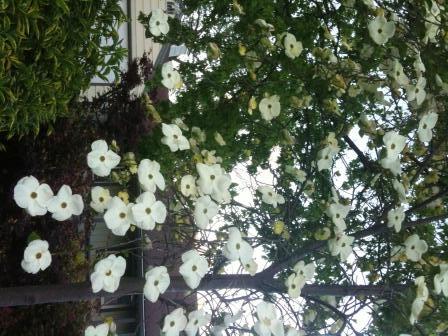
I am partial to white flowers, and this tree charmed me...bending branches to allow us shorter creations to better admire its loveliness.


I can't remember the name of this powder puff flower! ?

Talk about show-offs! Red leaves, green leaves and a sprinkling of white frost... doesn't this look like Christmas in April?  Luscious!


And of course what garden is complete with roses?


Well it's almost the end of my walk.  I didn't see the orange tabby that usually comes running to me as I pass her house, and walks part way down her street with me.


Maybe we'll meet tomorrow.


Giving our attention to the abundant attractions that the Universe has laid out for our pleasure and enchantment is a meditation. What an easy way to lift our spirits and rejuvenate our connection with Mother Earth.


~ Namaste!


Quinoa - Apple Salad with Lime Dressing

Quinoa, once called “the gold of the Incas, is an amino acid-rich (protein) seed that has a fluffy, creamy, slightly crunchy texture and a somewhat nutty flavor when cooked. Quinoa is a complete protein containing all eight essential amino acids and iron.

Quinoa

Ingredients

  • 2 c. Water or brewed Green Tea

  • 1 c. uncooked Red Quinoa

  • 2 organic Scallions, chopped

  • 1 stalk organic Celery, finely chopped

  • 1/2 organic Apple with skin, finely chopped

  • 2 Tbs. organic Parsley, chopped

  • 2 Tbs. Virgin Olive oil

  • 1 Tbs. lime juice

  • 1 tsp. Cumin

  • 1/2 tsp. Sea salt

Combine water and quinoa in a medium saucepan. Bring to a  boil. Reduce heat' simmer, covered, 10-12 minutes or until water is absorbed. Stir. Cover and let stand for 15 minutes.

Transfer to a large non-metal bowl, and set aside.

Add apple and veggies to quinoa and toss.

Combine oil, lime juice and spices, whisk until blended.  Pour over salad and toss again.

Makes 4 servings

~Bon Appetit! ♥

Curried Quinoa and Greens with Coconut Dressing

This recipe contains ingredients that enhance Cellular Damage Control! Quinoa contains the amino acid lysine, which is essential for tissue growth and repair.

Quinoa, once called "the gold of the Incas, is an amino acid-rich (protein) seed that has a fluffy, creamy, slightly crunchy texture and a somewhat nutty flavor when cooked. Quinoa is actually a relative of leafy green vegetables like spinach and Swiss chard.

The recipe below adds Kale, another 'fantastic food'.

One cup of kale contains 36 calories, 5 grams of fiber, and 15% of the daily requirement of calcium and vitamin B6, 40% of magnesium, 180% of vitamin A, 200% of vitamin C, and 1,020% of vitamin K. It is also a good source of minerals copper, potassium, iron, manganese, and phosphorus.

Kale’s health benefits are primarily linked to the high concentration and excellent source of antioxidants, and sulphur-containing phytonutrients. If you make the recipe with Green Tea instead of the other suggested liquids, you'll dramatically increase the Antioxidant benefits!

Curried Quinoa and Greens

Makes 6-7 servings about ½ c. each

  • 2/3 c. red Quinoa
  • 2-½ c. Water, Green Tea or no-sodium Veg Broth
  • 3 c. young Kale, lower stems removed, and chopped into bite size pieces
  • 1 tsp. Curry powder
  • Pinch Sea Salt

Coconut Dressing

  • 3 Tbs unsweetened light Coconut Milk
  • 2 tsp. fresh squeezed Lime juice
  • ¼ tsp. Curry powder
  • 1/2 tsp. Stevia
  • ¼ c unsalted, dry roasted Almonds

Toast the quinoa for 5-6 minutes in a 4-quart sauté pan over med heat, until fragrant, gently stirring from time to time.  Add water or broth, kale, curry and salt; cover and raise temp to high.  Bring to a boil.

Lower heat and simmer until the quinoa and kale are tender, the quinoa ‘tails’ have popped, and liquid is absorbed, about 15 mins.

Remove pan from heat and transfer mixture to a large bowl.

In a small bowl, place the coconut milk, lime juice, ¼ tsp. curry and stevia, and whisk together briskly.  Pour the coconut mixture over the quinoa and toss to combine.  May be served warm, or chilled.

Sprinkle with almonds just before serving.

~ Bon Apetit!

Watercress, organic

Here's a surprise...even though it may appear to be a shy little green plant, watercress is grouped in the cruciferous vegetable family (like cabbage and broccoli). It packs the power of Glucosinolates, compounds that cause the release of watercress’ primary anticancer compound, phenethyl isothiocyanate (PEITC).  PEITC has been found to protect against cancers of the esophagus, stomach, and colon, as well as lung cancer. It has also been found to exhibit great toxicity against cancer cells from leukemia, colon, and prostate cancer.

"Molecular oncologist Professor Graham Packham and colleagues at Britain’s University of Southampton studied a small group of breast cancer survivors, who underwent a period of fasting before eating 80g of watercress and then providing a series of blood samples over the next 24 hours. Results showed that ingestion of watercress led to a rapid rise in plasma levels of ... (PEITC)."  Read full article here.

And you thought it was just a pretty garnish!  Add generously to your salads, sandwiches and sauces!

~ Greenly yours!

Thai Yellow Curry Paste

By now you're sure to know that Curry is a food we are encouraged to eat frequently. The ingredient that gives it its lovely yellow-ish color is Turmeric, containing the powerful Antioxidant, Curcumin. Read about this amazing, healing spice here.

Thai Yellow Curry Paste

  • 1-2 red or Green chilies, or 1/2 to 1 tsp. Cayenne pepper
  • 2 organic Shallots (or 1 small onion)
  • 1 thumb-size piece Galangal root or Ginger, sliced
  • 3-4 large cloves Garlic
  • 1 tsp. ground Coriander
  • 1 tsp. ground Cumin
  • 1/2 tsp. whole Cumin seed
  • 1/8 tsp. fresh Nutmeg, or substitute cinnamon
  • 3 Tbsp. Fish sauce (available at Asian stores)
  • 3/4- 1 tsp. Turmeric
  • 1 Tbs. Xylitol or 2 tsp. Stevia
  • 1-2 fresh or frozen Kaffir Lme leaves, snipped into small pieces with scissors (discard central stem), or substitute bay leaf
  • 1 -14 oz. can Coconut Milk
  • 1 Tbs. fresh Lime juice
  • 1 Tbs. organic Ketchup

Toss all in food processor and blend. Refrigerate.

~ Easy peasy! ♥

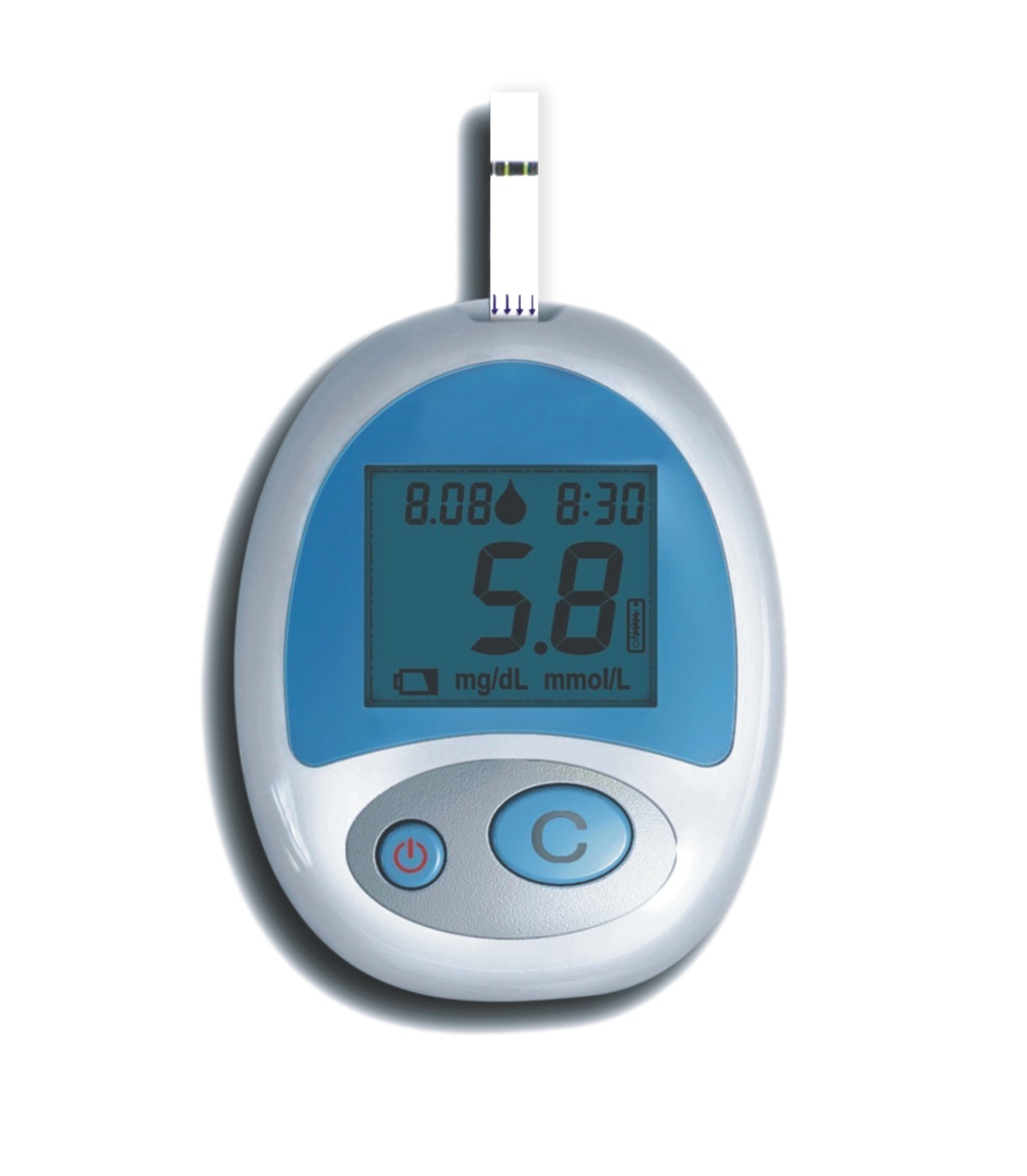
Lower Blood Sugar with These Foods

Elevated blood sugar levels are associated with inflammation, tumor proliferation, decrease in immune function, and angiogenesis.

Angiogenesis plays a critical role in the growth and spread of cancer. A blood supply is necessary for tumors to grow beyond a few millimeters in size. Tumors can cause this blood supply to form by giving off chemical signals that stimulate angiogenesis.

Thankfully, there are many foods that help lower our blood sugar.  There are also tactics you can use to keep your blood sugar in check:

1. Avoid refined, low fiber carbs and sweets

2. Choose whole grain foods that offer more than 1-gram of fiber for every 10-grams of Carbs (the Good Carb Formula.)

3. Avoid eating carbs alone especially on an empty stomach! Add a protein or healthy fat to balance blood sugar (almond butter, coconut oil, sardines, light meat tuna, almond cream cheese,etc.)

Eat more of these. . .

  • Apples, Red with Peel
  • Apple cider vinegar
  • avocadoAvocados
  • Barley
  • Black Beans
  • Blueberries
  • Chamomile tea
  • Chard
  • Cherries
  • Cinnamoncinnamon
  • Flax-seed Meal
  • Garlic
  • Goji Berries
  • Green tea
  • Leeks
  • Lemon
  • Parsley
  • Nuts
  • Oat Bran
  • Olive oilraspberry
  • Onions
  • Raspberries
  • Seeds
  • Sweet potato
  • Yams

~ Cheers!

'Curl up with a Book' Dairy Free Hot Chocolate

Yes, there are treats we can have on this diet!  Just gotta stay in the guidelines... :o) If you want a sweeter version you may add 2 tsp. Xylitol or a packet of Stevia.

  • 1 can unsweetened Coconut or Almond Milk
  • 1-1/4 oz. finely chopped Dark Chocolate (75% cocoa+)

Heat milk in small pot until hot - not boiling.  Add chocolate and stir until it is completely melted.  Sprinkle with Cinnamon. (opt.)

~ Yum!

PowerUp Cereal n Berry Breakfast, Good Carb Formula

Good morning! This is a lazy day I can tell. Sleep played hide-n-seek with me last night, so feeling mellow.

I poured 1/2 c. of high fiber cereal into a bowl, sliced organic strawberries, chopped a two inch strip of organic lemon rind and tossed it in, poured almond milk over all and then sprinkled freshly ground flax-seeds to top it off.

That is a bowl full of nature's magic!... high fiber, healthy fat from flax seeds and more fiber, super anti-oxidant berries and lemon peel, and healthy fat in almond milk.

Note: When you shop for cereal make sure it has less than 4g of sugar per serving.  Also, it's critical that you calculate the Fiber to Carb ratio. You don't want to spike your blood sugar...that's the critical consideration when eating carbs.

Good carb formula: Multiply the fiber by 10.  It should exceed the carb count.  For example Trader Joe's High Fiber Cereal (that's what it's called!)  has 23g of carbs and 9g of fiber per serving.  That means the ratio is  (9x10 to 23) 90 fiber to 23 carb! An excellent choice.

If it had 3g of fiber the ratio would have been 30 fiber- 23 carb, kinda ok but not so great.

~ PowerUp!

Breast Cancer Diet - Do's and Dont's

The following is a preview of the recommended diet for people who are currently overcoming breast cancer, or who are survivors and wish to stay cancer free.  This is based on the suggested diet I received from the integrative therapy professionals I discussed in 'My Journey Part I' post under “About”.
I feel it is important to think of our diet as a treatment, just as you would chemotherapy or any other therapy...don't tamper with foods on the No list, don't think it's OK to cheat for a day or two. Think of this as your long term cure.  So, give it respect and it may give you life!
That's my intuitive understanding of our mind-body work.  What you wholeheartedly believe, your mind will believe, and it will work to bring that belief into reality. If your mind-body feel you lack faith in what you're doing or thinking, you lose the majority of the beneficial effect, if not all.
After a couple of weeks it will become easier to stop thinking about missing this or that food. Think of cravings as your old ignorant cells talking.  If you have or had cancer treatments, your body is transforming.  Many cells that were part of your body have been shed, and you are creating fresh, un-programmed ones as you move towards new health.
I feel we are reinventing ourselves on more than one level during a healing process.  And wouldn't it be interesting if that's the role of cancer in our lives? By creating a fresh new cellular structure, it enables us to let go of old habits and beliefs that were programmed in them, and pushes us to new heights and depths of understanding...and challenge us to stay there!
I know my thinking has undergone a shift, and my body and the way I think of it sure have as well.
Below is a starter list of Yes and No foods for breast/prostate cancer.  If you'd like a comprehensive list with menu ideas, please write to me.

YES Foods:

  • All Vegetables except white potatoes: every color, raw or lightly cooked
  • Legumes/Beans: garbanzo, adzuki, black, lentil, kidney, lima beans, green beans...
  • Whole grains: barley, oats, rye, whole wheat...
  • Animal Protein: Omega 3 organic eggs, 4 oz. organic white meat chicken, 3 oz. grass-fed beef, all wild-caught cold water fish, very little organic butter (not heated)
  • Dairy substitutes: Almond or Rice milk, soy milk in moderation (especially if you have estrogen based cancer)
  • Spices: all of them
  • Nuts/Seeds: All except peanuts and cashews.  Make sure you only buy dry-roasted nuts

NO Foods:

  • All Dairy except Whey protein
  • Non organic vegetables and fruits
  • Processed foods
  • Sweeteners: Sugar, artificial sweeteners, honey, agave..
  • Simple carbs: white flour, rice flour, white potatoes, starchy food, rice, cornmeal (unless mixed with high fiber flour for baking), most boxed cereals (choose low sugar, high fiber)
  • Beverages: sweetened drinks, drinks with food coloring, caffeinated beverages (teas are an exception)
  • Fried foods
~ Get creative!

Citrus Fruits (Organic)

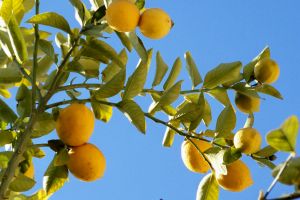
Studies have proven that eating citrus fruits is associated with a decrease in cancer development. This is particularly true in digestive tract cancers, those of the pharynx, esophageal, mouth, and stomach. Recent studies have found that children who consume orange juice in the first two years of life have a decreased risk of leukemia.

Squeeze lemon juice in warm water and drink before a meal, or use in salads or on veggies.  Eating the rind of organic citrus fruit is highly recommended. I don't mind munching the rind plain. If that doesn't tickle your fancy, you can grate it and add to soups, salads, muffins, salsa, tea...

Lemon juice creates an alkaline environment in our bodies. Most cancers and bacteria can't thrive in an alkaline body. The guiding principle used by the immune clinic I speak of and spent three weeks at in Southern California, is keeping the body alkaline to reverse or halt cancer in their patients.

The phytochemicals in citrus fruits block tumor growth by direct action, restricting their ability to reproduce. Also citrus fruits may have effect on the body’s modulation of carcinogenic substance detoxification.

If you have or had cancer, then only moderate you consumption of oranges and orange juice is recommended since it is high in sugar, but no limit to the consumption of lemons!

~ Pucker up!

Fasoulia (Lima Bean Stew)

This is one of my all-time favorite comfort foods! Mom made Fasoulia practically every other week, because we loved it. It's the Lebanese equivalent of Chili, except we serve it over rice. I often omit the meat for a tasty vegetarian version. Traditionally either Lima or Pinto beans are used, but my family ask for Kidney beans.

This recipe is high in fiber and protein, and is rich in lycopene...a cancer fighter, especially for prostate cancer.

Fasoulia or Lebanese Lima Bean Stew

  • 1 Tbs. extra Virgin Olive Oil
  • 1 medium white organic Onion, chopped
  • 6 oz. grass-fed Beef or Lamb, cut into 1/2" cubes (omit for Vegan version)
  • 1 1/2 c. boiling Water or hot Green Tea
  • 4 cups organic Lima, Kidney or Pinto beans (boiled or canned)
  • 2 Tbs. organic Tomato Paste
  • 1 tsp. Allspice
  • 1/2 tsp. Cinnamon
  • 1/4 tsp. Black pepper
  • 1 - 1-1/2 tsp. Sea Salt (to taste)
  • 1/4 tsp. Cayenne Pepper (optional)

Place medium size pot over medium heat for 1 minute. Add olive oil to pot and wait 2 minutes. Add the onion and gently saute, stirring, until they turn translucent. (Remember to turn heat down a little if the onions start to really sizzle, we don't want to burn the oil.)

Add the cubed meat, and stir until meat is no longer pink on the outside. Add boiling water, cover and simmer on low heat for 25 -30 minutes, until meat is tender.

Add the beans, tomato paste and spices.  Return heat to medium.

If needed add another 1/2 c. of water to keep liquid level with beans. Stir well. Once stew begins to bubble, cover and simmer for another 20 minutes. Taste and adjust salt.

Serve over Brown and Wild Rice or Whole Wheat Bulgur Pilaf.

~ Sahtein (double health)! ♥

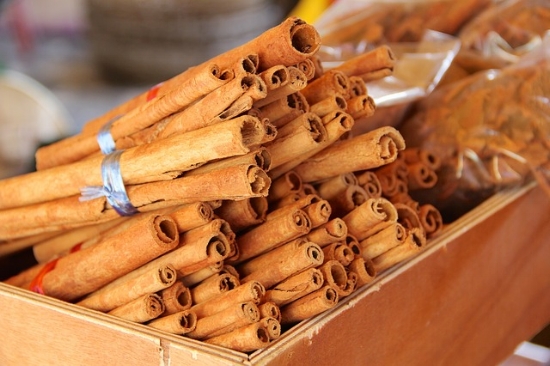
Cinnamon - The King of Antioxidants

Cinnamon has the highestanti-oxidant strength of all the food sources in nature!

1/4 tsp. of Cinnamon provides 1/4 of the antioxidants you need in a day.

Although there are four main varieties of cinnamon, Ceylon cinnamon and Cassia cinnamon are the most popular.  Ceylon cinnamon is sometimes called true cinnamon. It is more expensive and has a sweet taste. Ceylon cinnamon is sold in specialty stores.  Most cinnamon sold in supermarkets in North America comes from the less expensive variety, Cassia cinnamon.

In traditional Chinese medicine, Cassia cinnamon is used for colds, flatulence, nausea, diarrhea, and painful menstrual periods. It's also believed to improve energy, vitality, and circulation and be particularly useful for people who tend to feel hot in their upper body but have cold feet.

In Ayurveda, cinnamon is used as a remedy for diabetes, indigestion, and colds, and it is often recommended for people with the kapha Ayurvedic type.

  • The active compounds in cinnamon are known to have anti-diabetic, anti-septic, local anesthetic and anti-inflammatory properties.
  • Cinnamaldehyde in cinnamon-sticks has been found to have anti-clotting action, and may help prevent stroke and coronary artery disease.
  • This spice may increase the motility of the intestinal tract.
  • It contains  vitamin A, niacin, pantothenic acid, and pyridoxine.
  • Cinnamon is an excellent source of flavonoid phenolic anti-oxidants.
spice-1027958_640.jpg

Cinnamon may help or treat:

  • Type II Diabetes
  • Heart Disease
  • Ulcers
  • High Blood Pressure
  • Stroke
  • Polycystic ovarian Syndrome
  • Yeast infections
  • Food Poisoning

Sprinkle on toast, cereal, soups, and berries. Add to stews and rice dishes.

~ Tastefully yours ♥