How are You Impacting Your Teen's Health?

It is imperative that we pay attention to what our pre-teens and teens are eating.  We are heavily involved in setting the stage for their future health. Here is an excerpt outlining the Nutritional needs of teenagers:

Balanced Diet

The Dietary Guidelines for Americans recommends that teenagers have a balanced and varied diet. Eat five fruits and vegetables per day. These can be fresh, frozen, or dried. For energy, eat complex carbohydrate foods, such as brown rice, whole wheat pasta, whole grain bread and sweet potatoes. Eat lean meat, poultry, eggs, fish, beans and nuts to boost your daily protein intake. Protein builds and repairs the tissues in your growing body.

Snacking

Snacking on unhealthy foods can lead to unnecessary weight gain. Having breakfast will prevent this. Breakfast gives you the energy you need to start your day and also helps with your memory and concentration. If you get hungry between meals, avoid snacking on chips, chocolates, cookies, cakes and other high-fat or high-sugar foods. These foods contain saturated fat, which can increase the risk of developing heart disease if eaten frequently. Snack on more nutritious foods such as cheese, yogurt and fruit.

Calcium and Iron

The body's demand for calcium is at its highest during adolescence. Calcium is vital in your diet to build strong bones and teeth. A low intake of calcium during this time can lead to osteoporosis later in life. This is a bone disease where the bones become fragile and likely to fracture. From ages 13 to 18, the daily recommended allowance of calcium is 1,300mg, according to the National Institutes of Health. For age 19, the daily recommended allowance of calcium is 1,000mg.  Eat calcium-rich foods such as low-fat dairy foods, green leafy vegetables and fish.

Iron also is an important mineral in a teen's diet, especially for young women. Eat iron-rich food such as meat, poultry, liver, iron-fortified breakfast cereals, green leafy vegetables, pulses, beans and nuts.

___________

Once a week 4-5 of my son's friends come over to participate in a role playing game  called MouseGuard, and I make sure that I prepare  healthy snack items for them.  It's surprising how well they like what I make and comment that at home it's invariably chips, or crackers, or soda, or candy that they snack on.

It takes under 10 minutes to assemble a plate that you can put in the fridge for your teen to find when they get home:

Girls who take Birth Control pills are at risk of Vitamin B depletion, and should supplement with a well rounded B vitamin.  This is not a trivial matter. Please, please try to encourage your children to eat a wide variety of foods.  And if you need tips for picky eaters, DROP ME A NOTE! I can send you list of  Lunch Ideas that are creative and healthy.

"Lifepak Teen" is a good supplement for kids between 9  - 18 and supplies the following vitamins and minerals:

Serving Size: 2 Capsule Servings Per Container: 60

  • Vitamin A   5000 IU
  • Vitamin C (as Calcium Ascorbate)  100 mcg
  • Vitamin D  200 IU
  • Vitamin E  50 IU
  • Vitamin K1  20 mcg
  • Thiamin  1.5 mg
  • Riboflavin  1.7 mg
  • Niacin  20 mg
  • Vitamin B6  5.0 mg
  • Folate  200 mg
  • Vitamin B12  15 mcg
  • Biotin  150 mcg
  • Calcium  250 mg
  • Iron  4.5 mg

Calories  

On average, boys require about 2800 calories per day; and girls, 2200 calories per day. Typically, the ravenous hunger starts to wane once a child has stopped growing, though not always, says the dietitian. “Kids who are big and tall or who participate in physical activity will still need increased amounts of energy into late adolescence.” During middle and late adolescence, girls eat roughly 25 percent fewer calories per day than boys do; consequently, they are more likely to be deficient in vitamins and minerals. Read more here.

Eating Disorders

Here's a little 'literature' on eating disorders that many young people have, which underlines the need for monitoring our teens and what signals they may be responding to:

Also, households where there are high academic expectations are well-known breeding grounds for eating disorders.

Finally, many young women between the ages of 14 and 25 develop an eating disorder when they are not only under stress at school or college but also uncertain of their sexual orientation or sexual attractiveness.

Websites

BAM is a website that is both Fun and Informative, and is recommended by Nutrition.gov as a place designed for kids 9-13 years old:

  • "BAM provides information to help them make healthy lifestyle choices. The site uses games, quizzes, and other interactive features to teach kids about topics such as food and nutrition, physical activity, and general safety."BAM!
  • WebMD
  • HealthyChildren.org

~ Be Well.  ♥

You Want Me to Buy a What Maker? ?

Something is happening to our baking, frying and dough shaping skills! :(

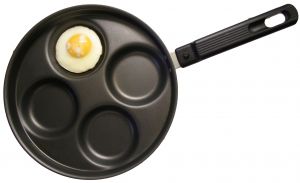
we can't cut dough into round that puff up when cooked, so we need a doughnut hole baking gadget. Seriously? I learned that eggs need to be fried in circular molds in an Egg cooking gadget so they look like uniform flying saucers.

I want my fried egg to be slightly asymmetrical, with fluted wings around the perfect golden center.

fried eggs

fried eggs

And if you don't like the gooey middle cuts of my Brownies...well, boo you!

Sinfully Brownie

I don't need a rice cooker because I AM a rice cooker!

The only 'gadgets' I own and use enough to warrant having them, are my Crock-pot (God Bless it's hard-working soul), and my new BOSS (I bow to its oil-less creations).

I own the perfectly acceptable and necessary kitchen electrics... a high quality mixer, a food processor, a toaster oven, a masticating juicer, waffle maker and a powerful blender.

And who has room for all those extra Novelty Baking doodads?  Do they last more than 2 years before they fall apart? Are you really still cooking with Teflon coated cookware? I threw mine out 2 years ago, and that was rather belated.

I feel it's honoring the skills my mother taught me to knead, roll, cut, stuff and crimp dough.  No one is going to rob me of the pleasure I get from doing so.

My son and his cousin were 14 when we sat around our kitchen table, and I taught them how to stuff grape leaves.  They did a marvelous job.  In 15 years if someone decides we need a grape-leaf-stuffing-and-rolling gadget, I hope those two refuse to buy it.

I hope they remember the day we sat together joking about the juices squirting all over as they rolled each leaf, and my telling stories about helping my mother make fabulous dishes that took 2 or 3 hours to complete. I hope they remember the pride they felt when I served our family the grape leaves at dinner, and praised the boys for a job well done.

Den 0311

Den 0311

And when they sit around their kitchen table teaching their children how to crimp a spinach pie or stuff grape leaves, maybe they'll have a story to tell about me.

 Here's to being old-fashioned! Yes? ♥

Foods and Plastics... Should They Mingle?

I found a link to this article on the epigenetics project blog and wanted to share it with you.

I have a HUGE thing about plastics, aluminum foil and food, and now research is showing that plastic containers, bottles and wraps leach chemicals under all circumstances!

When my children were young I never packaged their lunches in plastic wrap without first wrapping the item in wax paper. I don't let plastic wrap touch the top of food I store in the refrigerator, and when I freeze meats, I wrap them in wax or parchment paper first, and then aluminum foil.

As you may know, acidic foods EAT right through aluminum foil in a very short time.

If you wrap a pizza slice in foil and look at it a few hours later...every point that came in contact with the tomato sauce has a hole in it!  Aluminum is toxic to our bodies!


Plastic in Food: Inevitable Transfer

It's long been known that infinitesimal bits of plastic get into our food from containers. The process is called "leaching" or "migration." The chemical industry acknowledges that you can't avoid this transfer, noting on its website that "[v]irtually all food packaging materials contain substances that can migrate into the food they contact."

Laura Vandenberg, PhD, postdoctoral fellow in biology at Tufts University in Boston stated: "But almost any plastic container can be expected to leach trace amounts of plastics into food," she says.

Heating food in plastic seems to increase the amount that's transferred to food.

Migration also increases when plastic touches fatty, salty, or acidic foods.

Although most of the chemicals making the culinary crossing are considered "safe," Jacob tells WebMD that's generally not because they've been proved safe, but rather they haven't been proven to be unsafe.

Well, that's enough for me.

Clever Plastic-Free and Low-Tech Ways to Store Fresh Fruits and Vegetables

Ramon Gonzalez May 15, 2012

Lloyd Alter

Many fruits and vegetables taste better eaten the day they’re harvested from the garden. But what if you need to store your crop before you can prepare it? It’s possible to store your fruits and veggies using old technology and avoiding plastic altogether for zero waste storage.

How­ To Store Fruits and Vegetables.

Tips and tricks to extend the life of your produce without plastic.

The Ecology Center Farmers' Markets produced a large list of ways to store your produce without using plastic to push the markets and customers toward zero waste. Below is a sampling of the plastic-free tips and tricks of vegetable and fruit storage.

Fruits

Apples- Store on a cool counter or shelf for up to two weeks. For longer storage, put in a cardboard box in the fridge.

Citrus- Store in a cool place with good airflow, never in an air‐tight container.

Apricots/Nectarines- On a cool counter or fridge if fully ripe

Cherries- Store in an airtight container. Don’t wash Cherries until ready to eat, added moisture encourages mold.

Berries -­Don’t forget they’re fragile. When storing be careful not to stack too many high, a single layer if possible. A paper bag woks well, only wash before you plan to eat

Strawberries- Don’t like to be wet. Do best in a paper bag in the fridge for up to a week. Check the bag for moisture every other day.

Veggies

Always remove any tight bands from you vegetables or at least loosen them to allow them to breathe.

Asparagus- Place them loosely in a glass or bowl upright with water at room temperature. Will keep for 5 days outside the fridge.

Basil- Basil does not like the cold or to be wet. The best method is an airtight container/jar loosely packed with a small damp piece of paper inside, left out on a cool counter.

Broccoli -Place in an open container in the fridge or wrap in a damp towel before placing in the fridge.

Carrots- Cut the tops off (but save them for tea) to keep them fresh longer. Place them in closed container with plenty of moisture, either wrapped in a damp towel or dunk them in cold water every couple of days, if they’re stored that long.

Cauliflower- Will last a while in a closed container in the fridge, but they say cauliflower has the best flavor the day it’s bought.

Lettuce- Keep damp in an airtight container in the fridge.

Zucchini- Does fine for a few days if left out on a cool counter, even after cut. Wrap in a cloth and refrigerate for longer storage.

Beth Terry of My Plastic-Free Life skips the damp towel for carrots and stores them in containers of water that she frequently changes. According to Beth, the carrots, cut or whole, keep for a couple of weeks.

Saving Food from the Fridge

© Jihyun Ryou

How did we store food before we handed that job over to technology? Korean designer, Jihyun Ryou, tackled that question in her project, Save Food From the Fridge, which Lloyd Alter wrote about earlier here at TreeHugger, when she went in search of oral knowledge of elders and farmers.

What emerged is a simple and elegant way of storing and connecting to the ingredients we tuck away in the back of the refrigerator until they lose their flavor or start to decompose.

As gardeners we know about companion planting, but do we practice companion storage? Growing up apples were stored on the kitchen table or crisper in the fridge, while potatoes were relegated to the darkest corner of the food pantry.

Jihyun takes advantage of the ethylene gas emitted by apples as they ripen to suppress sprouting in potatoes.

What low-tech and plastic-less methods do you use to store your food?

Whimsical Eats

In my Appealing to the Eye post, I mentioned how visually appealing food just tastes better!  And if not better, well it sure draws you to want to try it. Getting children or finicky eaters to try something new or eat something 'healthy' is a challenge I'll bet each one of us has faced at one time or another.  But with just a little bit of creativity, they seem to be willing to override their objection if the food looks fun.

When my children were young, I told stories to distract them while eating, created faces on their sandwich bread by gluing pieces of fruit or cheese with peanut butter, or cut veggies in odd shapes.  It worked!

For Christmas, my daughter bought us two plates, one for me and one for my boyfriend, J.  This morning I was in a mood for a 'silly breakfast', a technical term referring to a plate of food that has an element of the ridiculous in it. I pulled out the "her's'"plate.

Don't you think your picky eater might be tempted to eat a flamboyant hat, earrings, and a bow in the shape of a heart and wings....and what if you expressed exaggerated distress as each item disappeared?

What do you think of my silly breakfast?  Would it pass the test?

What is your most creative way to get 'good' food into the stomachs of those you love?

breakfast face
breakfast face

~ Kawabunga! ♥

Beating Cancer with Nutrition

Below are a couple of pages from Dr. Patrick Quillin's book "Beating Cancer with Nutrition" to aid in motivating you to take care of yourselves now, BEFORE you have a 'reason' to.

If you feel you can't get all the recommended foods in your diet, then high-quality supplements can help.  I am happy to refer you to the brands made by reputable companies, known for the purity of their products, some of whom were recommended to me by the Complimentary practitioners I consulted with.

Please take the time to read this excerpt (since it took me two days to type out :)), and let me know if there is ANY way I can be helpful.

*~*~*~*~*

For the past 10 years, Dr. Patrick Quillin has served as the Director of Nutrition for Cancer Treatment Centers of America. He is an internationally respected expert in the area of nutrition and cancer. He has earned his bachelor's, Master's and doctorate degrees in nutrition and is a registered and licensed dietitian ( RD & LD) and Certified Nutrition Specialist (CNS) with the American College of Nutrition.

Starve the Cancer

Cancer is a sugar-feeder.  The scientists call it an “obligate glucose metabolizer”. You can slow cancer growth by lowering the amount of fuel available to the tumor cells.  Americans have become humming birds in their constant consumption of sweet fluids and foods.  The resulting constant high blood glucose levels yield many diseases, including cancer, diabetes, heart disease, hypertension, and yeast infections. Trying to beat cancer while eating a diet that constantly raises blood glucoseis like trying to put out a forest fire while someone nearby is throwing gasoline on the trees.

sugar cubes
sugar cubes

Stop eating sugar. Eat very few sweet foods, including high glycemic fruits. Begin an exercise program to burn blood glucose down to a manageable level.  Your cancer is not going to be happy as you begin to starve it.  You will develop cravings worse than you currently have.  Ignore them and push through the discomfort.

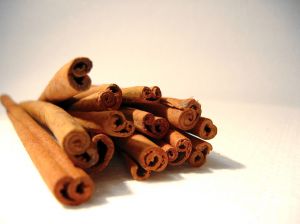
Make fish and colorful vegetables the staples of your diet.  Eat small amounts of fresh fruit…(Berries, apples, pears, peaches) at a mixed meal, which will blunt the rises in blood glucose. Use cinnamon liberally, since it helps to stabilize blood glucose.  Take supplements of chromium and magnesium. I have yet to see a cancer patient beat the disease who continued to load up on the average amount of sugar in our diet, which is 140 pounds per year per person.

cinnamon
cinnamon

Avoid Malnutrition

Cancer is a wasting disease.  Over 40% of cancer patients actually die from malnutrition, not from cancer. Cancer generates chemicals that lower appetite while increasing calorie needs. The net effect is that many cancer patients begin to lose weight. You cannot fight a life-threatening disease while malnourished. You need all the proper nutrition you can get to feed your immune system, which is your army assigned to killing the cancer cells.  The backbone of the immune system is protein.

If you cannot eat solid foods, then try the high protein shakes.

Nutrition

While chemotherapy and radiation can kill cancer cells, these therapies are general toxins against your body cells also. A well –nourished cancer patient can protect healthy cells against the toxic effects of chemo and radiation, thus making cancer cells more vulnerable to the medicine.  Proper nutrition can make chemo and radiation more of selective toxin against the cancer and less damaging to the patient. (It's during this phase that you should consider supplements that support your body, and enhance the drugs' effectiveness).

Turbocharge Your Immune System

Your immune system consists fo 20 trillion cells that compose your police force and garbage collectors.  The immune system is responsible for killing the bad guys, any cells that are not participating in the processes of your body, including cancer, yeast, bacteria, virus, and dead cells. “Kill the bad guys and take out the trash,” That is what your immune system is supposed to do.  But since you have cancer, something is wrong with your immune system; usually either stress, toxic burden, or malnutrition.

Eat well and take professionally designed nutrition supplements. Lower you stress levels.  Use guided imagery to imagine your immune cells like sharks gobbling up the cancer cells. This technique REALLY WORKS!! Detoxify your body. The average American has 1,000 times more heavy toxic metals than our primitive ancestors before the dawning of the industrial age. Toxins shut down the ability of the immune system to mount a good battle against cancer cells.

As your cells divide billions of times daily, mistake cells are the inevitable consequence.  These mistake cells sometimes grow into cancer cells, which your immune system is programmed to gobble up like Pac Man. The average adult gets 6 bouts of cancer in a lifetime, yet only 42% of Americans will end up in a cancer hospital.  The other 58% had a respectable immune system, which protected them.

Nutrition products that have demonstrated an ability to bolster immune function include; colostrums extracts, whey extracts, aloe extracts, mushroom extracts (Maitake, AHCC [Immpower]), yeast cell wall extracts (1,3 beta glucan), IP-6 (phytic acid), ImmKine, and Essiac tea.

The Healing Power of Whole Foods

It is amazing how simple the answer to cancer can be. Our brilliant researchers have spent 33 years and $50 billion of your tax dollars wrestling with the complex issue of curing cancer.  Yet Nature has been solving the dilemma for thousands of years. All of us get cancer all of the time, yet magical ingredients in whole food diet are there to help the body beat cancer.  Ellagic acid from berriesinduces “suicide” in the cancer cells.  Lycopenes from tomatoes help to suppress cancer growth.  Genistein in soy, glutathione in green leafy vegetables, and S-allyl cysteine in garlic are examples of the new scientifically-validated cancer fighters of the 21st century.

You don’t have to wait 7 years while some drug company goes through $800 million drug approval process, nor for FDA approval, nor for a doctor’s prescription for some drug that has many toxic side effects and costs thousands of dollars each month. These miracle anti-cancer agents are waiting patiently at your nearby grocery store and health food store.

Herbal Medicine

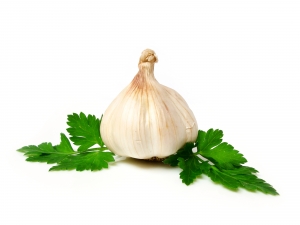
There are thousands of herbs that have been used for thousands of years to treat cancer. None are guaranteed cures for all cancers, but many are non-toxic boosters of immune function and detoxification pathways. If you want the basic herb that all cancer patients should be using daily, then start with garlic--  as a food, seasoning, and/or pill supplement.

garlic
garlic

Many other herbs that merit attention are: Atragalus, Echinacea, goldenseal, licorice, ginseng, ginkgo, ginger, Rhodiola rosea and cat’s claw are on the hit parade of herbs to help you toward recovery from cancer. Work with a professional who can help guide you toward the herbs best for your disease, your therapy, your wallet and your stomach tolerances.

Healthy Fats

While too much fat and the wrong kind of fat have been killing millions of Americans for the past 50years, we are now finding a new form of fat malnutrition: deficiencies of the essential fats. Fish oil, borage or primrose oil, flax oil, conjugated linoleic acid, and shark liver oil are all fats that can help you beat cancer.  For a simple starter, begin taking a few capsules of fish oil daily, preferably basic cod liver oil with all the good Vitamin A and D intact. You can also make a delicious, healthy Italian dressing by using flax oil, olive oil, water, vinegar, and some seasonings.

Healthy fats line the cell membranes and help to lower blood glucose by making insulin more effective. Healthy fat make the immune cells more likely to recognize and destroy cancer cells.

Order the Book here.

~ Be Well. ♥

That Cheeky Curcumin (aka Turmeric) is in the News

I love how frequently the foods we secretly know are excellent for preventing several serious illnesses, due to overwhelming testimony over decades of use, get 'discovered' by the news media, and featured. It may take the rest of the world a while to catch up with us, but the war is won a small battle at a time.  :D

*~*~*~*~*

Curry may help to boost the chances of fighting bowel cancer, according to researchers in the UK.

Laboratory tests suggest curcumin, a compound found in the yellow spice turmeric, can increase the effectiveness of chemotherapy.

Curcumin has powerful anti-inflammatory properties and has traditionally been used as an alternative remedy for a host of illnesses.

Now early test results suggest it may be able to reduce the development of bowel cancer.

The studies began after it was noticed that British Asians -- referring to Indians and Pakistanis -- were significantly less likely to develop the disease than non-Asians.

Now a two-year trial by scientists from Cancer Research UK and the University of Leicester aims to recruit for further tests about 40 patients with bowel cancer that has spread to the liver.

"We are very hopeful. You don't often see results like the ones we have had in the laboratory," chief investigator Professor Will Steward said.

"Certainly it is very, very promising and we are cautiously optimistic that we might see an improvement in outcome not just in terms of treating the cancer, making people live longer, giving people a better quality of life but also possibly reducing some of the nasty side-effects of chemotherapy."

Researchers hope that within three years they will have established once-and-for-all that one of our favorite curry ingredients is helping to prevent bowel cancer.

Hoda says: Why wait?? Eat more curries and stews with turmeric now!

Garbanzo Bean and Kale Salad
Thai Yellow Curry Paste
Read more here.
  ~ Be Well.

7 Random Things.

Basheera Aug 2011

5. Cooking brings me joy, and watching people happily gobble up what I make is instant gratification.

6. I miss many things about living on the Mediterranean: having my childhood friends around; lingering with extended family for 2-3 hours over multi-dish dinners; the small open-air Cafés at every curve on the mountain roads;  everybody you know converging to help when you need something; restauranteurs, taxi drivers, merchants and parking attendants remembering your name when you return more than twice; the amazing hospitality you are smothered with when there.

7. I am constantly working to shrink ego-based reactions and thinking, and expanding my ability to see the Divine in every situation and person.

~ Cheers! ♥

Soybeans - Friend or Foe?

Soy is one of those "wonder foods" that used to be sold only in health food stores or Asian markets in western countries.


In the last several years, soy has been showing up regularly on the shelves of mainstream grocery stores, packaged in an amazing variety of products and flavors. At the same time, a controversy has been brewing – is soy healthy or risky for breast cancer patients and survivors? Do soy foods protect you from cancer, or do they hasten its development?

Soybeans are a great source of the anticancer compounds known as isoflavones.   These isoflavones have powerful antioxidant properties, and may be able to prevent cell damage (oxidation) caused by free radicals.

Soy isoflavones can act like weak estrogens, and may block estrogen receptors, similar to the way that tamoxifen works to prevent a recurrence of estrogen-sensitive breast cancer.

Sounds great, doesn't it?  But there may be a problem of "too much of a good thing."  Just as an excess of natural estrogen may fuel the growth of a breast tumor, too much of the soy isoflavone genistein, in concentrated form in many over-the-counter nutritional supplements, may set the stage for tumor development.

While moderate consumption of soy-based products is very reasonable, some supplements extremely high in phytoestrogens, especially soy-based isoflavone compounds and flaxseed based lignans, have been promoted as "natural" treatments for hot flashes and other menopausal symptoms. Very well-designed clinical trials show these supplements are no more effective than placebo (sugar pills) at relieving these symptoms. There is good science to suggest these high dose supplements may have negative health effects.

The Bottom Line on Soy and Breast Cancer

You may get the most benefits from consuming soy isoflavones such as genistein, if the isoflavones come from food (sesame seeds, tofu, legumes)– not from nutritional supplements.

The American Cancer Society says that concentrated extracts of soy isoflavones may encourage tumor growth, and should be avoided. Women in the Japanese study who had the lowest rates of breast cancer had consumed soy from childhood, or at least from pre-puberty. Post-menopausal women should not overdo soy products, because the powerful isoflavones mimic natural estrogen, which fuels 80% of all cases of breast cancer.

References

  1. Barnes, S., et al.  "Soy Isoflavonoids and Cancer Prevention." Advances in Experimental Medicine & Biology  401.  (1996):  87-100.
  2. Barnes, Stephen.  "Anticancer Effects of Genistein."  The Journal of Nutrition  125  (1995):  777S-783S.
  3. Bergan, R., et al.  "Genistein-stimulated Adherence of Prostate Cancer Cells Is Associated with the Binding of Focal Adhesion Kinase to Beta-1-integrin."  Clinical & Experimental Mestastasis  14(4) (1996 Sept.):  389-398.
  4. Messina, M. J., et al.  "Soy Intake and Cancer Risk:  A Review of the In Vitro and in Vivo Data."  Nutrition & Cancer 21(2)  (1994):  113-131.


Wake Up Call - Pesticides, Natural Chemicals and Our Health

When I read information like the following Abstract, I'm stunned that we wait for someone to "prove" what we have enough evidence to "suspect" is the cause of illness.  We wait until it's too late to do anything about it...instead of immediately thinking, "My life is too precious. If there is a 'possible link I am not going to take a chance.  I can live without xxxx in my life."

Pesticides and cancer: Dich J, Zahm SH, Hanberg A, Adami HO.

Abstract

"Epidemiologic evidence on the relationship between chemical pesticides and cancer is reviewed.

In animal studies, many pesticides are carcinogenic, (e.g., organochlorines, creosote, and sulfallate) while others (notably, the organochlorines DDT, chlordane, and lindane) are tumor promoters. Some contaminants in commercial pesticide formulations also may pose a carcinogenic risk.

In humans, arsenic compounds and insecticides used occupationally have been classified as carcinogens by the International Agency for Research on Cancer. Human data, however, are limited by the small number of studies that evaluate individual pesticides.

Epidemiologic studies, although sometimes contradictory, have linked phenoxy acid herbicides or contaminants in them with soft tissue sarcoma (STS) and malignant lymphoma; organochlorine insecticides are linked with STS, non-Hodgkin's lymphoma (NHL), leukemia, and, less consistently, with cancers of the lung and breast; organophosphorous compounds (About 70% of the insecticides in current use in the United States are organophosphorous (OP) pesticides, a total of around 90 million pounds per year) are linked with NHL and leukemia; and triazine herbicides with ovarian cancer.

Few, if any, of these associations can be considered established and causal. Hence, further epidemiologic studies are needed with detailed exposure assessment for individual pesticides, taking into consideration work practices, use of protective equipment, and other measures to reduce risk. "

SourceDepartment of Cancer Epidemiology, Karolinska Institute and Radiumhemmet, Karolinska University Hospital, Stockholm, Sweden.

_ _ _

And here is a summary from the EPA's website:

Pesticides and Food: Health Problems Pesticides May Pose

Laboratory studies show that pesticides can cause health problems, such as birth defects, nerve damage, cancer, and other effects that might occur over a long period of time.  However, these effects depend on how toxic the pesticide is and how much of it is consumed. Some pesticides also pose unique health risks to children.

For these reasons, the Federal Government, in cooperation with the States, carefully regulates pesticides to ensure that their use does not pose unreasonable risks to human health or the environment. "

What is "unreasonable risk"?  Is there such a thing as "reasonable risk" when it comes to our health?  Who decides?  People you know nothing about....or YOU?

YOU are in Charge of Your Health and the Health of Your Children

Were bombarded with pollutants from vehicle emissions, manufacturing plants, dry cleaner chemicals,  lawn mowers, those darn awful leaf blowers that make me cookoo, and pesticides sprayed everywhere.  It's a miracle our liver functions at all.  Then add pharmaceuticals, artificial coloring, sugar, lotions with Parabens and EDTA, and deodorants with things we can't spell much less pronounce, and no wonder we're walking hot beds for the development of Alzheimer's, Cancer and a host of other ailments.

Get in the driver's seat You are wise.  Don't wait 10 years until the FDA or the EPA has enough 'clinical' data.  By then you could be one of the subjects they're studying, God forbid!

I have thrown away my Teflon pans, I don't let plastic wrap touch my food (I place a small square of parchment paper or was paper on the food before I wrap it), I never put Aluminum Foil against any sauces or acidic foods (you know the acid eats right through the foil...yes?), and I told my gardener not to use pesticides on any weeds, and to hand rake my leaves.

Love your life and your children's lives enough to sacrifice convenience for caution. It's a different world...we have to think defensively. Some things we can do little about, like air pollution, so do what you can with things you have control over.

~ In Good Health.

Make it Colorful!

Breakfast Buzz

The best possible plate of food is a ColorFULL one.  The more the colors (and I don't mean food coloring sneaky peak) the better for you.

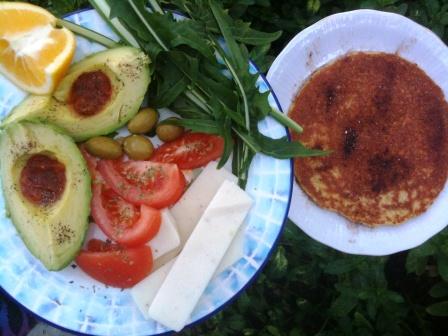
I posted a Breakfast Idea that included vegetables a few days ago, and mentioned that in Mediterranean countries the lack of fresh veggies at the table is unheard of.  Tomatoes, cucumber, fresh mint, parsley, olives, radish, and yes, even pickles are a common feature.

Since I am off dairy completely(with the exception of Whey Protein which has anti-tumor benefit), I eat Rice or Almond Cheese.

To the right is the yummy and healthy Flour-less Flaxseed Pancake!  I sprinkled mine with cinnamon (anti-oxidant power) and Stevia.

My big bunch of Dandelion greens called me this morning, and they are so good wrapped around an Olive and stuffed in a pita bite that I happily included them on my plate.

Fresh Tomatoes sprinkled with dried mint (I make my own), and half an Avocado with salsa and lemon juice (more anti-oxidant power).

Here's a tip..

Bright and vividly colored vegetables—such as the ones used in salads and salsas—are rich in carotenoids, powerful plant pigments that reduce your risk of cancer, heart disease, and cataracts. But here's a little-known secret: To fully benefit from these disease-fighting compounds, you need to eat them with fat. In fact, Ohio State University researchers found that people who ate a salad topped with half an avocado absorbed five to 10 times more beta-carotene and lutein—carotenoids found in carrots and spinach, respectively—than those who had salads sans the fatty fruit. And eating avocado with salsa boosted the absorption of lycopene—a carotenoid in tomatoes—by almost five times.

"Fatty acids are needed to help carotenoids dissolve in the intestines," says lead study author Steve Schwartz, Ph.D. "These lipids are also an essential part of creating lipoproteins, which transport the carotenoids in the bloodstream."

~ Ye-haw!

Are You a Bean? or ... the Lentil Love Affair

Da Facts

The lentil (Lens ensculenta) is a legume that grows in pods containing one or two lentil seeds.  They are believed to have originated in central Asia.

Lentils have been eaten by humans since Neolithic times and were one of the first domesticated crops.  In the Middle East, lentil seeds have been found dating back more than 8000 years.

In the Old Testament, Esau gives up his birthright to Jacob in exchange for a bowl of lentil soup. The Greek playwright Aristophanes called lentil soup the "sweetest of delicacies." Lentils have been found in Egyptian tombs dating as far back as 2400 BC.

In India, the lentil is known as dal or daal. For many centuries, lentils were considered to be "the poor man's meat." In Catholic countries, those who couldn't afford fish would eat lentils during Lent instead.

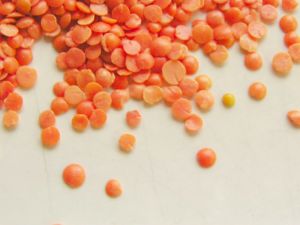
There are many varieties and colors of lentils, including brown, yellow, black, orange, red and green.  Beluga lentils are black and one of the smallest varieties of lentils, having an appearance similar to caviar.

French green lentils are small, delicate, and flavorful and hold their shape after cooking better than many other types of lentil. The most common lentils used in the United States are green and brown, since these varieties are best at retaining their shape after cooking.

The optical lens is named after the Latin word for lentil, lens. Unlike most other beans, lentils don't need to be soaked before cooking.

More Facts

With about 30% of their calories from protein, lentils have the third-highest level of protein, by weight, of any legume or nut, after soybeans and hemp. Proteins include the essential amino acids isoleucine and lysine , and lentils are an essential source of inexpensive protein in many parts of the world which have large vegetarian populations.

Lentils are deficient in two essential amino acids, methionine and cysteine. However, sprouted lentils contain sufficient levels of all essential amino acids, including methionine and cysteine.

Lentils also contain dietary fiber, folate, vitamin B1, and minerals. Red (or pink) lentils contain a lower concentration of fiber than green lentils (11% rather than 31%). Health magazine has selected lentils as one of the five healthiest foods. Lentils are often mixed with grains, such as rice, which results in a complete protein dish.

   References:

Randy Sell. "Lentil". North Dakota State University Department of Agricultural Economics. Archived from the original on 2009-06-21. Retrieved 2011-12-14.

Raymond, Joan (March 2006). "World's Healthiest Foods: Lentils (India)". Health Magazine.

Da Story

As a child and up to now, lentils have been one of my favorite beany legumes! There are two traditional Lebanese lentil dishes that Mom made quite often, and that I devoured... 1) Mjaddara : a lentil and rice mash that is better than chocolate fudge; and 2) Shawrabit Adas: 'Lentil Soup' with Swiss Chard and Cumin.

Both dishes were on the Top of my Comfort Foods list.  On wintry days when I visited my Uncle Yusef's house where Tehta (Grandma) lived, we'd huddle around their kerosene stove in the 'winter room', sitting on long cushions that bordered the wall, and eat bowls of Mjaddara with pita bread, pickles and shredded cabbage salad. My 3 cousins and I would listen to the adult conversations, poking fun at whoever was featured in each story, or play silly word games.

Lentils are versatile.  You can add them to salads, to chilies, and soups.

Click on the Recipe Names to go to the recipes.

~ Sahtein!

Home

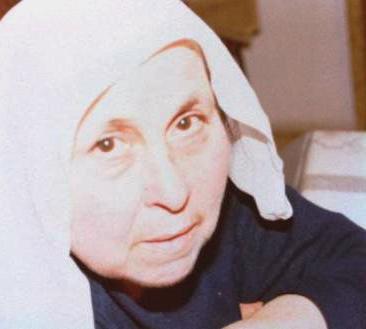
Sitting on the living room floor upstairs White veil folded over the top of her head

She holds in her lap a large round tray

Full of lentils,

Her right hand pushing each wavy row at a time

Up towards the top of the tray

Inspecting them for debris.


She wears a navy dress with white polka dots

And every grandchild knows that dress.

She’s recounting another story,

Always full of every possible detail

Often mimicking the players

In perfect adaptations,

While we sit listening.


Lentils picked through ...the tray

Is taken to the kitchen by the maid,

Downstairs she follows onions beckoning

To be chopped into perfect small dice

Excited to enhance the fledgling soup

Sautéed in green-gold olive oil

They wait to turn a luscious brown.


The telephone rings

Her youngest sister calling to say she’s coming by

One of my round aunts clad in black

White veil clinging to graying hair

Rosy face and twinkling eyes,

Three kisses on two cheeks

And a pinch of the chin.


The thick soup bubbles on the stove

Melding the flavors of crisp onions

And brown lentils with a hint of cumin,

A quick stir with the wooden spoon

Between lines of conversation

The latest family gossip

Floating around the room.


Arabic coffee is brewing next to the lentils

Thick, dark, rich its heady aroma

Vying for space between the airborne words

A quick boil, a resting minute for grounds to settle

Then into tiny flowered porcelain cups

A hint of sugar sprinkled, and quickly stirred

More news, laughter and plans for a visit


To an elderly friend who recently lost a husband...

The stone house on the corner

Above Abu Salim’s grocery store

A basket dangles from the balcony

Waiting to descend into his hands

And be filled and hoisted up again.


A sheik in black with a blue striped vest

Manicured mustache curled

A white cotton cap on his head,

He walks along-side his doe-eyed donkey

She, carrying baskets of honeyed figs

From the orchards at the top of the hill

Weaving down the winding streets to market.


‘Ahlan Yousef’ a greeting meets him

The source sits on a wooden chair

In front of the inviting barber shop

Sipping coffee from a gold-rimmed demitasse

A backgammon table laid out

Waiting for participants

On this sunny mountain day.


A hand touching his forehead in response

Donkey and master are closer to market

A taxi honks to get by the pedestrians

Tangling in the streets

Each shop with its own bouquet of people

Talking, kissing, catching up on the events

Since 10pm the night before.


Long straight hair at the skilled hands of hairdressers

Flow down slender shoulders

Framing lovely dark eyes,

As young women walk arm in arm in pretty skirts

Snacking on toasted melon seeds from crumpled paper bags

Avoiding the glances of young men

In tight shirts and store windows.


Each mother tows more than a child

Pretty frilly socks and matching ribbon in curls

Adorning chubby faces

Or shining black shoes and knitted sweaters

On a future man of the village

Who now holds a cone dripping with

Mango, peach and pistachio ice cream.


Stray dogs make their way to the back of butcher shops

Patiently waiting for today’s scraps

While the owner haggles with the woman

Veiled and gesturing at a piece of meat

Which he holds in his hand

20 lira is not what she pays for that very same

At Abu Amin’s shop across town.


A policeman’s whistle at a gray car double parking

The man in a blue shirt, his wife and children

In the back seat leaning out of windows

“Bas takki” he shouts at the officer

‘Just one moment’ and he’ll be gone

Just long enough for Sameera to run into the pharmacy

For father’s medication.


The incomparable Fairuz sings over the noise in the square

Her rich voice idealizing her country,

Comes from a radio on the balcony

Above the fabric store

Where Im Ali sews dresses for customers

While her children are in school,

Colors streaming from hangers.


‘Hey, ya Kamaaaaal’, call a group of young men

Leaning against a Mercedes

Turning the head of another making his way

Across the street to Ziad’s bookstore

Whistles and hand clapping when he hears

Laughter at his distraction as he finally sees

The goateed chins that beckon him.


Hugs go around the now circle of friends

Plans for an evening stroll after dinner

And hints at who they might run into

To spice the night’s ritual

A clasp of hands before Kamal returns to his path

A mental note to complete homework

Before the stroke of 9.


Dotted along the streets grey taxis

Usually a 6-year-old Mercedes

Carries six passengers tightly squeezed

Back from a day of work in the sun.

Skin darkened, sporting darker mustaches

Looking forward to joining family for dinner

Displayed in six or seven flowered dishes


Meals are an invitation to share good fortune

To catch up on the day’s news

To show generosity towards friends and family..

Mothers and grandmothers in their long dark skirts

Many wearing the white flowing thin veil over their hair

Spend the afternoon together preparing the evening meal

Always Turkish coffee at the ready.


Children play on the large verandas

Or on the street corners

Looked after by older siblings, cousins,

Or cheerful shopkeepers who too are friends..

No neighbor in this village is a stranger

No one keeps to themselves for this is a Community

Of family overflowing with love and concern.


Their hearts like their houses are close,

Like the winding alley ways

Their lives wind around one another

No one hesitates to ask for aid.

Nabeel skips morning chores to take Aunt Im Jamal to the doctor

Lena walks to town for a spool of brown wool

To mend upstairs’ Abu Fady’s jacket.


Between these snug two and three-story stone buildings

Serving as houses and shops…

Stray slender pine trees and fragrant flowery bushes

Winding narrow stairways and alleys

Sprinkled with cats and people

Busy with the day’s work

Acknowledging each other.


Where the spaces between structures grow larger

Stand houses capped with red tile roofs

Sit upon hill crescents offering dizzying views

Of tree green valleys and mountains

Gentle sloping land down to the shimmering

Blue waters of the warm Mediterranean

Its shores outlining modern cities.

There the men and women have a brisker pace

There the shops are shinier

The cars polished carrying fashionable passengers

The buildings taller, the streets wider

The pace faster, but still allowing friends to linger

Over coffees and sweets and late lunches

In the outdoor Cafés dotting every corner.

The cheeks here are red with premeditated color,

The shoes and handbags from twin material,

The conversations in three alternating languages

At each dining table, in each bunch of students

At Chez Michelle’s Salon and George’s Boutique

The dresses shorter, the makeup brighter

The flirting noticeable.


Her white head-cover now exchanged for a black one,

She makes her way to the city in the white Mercedes,

Kameel, the driver, in white starched shirt and long pinky nail

Making polite conversation...

Visits to Daoud the tailor, Kabé the jeweler,

And Abu Talal... the wholesale grocer,

Before returning home to the mountains.


A little something for me and my sister

Dad’s favorite fruits, dried beans and rice

To last a few weeks..

A bunch of fresh dates from Arabia

And ripe, orange, fleshy mangos from Egypt.

All congregate in the large kitchen

To help with parts of the bountiful evening meal.

~ Hoda A.© 2009

How do We Know if the Antioxidants We Ingest are Protecting Us?

I've often wondered how one really knows how much of the antioxidants we ingest help us. We assume that the foods we eat have the purported amounts of minerals and vitamins and phytonutrients, etc. and that the supplements we take are doing something. But how do we really know? I stumbled upon the answer 10 days ago!

A friend of mine introduced me to a small machine called a BioPhotonic Scanner.  It's made exclusively by a company called Pharmanex which manufactures personal care products and nutritional supplements.

The machine provides a non-invasive, fast way to determine one's antioxidant status, so you can tell if your supplements or the foods you eat are actually protecting you.

I simply placed the palm of my hand against the scanner's low-level blue light, and in just a couple of minutes got a reading! Happily my score was a whopping 66,000 which is terrific. YAY for my supplement regimen!

The Anti-oxidant scale is 10,000 (very poor) to 50,000+ (very good).

Being a doubting Thomas, I attended an informational seminar about the company and the science behind their supplements, and was impressed with the data.  I met the head scientist, and had the chance to ask him a couple of nagging questions I had.  His answers cleared them up.

The head of Integrative Oncology at one of the prominent Bay Area Hospitals was there, and talked about resisting their salesperson, but finally giving in and trying their products.  He now uses their supplements with his cancer patients, and relies on the BioPhotonic Scanner to track their antioxidant levels.

Well, I am hoping to have access to one of these machines, and the Pharmanex line very soon. If you live in the San Francisco Bay Area and would like to have your antioxidant level checked, contact me!  It's only $20 for the reading.

They claim their products are highly bio-available since they're created using nanotechnology.  They have two major products 1) a pack that includes antioxidants, carotenoids, omega-3 fatty acids and will increase your Carotenoid Score. 2) A vitality enhancing product that targets physical vigor, mental acuity and sexual health,  by promoting healthy Youth Gene Clusters.

This latter product is the result of a study done with mice (what else..) that tracked their 'gene expression' as healthy young mice vs. aging mice. What I learned was that our genes are not what determines our longevity and health (even if grandma lived into her 90's), but how those genes 'express' themselves in our life, based on our lifestyle and nutrition, that counts.

I met a few people who felt a change in their energy, their skin and hair health, and even their vision or hearing, within 1 - 2 weeks of being on this product.  I am giving some to two family members with aging issues, and will report back!

If you'd like more info on these two supplements, I'd be happy to send that to you.

I have been taking 28 different supplements, separately, so have to swallow 6 - 10 pills at each meal.  Their pack contains about 7 pills that combine what I take plus a few more things like select mushrooms, which we all know contain vital nutrients, albeit at lower doses, but they are getting fantastic results.

~ Onwards and up!

Music to Lift Your Heart

Sometimes a melody can lift us above everything, enabling us to look down and gain perspective, and be glad that in fact there is light in the world, we have to choose to see it and embrace it. This instrumental is such a melody... it lifted my heart and focused my mind on golden light... the kind that penetrates every cell with a healing vibration, reminding us that Love is our essence.

Ömer Faruk Tekbilek ♫ Aşk

Enjoy.

~ In Love.

Re-Think Breakfast

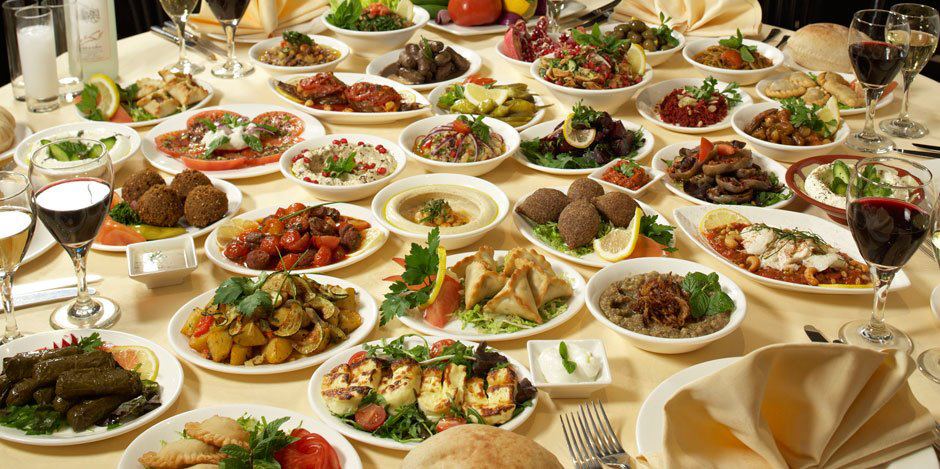
It's somehow foreign to us to think of eating vegetables at breakfast, and yet in many parts of the world a breakfast without fresh vegetables or herbs is incomplete. Having grown up in a Mediterranean country, we always had a plate of freshly sliced tomatoes, cucumber, onion (yep), and some parsley and fresh mint at the table. A bowl of mixed, brined olives and strained yogurt (Labneh) were also part of the main cast.

It's time to embrace that thinking.  Nutritionists tell us that half our plate should be 'green'...well breakfast is no exception.

When I cook veggies I make enough to last 3-4 days.  They keep well, and then I don't have to work at making breakfast healthy.

This morning I tossed some green beans and a smattering of kale cooked with onions, garlic and sumac on my plate... a little romaine and tomato salad dressed in a lemon vinaigrette, add a scrambled Omega-3 egg for protein and a high fiber piece of toast... and Voila!

My cup of Dragonwell green tea with a hint of black pepper (for super antioxidant benefit) is the cherry on top.

  • Get creative.
  • Keep enough cooked or raw veggies on hand to make breakfast a no-brainer.
  • Brew 4-5 cups of green tea at a time so it's there when you want it.

Help with Chemotherpay Side Effects - Glutamine

Glutamine powder is recommended during Chemo. It may inhibit the usual nausea  or diarrhea, and after surgery it accelerates healing. Seacure® is a trusted supplement with Glutamine. Founded in 1994 by Dr. Donald Snyder and headquartered in Reading, Pa., Proper Nutrition, Inc. is built on a record of innovation stretching back to the early 1960s, when Dr. Snyder, as the head of a U.S. Department of the Interior Fisheries Research Laboratory, led the charge against world hunger.

Dr. Snyder, as a member of a special committee of the U.S. National Academy of Sciences, was instrumental in developing an economically feasible method of providing protein to the world’s hungry.

A breakthrough came in the form of revolutionary FPC (Fish Protein Concentrate) technology, which allowed quality protein, retaining all of its original nutritional value, to be delivered to the body in a highly absorbable form. FPC was made available to the World Health Organization of the United Nations to aid in famine relief.

Today, Dr. Snyder and Proper Nutrition, Inc. offer revolutionary dietary supplements, including Intestive®, available directly to consumers; and SEACURE® and SEAVIVE®, professional products available for distribution by healthcare practitioners and retailers.  Proper Nutrition supplements offer proven alternatives for the support of the gastrointestinal tract and the promotion of immune system health.

Seacure® (click to read more) is rich in glutamine. Glutamine is an amino acid (protein building block) that is the preferential fuel source for the cells that line the digestive tract. Just as the brain loves to use glucose for energy, the cells that line the digestive tract love to use glutamine for energy. In fact glutamine helps the cells that line the digestive tract to deal with stress more effectively.

So why are the cells of the digestive tract stressed?

Well, these cells divide rapidly just like cancer cells. The lining of the stomach completely renews itself every 4 days! Unfortunately, chemotherapy hits the cells of the digestive tract just as hard as it hits the cancer cells. This is why chemotherapy medications so often produce nausea, vomiting, diarrhea and loss of appetite.

Seacure® strengthens the cells of the digestive tract so that they can handle the stress of being hit by chemotherapy medications without interfering with chemotherapy's effects on cancer cells.

Scientific research has found that when glutamine is given with chemotherapy or radiation, it not only protects the individual receiving the treatment from the side-effects of these therapies, it also increases the selectivity of the therapy for the tumor. Click here Scientific Reference if you would like the details of this research which was conducted in 1996.

So why not just supplement with glutamine instead of Seacure®?

The glutamine in Seacure® is better absorbed by the digestive tract than pure glutamine supplements. Why is this? Studies on human digestion have found that the digestive tract preferentially absorbs protein in the di-peptide (2 amino acids joined together) and tri-peptide (3 amino acids joined together) form.