Hello Brussels. Why so Bitter?

The Case of the  Brussels Sprout

This is not the story of a boy from Brussels and how he wound up in Court....

This is the story of a Sprout accused of being bitter and unfriendly.  The first mention of this sprout is traced to the late 16th century. It is thought to be native to Belgium, specifically to a region near Brussels, after which it was named.

This Sprout is a member of the Brassica family and therefore related to Broccoli and Cabbage. Don't be fooled by its size however! Watch what you say because a Sprout grows up with a bunch of 20 to 40 other Sprouts, on the stem of a plant that grows as high as three feet tall!

These miniature-sized vegetables contain the largest content of anticancer phytochemical compounds such as glucosinolates. Like broccoli, the indole-3-carbinol has been found to reduce cancer growth especially for estrogen dependent cancers (e.g. uterine, breast, cervical).

brussel sprouts

In order to plead the case for this Sprout I lay before you the following:

Character Traits *

  • Brussels sprouts can help us avoid chronic, excessive inflammation

  • You'll find nearly 100 studies in PubMed (the health research database at the National Library of Medicine in Washington, D.C.) that are focused on Brussels sprouts, and over half of those studies involve the health benefits of this cruciferous vegetable in relationship to cancer

  • They provide us with this cholesterol-lowering benefit whether they are raw or cooked. When the cholesterol-lowering ability of steamed Brussels sprouts was compared with the cholesterol-lowering ability of the prescription drug cholestyramine, Brussels sprouts bound 27% as many bile acids

  • The fiber content of Brussels sprouts: 4 grams in every cup makes this cruciferous vegetable a natural choice for digestive system support.

  • The detox support provided by Brussels sprouts is extensive. There is evidence from human studies that enzyme systems in our cells required for detoxification of cancer-causing substances can be activated by compounds found in Brussels sprouts.

* HealthDiaries.com: 11 Health Benefits of Brussels Sprouts

It Takes Proper Cooking to Bring Out the Sprout's Goodness!

Perfectly cooked Brussels sprouts have a crisp, dense texture and a slightly sweet, bright, and "green" taste. Steaming the Sprouts increases their health benefit potency.

Steam them

Bring a scant 1/2 inch salted water to boil in a large frying pan or saute pan. Add Brussels sprouts, cover, and cook until sprouts are tender to the bite and water has evaporated, about 5-7 minutes (depending on how crisp you like them).

In a Steamer Basket:  Bring about an inch of water to a boil in the bottom of a pot into which your steamer basket or insert fits. Put cleaned Brussels sprouts in the steamer basket, set over the boiling water, cover, and steam until tender to the bite, about 5-7 minutes.

You can toss them with Olive or Coconut Oil, salt and pepper; garlic and lemon; or with Pasta Sauce!

Roast them
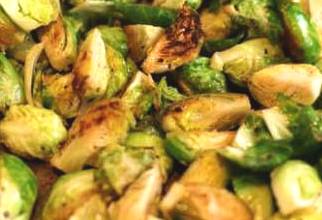
brussel-sprouts, roaste

  • 1 1/2 lbs. organic Brussels sprouts, ends trimmed and yellow leaves discarded

  • 2 Tbs. virgin Olive Oil

  • 1 tsp. Sea Salt

  • 1/2 tsp. freshly ground Black Pepper

  • 1 tsp. Paprika

  • 1/2 tsp. organic Garlic Powder or 2 cloves well mashed

  • 4 Tbs. lemon juice

Rinse Sprouts trim off ends and place in a large bowl. Blend the spices together with the oil and lemon. Pour this over the sprouts and toss until well coated.

Place in oven proof dish or cookie sheet lined with parchment, and roast at 400ºF for 35 minutes or until lightly golden.

Braise them

Braising, or slow cooking in liquid on the stove, is a great way to elicit Brussels sprouts' natural, nutty flavor.

The Most Delicious Non-dairy Ice Cream!

Two new yummy words: ASHTA and MASTIC GUM.

Ashta is the creamy foundation of many Lebanese Desserts. It is made with either dry milk, or for a richer flavor half and half. It is used as a filling in shredded phyllo desserts, and in pastry. It is also served as a dessert with nuts, or frozen.

Lebanese Ice Cream

Lebanese ice cream contains mastic gum, which lends it a gelato-like texture. It comes in a myriad of flavors and is served in narrow cones.

Mastic Gum

This is a resin made from the pistacia lentiscus tree. The mastic plant originated in the Mediterranean nations in the south of Europe, northern portions of Africa, and the Middle East. The gum has a variety of uses in cooking, art, and alternative medicine.

For cooking, mastic gum requires boiling in hot water or another liquid, because the hardened resin will not dissolve in cold water. It comes in 'crystals' and can be crushed into a powder to add to puddings.

mastic gum

  • 1 pint organic Vanilla Plant-based Ice Cream

  • 1/4 c. Orange Blossom water

  • 1/4 c. Rose water

  • 1 c. finely chopped Pistachios

  • 1/2 tsp. crushed Mastic gum

Crush the Mastic gum in a mortar and pestle till it becomes very fine (powdery).

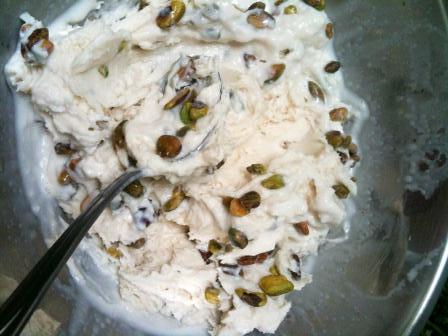
Transfer ice cream to a bowl.  Add the flavored waters, mastic and 3/4 of the pistachios.

Mix well, but quickly so as not to melt the ice cream.

Transfer to a glass baking dish. Sprinkle remaining pistachios on top. Cover with wax paper and freeze for 2 hours or overnight.

You may cut into squares and store in a freezable container. 

The Problem With Diets

First watch this short video...

What Diet? 

whatever you are eating now means You are already on a diet. But What is it?

Is the food you eat every day supporting what your cells need to do their job of keeping you alive and healthy? OR are your food choices slowly and silently robbing your cells and organs of the very nutrition they need to function?

We think we’re ok on a diet that includes processed food, sugar, regular alcohol consumption, empty carb calories, fast food, etc… because we have no symptoms.
Symptoms will show up, give them time… the storm is already brewing, it just hasn’t come to shore yet. Ignoring this reality is why we are consistently caught by surprise when we are “suddenly” diagnosed with an imbalance or disease.

The deterioration of our immune system or physical functions happens slowly, over time. Don’t kid yourself, that you are fine just because you don’t ‘feel’ anything and the routine blood tests (which barely cover all the necessary information to asses the body’s health status) look pretty good.

You have only 2 choices… eating living, organic nutritious foods or not. If not, you cannot be surprised if 5 - 10 years down the road your doctor has bad news. Whether we want to experience a healthy life after 60, or take our chances to purely please our palate is really up to each of us.

Don’t go on a “DIET” for a few months thinking that will have any lasting effect, instead live a Lifestyle that supports wellness for the rest of your life.

Liver and Kidney Problems Linked to GMO Food?

Genetically engineered food has yet to be proven safe.

In 1998, the U.S. Food and Drug Administration (FDA) admitted in court that it had reached "no dispositive scientific findings" about the risks of genetically engineered foods.

There is no scientific consensus about the risks of eating genetically engineered food, according to a statement last year signed by nearly 300 scientists.

The scientists agree that "Concerns about risks are well-founded" and that a "substantial number" of "animal feeding studies and reviews of such studies...found toxic effects and signs of toxicity" in animals fed genetically engineered food, compared with controls.

"Some of the studies give serious cause for concern," the scientists write.

>> Genetically engineered crops have led to increased use of pesticides.

>> Mutating weed resistance is requiring the Monsantos to sell even more powerful herbicides. 

>> The Big 6 chemical and seed companies are working diligently to monopolize the food system at the expense of consumers, farmers and smaller seed companies.

>> Industry is spending lavishly against the food movement.

~~~~~     The above excerpt is from a recent article written by consumer advocate Ralph Nader

It is well worth 5 minutes to read it, and to forward, blog or tweet about it.

Every State needs to fight for our right to know what's in the food we eat and feed our children.

~ Be Well.

Collusion Between Government and Multi-national Firms re: GMO Foods

any doubt that NO ONE is looking after Consumer Health?

Would you agree that most products not in fresh grocery isles contain ingredients that are making us a sicker nation than ever before?

The U.K. Daily Mail has published a report revealing  - emails between civil servants and the GM industry as they worked together on a media strategy to win over consumers skeptical about so-called Frankenstein Food (genetically modified).

Don't be fooled that this isn't common practice in the U.S.  Monsanto, and other corporations selling you food contaminated with toxic ingredients, own the politicians who make decisions about what you eat and what you are led to believe is ok to consume.

Details of the emails have been made public after Freedom of Information requests by lobby group GeneWatch, which said the public would be shocked at the level of collaboration.

Environment Secretary Owen Paterson has pushed for faster approval of new crops and lobbying for public support.

Significantly, he decided to lobby the EU to allow biotech crops to be planted in Britain even if they are banned elsewhere.

...Often these exchanges coincided with major announcements by ministers which shifted Government policy to support GM, despite clear opposition among consumers."

Read more: http://www.dailymail.co.uk/news/article-2621058/Secret-emails-reveal-ministers-plotted-GM-lobbyists-Documents-two-worked-campaign-win-sceptical-consumers.html#ixzz313tSDtqj

PLEASE Stand up for your right to know what's in your food.

STOP buying GMO foods and produce tainted with pesticides and antibiotics!

Soon Even 'ORGANIC' Won't Mean Anything

Many of us don't have time to follow every issue we're concerned about...

That's what emboldens policymakers and lobbyists to push their agendas through.. if no one objects, no one is accountable.

It's one of the prime reasons our 'food' is in the state it's in today...processed, full of synthetic additives, non-organic, and nutrition-devoid.

__________

Takeover of Organic Standards by Corporate Food Industry

Champions of organic food brought the National Organic Standards Board (NOSB) meeting to a halt on Tuesday as they raised their voices against what they see as the takeover of the organic standards by the corporate food industry.

The NOSB—an advisory board to the USDA  and designed to represent farmers, consumers and other advocates of organic food—is charged with overseeing organic standards and presenting recommendations to the federal government.

In recent years, however, critics charge the quality and integrity of the national organic standards set by the NOSB have been eroded by the influence of a large agricultural interests and powerful corporations in the food industry.

In order to delay the opening of a four-day meeting in San Antonio, Texas, demonstrators stood at the front of the conference room displaying a banner which read: "Safeguard Organic Standards."

Sunset Process

Tuesday's protest, organized by the Organic Consumers Association (OCA), was held to draw attention to what the group is calling the "last straw" in the corporate-backed erosion of organic standards: a recent change to what is known as the "sunset process," which determines the synthetic ingredients that are permitted in organic foods.

Mark A. Kastel, co-director of The Cornucopia Institute stated,  "agribusiness" and corporate food companies "had their minions at the U.S. Department of Agriculture" change the rules in order to push "gimmicky synthetics and nutraceuticals in organic food."

One protester, Alexis Baden-Mayer, the political director for OCA, refused to disperse and was eventually placed under arrest and carried out.

Synthetics in Organic Food!

A recent Consumer Reports survey found that 7 out of 10 Americans want as few non-organic ingredients approved for organic food as possible,

  "People don't have time to follow the wonky policy decisions, so it's easy for standards to be eroded without them knowing about it."

The 'sunset process' required that non-organic food materials approved by the NOSB for use in organic foods—such as sausage casings from factory-farmed animals, synthetic vitamins, and the antibiotic streptomycinmust be reviewed every five years.

Unless re-approved by a two-third majority vote, the items would be dropped from the list.

READ MORE HERE: http://www.organicconsumers.org/articles/article_29914.cfm

Please get involved to protect our children's world and health!

Are You at Risk? Find Out in a Minute.

Metabolic syndrome is a precursor to diabetes, kidney disease, cancer and coronary artery disease.. and its symptoms are silent.. elevated blood pressure, insulin abnormalities, high cholesterol, and albumin in your urine.

However, there is an easy way to find out now.

A Simple Test  - Dr. Stephen Sinatra

Wrap a cloth tape measure around your abdomen, just above the hip bone. Keep the tape snug and measure your waist while breathing out, with your abdomen relaxed.

These waist sizes indicate metabolic syndrome:

  • 35 inches + for a woman

  • 40 inches + for a man

Belly fat is both unsightly and harmful.

This particular fat secretes a steady stream of chemicals that kindle inflammation throughout the body, damaging the lining of arterial walls, including the coronary arteries and blood vessels in the kidneys.If you are at risk, have your doctor run the necessary blood tests.

Read more here.

 ~ Be Well! ♥

CANCER is BIG BUSINESS - NonToxic Cures Hushed Up

Within weeks, Fatal BRAIN TUMORS disappear, patients go into remission, with no toxic chemicals and debilitating side effects.

Why doesn't every Cancer patient have access to this knowledge?

Why don't we know of medically proven treatments that pose 1/10th or 0% of the risk of Chemotherapy and Radiation??

CANCER is BIG BUSINESS!

The FDA is NOT going to stand up to Big Pharma... BUT WE CAN!!

For a more detail: Watch Part I of the remarkable story of Stanislaw Burzynski, MD, PhD who boldly challenged the Food and Drug Administration for his right to begin FDA-approved clinical trials on a breakthrough cancer treatment he developed.

Dr. Stanislaw Burzynski won the largest, and possibly the most convoluted and intriguing legal battle against the Food & Drug Administration in American history.

One form of cancer – diffuse, intrinsic, childhood brainstem glioma has never before been cured in any experimental clinical trial in the history of medicine. Antineoplastons hold the first cures in history – dozens of them.

This documentary takes us through the treacherous, yet victorious, 14-year journey both Dr. Burzynski and his patients endured in order to obtain FDA-approved clinical trials of Antineoplastons.

Dr. Burzynski: Part I - Cancer Is Serious Business: Documentary (2010)

~ Be Well  ♥

Critical Functions of Vitamin D

the importance of certain vitamins and minerals in cancer inhibition and better prognosis.

What is Vitamin D?

Vitamin D is technically not a vitamin. It is the name given to a group of fat-soluble prohormones (substances that are precursors to hormones that usually have little hormonal activity by themselves). This supplement must be taken with K2, to direct the calcium it builds into bone only.

Two major forms of vitamin D that are important to humans are vitamin D2, or ergocalciferol, and vitamin D3 or cholecalciferol. Vitamin D2 is made naturally by plants, and vitamin D3 is made naturally by the body when the skin is exposed to ultraviolet radiation (in particular, UVB radiation) in sunlight. Vitamin D2 and vitamin D3 can also be commercially manufactured.

The active form of vitamin D in the body is 1,25-dihydroxyvitamin D. It is involved in a number of processes that are essential for good health, including the following:

  • It helps improve muscle strength and immune function.

  • It helps reduce inflammation, (critical for Cancer).

  • It promotes the absorption of calcium from the small intestine.

  • It helps maintain adequate blood levels of the calcium and phosphate needed for bone formation, incorporating minerals to increase strength and density, growth, and repair.

For years, Life Extension has been exploring the potentially devastating consequences of vitamin D deficiency, ranging from cardiovascular disease to cancer. Now in this report, Life Extension magazine examines the link between low levels of plasma vitamin D and autism. At the forefront of this research is Dr. John J. Cannell, executive director of the Vitamin D Council and a forensic psychiatrist at Atascadero State Hospital in California.

The stunning findings suggest that rampant vitamin D deficiency is causally related to brain dysfunction, and may be readily preventable by adequate supplementation.

An epidemic of autism appears to be underway in the United States. According to several respected leaders in child and adult nutrition from across the United States, the current meteoric rise in autism and autism spectrum disorders (ASD) may well be a direct consequence of significant vitamin D deficiencies in pregnant women and their infants.  And evidence points to vitamin D deficiency as the cause of other debilitating brain conditions as well.  This insidious deficiency is readily remedied--yet tragically often missed. 

Read More Here...

Most people get the vitamin D they need through sunlight exposure. It can also be obtained through the diet, but very few foods naturally contain vitamin D. Those that do include fatty fish, fish liver oil, and eggs. 

Most dietary vitamin D comes from fortified foods, such as milk, juices, yogurt, bread, and breakfast cereals. Vitamin D can also be obtained through dietary supplements.

How Vitamin D Reduces the Risk of Cancer

The mechanisms by which vitamin D reduces the risk of cancer are fairly well understood. They include enhancing calcium absorption (in the case of colorectal cancer) [Lamprecht and Lipkin, 2003], inducing cell differentiation, increasing cancer cell apoptosis or death, reducing metastasis and proliferation, and reducing angiogenesis [van den Bemd and Chang, 2002].

In addition, Vitamin D3 down-regulates parathyroid hormone (PTH) [Chapuy et al., 1987]. IGF-I has been implicated in the pathogenesis of human cancer. Since IGF-I stimulates tumor growth and high quantities are a consequence of the standard American diet [Grant, 2002a; 2004], vitamin D can be considered one partial antidote to the American diet.

How Much Vitamin D is needed?

Each person responds differently to UVB exposure and oral intake of vitamin D depending on such factors as skin pigmentation, body mass index (vitamin D is fat soluble), age, condition of digestive tract, other dietary factors, etc.

Dietary vitamin D is insufficient alone to significantly reduce the risk of most cancers since the ingested amounts, up to 200 to 400 I.U. per day, are too low [Grant and Garland, in press]. Evidently, 600 to 1000 I.U per day are required to reduce the risk of vitamin-D-sensitive cancers, except possibly prostate cancer, for which population-average values of serum 25(OH)D are associated with the minimum risk [Tuohimaa et al., 2004; Grant, in press].

The current understanding is that serum 25(OH)D levels should be in the 50 to 70 ng/ml range for cancer prevention and optimal health. The only way to determine one’s 25(OH)D levels is through a blood test.

NOTE: Taking Melatonin supplements allows a reduced dose of Vit. D since they produce a 20 to 100-fold INCREASE in the sensitivity of Breast Cancer cells to Vit. D. This is why periodic blood test to determine Vit. D (25 Hydroxy) level is important.

References:

  1. Chapuy MC, Chapuy P, Meunier PJ. Calcium and vitamin D supplements: effects on calcium metabolism in elderly people. Am J Clin Nutr. 1987;46:324-8.

  2. Devesa SS, Grauman DJ, Blot WJ, Pennello GA, Hoover RN, Fraumeni JF Jr., Atlas of Cancer Mortality in the United States, 1950-1994. NIH Publication No. 99-4564, 1999. website (accessed March 3, 2004).

  3. Doll R, Peto R. The causes of cancer: quantitative estimates of avoidable risks of cancer in the United States today. J Natl Cancer Inst. 1981;66:1191-308.

  4. Garland CF, Garland FC. Do sunlight and vitamin D reduce the likelihood of colon cancer? Int J Epidemiol. 1980;9:227-31.

  5. Garland C, Shekelle RB, Barrett-Connor E, Criqui MH, Rossof AH, Paul O. Dietary vitamin D and calcium and risk of colorectal cancer: a 19-year prospective study in men. Lancet. 1985;1:307-9.

  6. Grant WB. An estimate of premature cancer mortality in the United States due to inadequate doses of solar ultraviolet-B radiation, Cancer, 2002b;94:1867-75.

  7. Grant WB. A multicountry ecologic study of risk and risk reduction factors for prostate cancer mortality. Eur Urol. 2004;45:371-9.

~ Be Well. ♥

When Supplements Become Dangerous

It's important to remember that Supplements are powerful, which is why we take them of course. But what we don't often think about is their potential interaction with prescription medications we are also taking.  Based on the meds I am taking, my MD probably couldn't tell me what Supplements to avoid, unless they were obvious ones. Do your research!

Supplements can increase the effect of some medications or inhibit the effectiveness of others. They may interact in a way that is less than desirable, so it's important to tell you doctor when you are thinking of adding supplements, and if she/he isn't sure about interactions, turn to the a reliable internet source, or better yet, an Anthroposophic or CAM practitioner.

Below is a list of some common Supplements and possible interactions.

Aloe

Aloe Vera

Major interaction: Digoxin (Lanoxin)

When taken by mouth, aloe latex is a type of laxative called a stimulant laxative. Stimulant laxatives can decrease potassium levels in the body. Low potassium levels can increase the risk of side effects of digoxin (Lanoxin).

Taken orally, aloe vera may also interact with blood sugar-lowering medicine used to treat Diabetes.

Bitter Orange

This supplement contains chemicals that can speed heart rate and increase blood pressure to dangerous levels.

  • There have been reports of fainting, heart attack, and stroke in healthy people after taking bitter orange supplements alone or combined with caffeine. People should avoid taking bitter orange supplements if they have a heart condition or high blood pressure, or if they are taking medications (such as MAO inhibitors), caffeine, or other herbs/supplements that speed up the heart rate.

  • Due to lack of safety evidence, pregnant women or nursing mothers should avoid products that contain bitter orange.

  • Bitter orange oil used on the skin may increase the risk of sunburn, particularly in light-skinned people

Gingko Biloba

Ginkgo

Ginkgo biloba interactions include bleeding when combined with Warfarin, raised blood pressure when combined with a Thiazide diuretic and coma when combined with the anti-depressant Trazodone (Desyrel, Oleptro, Beneficat, Deprax, Desirel, Molipaxin, Thombran, Trazorel, Trialodine, Trittico, and Mesyre).

Ginseng

Major Interaction: Warfarin (Coumadin)

Warfarin (Coumadin) is used to slow blood clotting

American ginseng has been reported to decrease the effectiveness of Warfarin (Coumadin). Decreasing the effectiveness of warfarin (Coumadin) might increase the risk of clotting. Do not take American ginseng if you take warfarin (Coumadin).

Moderate Interaction: Medications for depression (MAOIs) andAnti-diabetes drugs

American ginseng might stimulate the body. Some medications used for depression can also stimulate the body. Taking American ginseng along with these medications used for depression might cause side effects such as anxiousness, headache, restlessness, and insomnia.  Some of these medications used for depression include phenelzine (Nardil), tranylcypromine (Parnate), and others.

American ginseng might decrease blood sugar. Diabetes medications are also used to lower blood sugar. Taking American ginseng along with diabetes medications might cause your blood sugar to go too low. Monitor your blood sugar closely. Medication dose might need to be changed.  Some medications used for diabetes include glimepiride (Amaryl), glyburide (DiaBeta, Glynase PresTab, Micronase), insulin, pioglitazone (Actos), rosiglitazone (Avandia), chlorpropamide (Diabinese), glipizide (Glucotrol), tolbutamide (Orinase), and others.

Kava

In March 2002, the U.S. Food and Drug Administration (FDA) issued an advisory to consumers of the potential risk of severe liver injuryfrom the use of dietary supplements containing kava (also known as kava kava or Piper methysticum). Reports from health authorities in Germany, Switzerland, France, Canada, and the United Kingdom have linked kava use to at least 25 cases of liver toxicity, including hepatitis, cirrhosis, and liver failure, prompting some of these countries to remove kava from the market.

Avoid driving and operating heavy machinery while taking kava because the herb has been reported to cause drowsiness.

Licorice Root

  • People with heart disease or high blood pressure should be cautious about using licorice.

  • When taken in large amounts, licorice can affect the body’s levels of a hormone called cortisol and related steroid drugs, such as prednisone.

  • Pregnant women should avoid using licorice as a supplement or consuming large amounts of licorice as food, as some research suggests it could increase the risk of preterm labor.

Melatonin

Major Interaction:Sedative medications (CNS depressants)

Melatonin might cause sleepiness and drowsiness. Medications that cause sleepiness are called sedatives. Taking melatonin along with sedative medications might cause too much sleepiness. Some sedative medications include clonazepam (Klonopin), lorazepam (Ativan), phenobarbital (Donnatal), zolpidem (Ambien), and others.

Moderate Interaction:

Birth control pills (Contraceptive drugs)

The body makes melatonin. Birth control pills seem to increase how much melatonin the body makes. Taking melatonin along with birth control pills might cause too much melatonin to be in the body. Some birth control pills include ethinyl estradiol and levonorgestrel (Triphasil), ethinyl estradiol and norethindrone (Ortho-Novum 1/35, Ortho-Novum 7/7/7), and others.

Caffeine

Caffeine might decrease melatonin levels in the body. Taking melatonin along with caffeine might decrease the effectiveness of melatonin supplements.

Fluvoxamine (Luvox)

Taking fluvoxamine (Luvox) can increase the amount of melatonin that the body absorbs. Taking melatonin along with fluvoxamine (Luvox) might increase the effects and side effects of melatonin.

Medications for diabetes (Antidiabetes drugs)

Melatonin might increase blood sugar. Diabetes medications are used to lower blood sugar. By increasing blood sugar, melatonin might decrease the effectiveness of diabetes medications.  Some medications used for diabetes include glimepiride (Amaryl), glyburide (DiaBeta, Glynase PresTab, Micronase), insulin, pioglitazone (Actos), rosiglitazone (Avandia), chlorpropamide (Diabinese), glipizide (Glucotrol), tolbutamide (Orinase), and others.

Medications that decrease the immune system (Immunosuppressants)

Melatonin might increase the immune system. Taking melatonin along with medications that decrease the immune system might decrease the effectiveness of medications that decrease the immune system.   Some medications that decrease the immune system include azathioprine (Imuran), basiliximab (Simulect), cyclosporine (Neoral, Sandimmune), daclizumab (Zenapax), muromonab-CD3 (OKT3, Orthoclone OKT3), mycophenolate (CellCept)...

Medications that slow blood clotting (Anticoagulant / Antiplatelet drugs)

Melatonin might slow blood clotting. Taking melatonin along with medications that also slow clotting might increase the chances of bruising and bleeding.

For Full list Click Here.

St. John's Wort

Photo by Elizabeth J. Czarapata. Click for an enlarged version.
  • Research has shown that St. John’s wort interacts with many medications in ways that can interfere with their intended effects. Examples of medications that can be affected include:

    • Antidepressants

    • Birth control pills

    • Cyclosporine, which prevents the body from rejecting transplanted organs

    • Digoxin, a heart medication

    • Indinavir and possibly other drugs used to control HIV infection

    • Irinotecan and possibly other drugs used to treat cancer

    • Seizure-control drugs, such as phenytoin and phenobarbital

    • Warfarin and related anticoagulants.

Taking St. John’s wort with certain antidepressants may lead to increased serotonin-related side effects, which may be potentially serious.

For more Info Click Here.

Vitamin K

Warfarin (Coumadin) interacts with VITAMIN K: Vitamin K is used by the body to help blood clot. Warfarin (Coumadin) is used to slow blood clotting. By helping the blood clot, vitamin K might decrease the effectiveness of warfarin (Coumadin). Be sure to have your blood checked regularly. The dose of your warfarin (Coumadin) might need to be changed.

Yohimbe

  • Yohimbe has been associated with high blood pressure, increased heart rate, headache, anxiety, dizziness, nausea, vomiting, tremors, and sleeplessness. Yohimbe can be dangerous if taken in large doses or for long periods of time.

  • People should not combine yohimbe with MAO inhibitors as effects may be additive. Yohimbe should be used with caution when taken with medicines for high blood pressure, tricyclic antidepressants, or phenothiazines (a group of medicines used mostly for mental health conditions such as schizophrenia).

  • People with kidney problems and people with psychiatric conditions should not use yohimbe.

  • Women who are pregnant or breastfeeding should not take yohimbe.

Zinc

FDA notified consumers and healthcare professionals to discontinue use of three Zicam Nasal Gel/Nasal Swab products sold over-the-counter as cold remedies because they are associated with the loss of sense of smell that may be long-lasting or permanent. The FDA has received more than 130 reports of loss of sense of smell associated with the use of the three Zicam products.  In these reports, many people who experienced a loss of smell said the condition occurred with the first dose; others reported a loss of the sense of smell after multiple uses of the products.

Conversely, if you are taking any of the following drugs, see cautions below.

Aspirin

Aspirin DEPLETES Folic Acid, zinc, potassium, vitamin C and iron. Avoid higher doses of the following if you take Aspirin. Vitamin E,. Bromelain, Garlic, Ginger, Magnesium, Ginkgo, all which act as blood thinners and thus could cause bleeding.

Ativan

Avoid any herbs that act as a sedative, like Kava Kava, Lemon Balm, Calif. Poppy, St. John's Wort or Valerian.  Exception: Melatonin.

Lisinopril

This also DEPLETES Zinc, which could lead to an increase in blood Copper levels and foster cancer angiogenesis and progression. Zinc supplements are encouraged if taking this medicine.

Lovastatin

Statins DEPLETE CoQ10, a nutrient needed for healthy muscle, heart and brain function. AVOID Red Yeast supplements with this drug.

Take Fiber supplements 1 - 2 hours away from this med to avoid reducing its absorption.

Niacin taken in large doses with this drug has been reported to cause potentially serious muscle disorders. Bu taking a low dose (500mg) actually enhances the effectiveness of the Statin drug. IT may also be beneficial to take Vitamin E with this drug to prevent the possibility of oxidative damage to LDL cholesterol.

Nadolol

DEPLETES CoQ10. Supplementation is recommended.

What If? - Why Statistics Shouldn't Scare You!

One of the most routine pieces of information that the medical industry, for it is an industry, throws at us is a Statistic. Statistics are there to show you how likely you are to contract some disease, to have a boy or girl, to getting a divorce, or find a new job.  There seem to be so many studies that we now have a statistic for everything...including how many times you're likely to blink in a minute! How could we go on without that piece of data?

We have to be honest though; we like them. We quote them to others to deter them from some decision or action. If they favor us, we advertise them.

Statistical tables

Well, one thing I surely learned from taking Statistics in Grad School, is that if you manipulate data just right...you can come up with a number of statistics... and not all will agree.  In other words, much of data can be manipulated to show the statistic you are after.

And yet, without statistics we're loathe to trust information lest it merely be opinion.

Let's think about that for a minute.  I'm going to go out on a limb and ask... is there anything truly that is more than opinion?To be tagged a trusted statistic, the number must be based on factual data... that may or may not hold up in time.

How much time is long enough? 5 years worth of data? 20 years? Up until such time as new data is discovered?

Some of you are going to gasp in horror, shake your heads in dismay, and remind me about all the theories we accept as truth since they are based on scientific FACTS! You know the proven, repeatable, unbiased, honest-to-goodness, theories.

Bar Graph

Hmmm... can you think of something we believed to be true for decades that was later dis-proven?  I mean besides the Earth being flat, and that the Sun rotates around the Earth.

How about:

There are 109 Elements in the Period Table New information: Since 1994, six new elements have been discovered.

or:

The first mammals evolved about 155 million years ago. New information – “The shrew-like animal would have run under the feet of dinosaurs at the start of the Jurassic period, nearly 195 million years ago … Hadrocodium wui pushes back by another 40 million years its first appearance in the fossil record.”.

Here are a couple of sites just for fun...

1. Medical Facts that Have Been Proven to be Wrong

2. What Scientific Laws or theories have been proven wrong?

All this is to say that as we add new information to our data, our statistics or theories have to change.  With me so far?

Ok, here's the "WHAT IF"...

Let's go back to the Medical Industry... that slow to move, slow to assimilate new information, give me 3 - 10 years of similar data before I can make a decision, industry.

  1. Medical statistics in the West are based on Western Medicine's view of valid data.  Yes?

  2. In the U.S. and even more so abroad, many, many people incorporate "alternate"  methods into their every day or healing regimen. Yes?

  3. When a patient visits a traditional medical practitioner, their condition is assessed from a "symptom" and "data I learned about that symptom" perspective. Yes?

  4. A patient is hardly ever asked what their eating habits, supplementation, attitudes and belief's are as part of the standard, one size fits all data sheet they fill out.  Yes?

  5. A diagnosis is based on those symptoms (I am trying to distinguish these from causes of illness) and on scientific data, clinical that is.  Yes?

  6. You are then given a statistic if relevant to your situation, and with Cancer patients, boy are we happy to quote statistics.  Yes?

  7. You leave programmed with the belief that you will fall in one of those statistical groups, and left to wonder which it will be... because you really have no control over that...it will depend on how your 'disease' responds to treatment. Yes?

Here's my belief and something you should think about seriously

To make things simple I'm going to choose two people to illustrate my theory. We're going to name them B and K.

B and K have recently had mammograms that show a small mass in one of their breasts. B and K are informed they should have biopsies.

B is conservative, has not done a lot of thinking about health trends or a lot of research about cancer treatment approaches.  She is a believer in Traditional medicine and trusts that her Oncologist has all the answers.

B opts for a needle biopsy, since she is assured they are safe.

K is progressive, she is a hiker, has acupuncture for benign symptoms and  is very interested in nutrition and Eastern medicine. She immediately scours the Internet for the latest news in Breast Cancer research.

B doesn't want a needle biopsy.  She can't believe it's 100% safe, since in her mind there is no way that pulling a needle filled with cancer cells isn't going to leave a few of those microscopic cells along the needle path. She opts for a lumpectomy.

They have the same type of cancer, and their Oncologist suggests the traditional Chemo drugs for that type, followed by a course of radiation. The statistics are shared with each of them... since they were both caught early there is a 78% chance that nothing will develop, and a 22% chance of recurrence. Chemo adds another 5-6% benefit.

For our example, they both choose to have Chemo.

They both meet with the resident Nutritionist who tells them about foods and supplements to avoid during treatment, and how to modify their diet for cancer prevention.  He gives each a handout about Chemo side effects and some suggestions to alleviate them (most are drugs to take).

K leaves feeling down, a little overwhelmed by the information and the changes she has to make.  Her husband is supportive and upbeat, and her sister is distressed, a little worried about her own fate now. K's home is comfortable, clean and in a suburban neighborhood. K has two children, 14 and 16, and a small dog. Her brother has left her a message on her answering machine encouraging her to talk to a Doctor he trusts before making a decision.

B leaves feeling anxious to get home so she can initiate a search for a Complimentary Therapy practice.  Her boyfriend sends a few emails to solicit info from friends.  They live in a two-story condo and have custody of his 12-year-old son. The house is a little messy, but furnished tastefully.  Flowers stand in a vase in the living room, and a parakeet in a large cage near the patio door. Two of B's friends are waiting for her when she arrives...each has brought a gift from the Farmer's market.  They cook lunch together while she tells them what her approach is going to be.

K and B go through the same treatment cycle.

I m not sure...

K

takes the suggested meds for side effects.  Eats well and tries to be positive. Her husband goes to most of the sessions with her, alternating with her concerned sister.  K suffers from fatigue, has a rather emotional reaction to her hair loss, and is cautiously optimistic.  She walks for 20 minutes most days and tries to act brave in front of her sister so as not to worry her.  Her kids are taking things well and help around the house.

No one suggests she have alternate types of care during the course of her treatment. She's not sure she trusts acupuncture, when a friend mentions it.

B

finds and consults with a Nutritional Oncologist. She immediately starts on a long list of supplements each specifically targeted to either support her immune system, help the Chemo be more effective by unmasking cancer cells, or counteract the side effects. She continues acupuncture to move the toxins out as quickly as possible and alleviate nausea, and joins her two friends in a Yoga class twice a week.

Her boyfriend sets up a rotating meal prep schedule with some of their friends, so that for the 4 days after Chemo they don't have to worry about cooking.  They give each cook an approved ingredient list. He makes sure B has plenty of uplifting books to read, is ready with an amusing story when he gets home, and the three watch funny movies after dinner and homework are done.

Pretty woman

B meditates, is determined to move through this process and into a healthier body, and goes out with the girls to shop for a crazy wig when her hair falls out.

Outcomes

A year and a half later, K has a recurrence almost in the exact same spot as her previous tumor. She opts for a mastectomy and new course of treatment. She mostly sticks with her diet, and takes a few standard vitamins.

B on the other hand, is an active volunteer in the Cancer Wellness Community 3 days a week after work. She has completely changed her lifestyle and eating habits and continues with a maintenance Supplement regimen per her Nutritional Oncologist.  Her friends, inspired by her, have cut out some of the bad foods they used to indulge in. She has one more scan in 6 months and will proclaimed Cancer-Free.

And What do the Statistics Say?

K and B's Oncologist, ignorant of all the ingredients that went into each woman's healing process, chalks one person up as benefiting from the XYZ Chemo combination, and one woman needing a second round with XQW treatment, and per statistics not as good a prediction for long-term cancer-free survival.

Where are the Stats that take into account the needle biopsies vs. lumpectomy?

Where are the Stats that traces eating habits and the effect of well-studied supplementation?

And where are the Stats that show how one's attitude and faith skew the odds in one's favor?

Where are so many of the potentially high-impacting variables accounted for in the Medical Industry data?

No where.

And so from my heart I say:

  1. You are not a Statistic.

  2. You are in charge of your healing process.

  3. Educate yourself and be open-minded.

  4. Surround yourself with happy, positive people.

  5. Don't mess with the recommended Cancer Diet, it's Medicine!

  6. Cultivate an unshakeable faith in your ability to heal

  7. You are NOT your illness... it is passing.

  8. Laugh, laugh, laugh... It really IS the Best Medicine!

~ Be Well. ♥

Guaranteed to Raise Your Antioxidant Level

It is rare to find a company that has enough research behind their product that they can offer a money-back guarantee if it does not perform. Depending on the supplement you are taking, it's not always an easy task to discover if you're getting the full benefit from what you're taking.  With Vitamins like D, you can do a blood test, but when your goal is to raise your antioxidant levels, testing how well  you're doing can be costly.

What Depletes Antioxidants Stored in our Body?

Many things contribute to the depletion of antioxidants in our bodies...stress, smoking, lack of good digestion, too much exercise, infection, etc.

Vitamin C fights free radicals in body tissues and blood plasma, while vitamin E protects fat-rich molecules, such as LDL and HDL cholesterol, and fat cells from oxidation. This effort to protect the body results in the depletion of vitamin C and E in body stores.

Our bodies store antioxidants for use when we need them.  If we are not storing enough, we are less likely able to fight off inflammatory diseases like diabetes, heart disease and cancer. Eating a balanced diet with 5 to 10 servings of fruits and vegetables every dayto obtain maximum levels of dietary antioxidants is recommended, but not always achievable.

To boost your vitamin E levels, include whole grains, nuts and seeds, egg yolks and vitamin E- fortified foods in your diet. Consult your doctor about vitamin supplementation.

Choosing an Antioxidant Supplement

Choosing an antioxidant supplement — You want to make sure the manufacturer uses pure ingredients from a trusted source, organic when possible, has both their own and third-party research behind the formulas, and is reputable.

There are a handful of companies that meet these criteria, but only one I know of that also offers a money back guarantee.

Lifepak Nano is a proprietary innovation in anti-aging protection with advanced bio-availability and maximum benefits. It is manufactured by NuSkin / Pharmanex, one of the leading anti-aging research companies.

Lifepak Nano is their star supplement, which exhibits rather exceptional results. If you are considering a comprehensive Vitamin/Mineral/Flavonoid supplement, consider this product.

  • Specific purpose to guard against the ravages of aging each day of your lifespan*

  • Superior bio-availability with CR-6 LipoNutrients™ enhances uptake from the gut into the bloodstream and body for maximum anti-aging benefits*

  • Advanced anti-aging formula helps protect the body with key nutrients such as NanoCoQ10™ and nano carotenoids*

  • Helps maintain normal inflammatory responses in the body*

  • Feeds and helps protect the brain with DHA and EPA*

  • Offers superior DNA protection against damaging free radical attacks by providing the body with important antioxidants and phytonutrients such as alpha-lipoic acid and catechins*

  • Protects cell health with an antioxidant defense network*

  • Helps protect cardiovascular health with a comprehensive blend of omega-3 fatty acids and other nutrients

  • Provides comprehensive bone nutrition support*

  • Promotes healthy immune function*

  • Supports normal blood sugar metabolism*

  • Corrects nutritional deficiencies*

~ Be Well! ♥

How and Why to Get Moving - and an Introduction

 In my post titled How My journey Began - Part 1, I mentioned a number of outstanding CAM specialists that I had the good fortune to consult with about treatment, nutrition, supplements and lifestyle changes necessary for good health and healing.

One of those practitioners is Dr. Moshe Frenkel, who is the founder and  director of Integrative Oncology Consultants.

He is a clinical Associate Professor at the University of Texas and board-certified family physician with extensive experience in complementary and integrative medicine. In addition, he serves as the Chair of the Clinical Practice Committee of the Society of Integrative Oncology and is faculty of the Center for Mind Body Medicine.

Prior to directing Integrative Oncology Consultants, Dr. Frenkel was the medical

Director of the Integrative Medicine Program at M.D. Anderson Cancer Center in Houston Texas. Dr. Frenkel founded the first Integrative Medicine clinic in this center.

My phone consultation with him was preceded by filling out a form that gave him insight into my feelings, my goals, my fears and my current state of health. In other words, he was going to speak to me as a whole person, not as an illness. That fact alone raised my faith in the relevance of our dialogue.

Dr. Frenkel's clinic is overseas, but he still does phone consults.  If you know anyone facing treatment for cancer, please consider leading them to his website.  There are instructions to initiating a consultation there.  He was kind, thorough and generous with his time.

The following advice if directly from Dr. Frenkel's website.  I can't encourage you enough to get moving. 

~*~*~*~*~*~

People touched by cancer or a chronic illness are often advised by their doctor to avoid physical activity and rest as much as possible. But for cancer patients and survivors, regular moderate exercise can be a key in improving their quality of life. Recent research shows that exercise can benefit survivors throughout the cancer continuum.

It is important for a person with cancer to remain as physically active as possible. Not enough movement can result in loss of strength, function, and range of motion of the body. Exercise will help keep muscles functioning as well as improving energy levels and quality of life.

Exercise can also help during recovery from chemotherapy. While it may not be the first thing you want to do after chemo, research has shown that exercise helps battle cancer related fatigue.

Use the following tips to help you get started and keep you going.

  • Choose an exercise you enjoy.It’s easier to stick with a program if you enjoy it. Enjoy the outdoors? Start walking in parks around your neighborhood. Like to dance? Register for a ballroom dance class that gets you moving several times a week. Even if you can’t imagine yourself enjoying the exercise itself, do the exercise that has other rewarding attributes. For example, work out with friends so you can enjoy the social aspects of exercise.

  • Start slow. The U.S. Surgeon General’s Report recommends at least 30 minutes of moderate intensity activity on most (5 or more) days of the week. Moderate intensity is the intensity of a brisk walk. Your heart rate is elevated and you’re breathing faster than usual, but you’re not working so hard that you get worn out after a few minutes. When doing moderate intensity exercise you should be able to talk, but not sing.

Don’t begin by exercising for 30 minutes all at once. Start with shorter exercise sessions and work up to longer sessions gradually. You start with sessions as brief as 5 minutes. As you get stronger and develop the exercise habit, 5 minutes can easily become 10 minutes, then 15, and so on.

  • Break it up. If you feel like you don’t have time or energy for your full exercise session, divide it into shorter bouts. Three 10-minute exercise sessions are just as beneficial as one 30-minute session, and may be easier to fit into your schedule. Once you start though you may surprise yourself and want to continue going

  • Set short term, specific, and realistic goals. Remember that it takes many steps to get to the top of the mountain, and everybody has to do it one step at a time. Set realistic short-term goals for yourself, like exercising for 15 minutes on Monday, Wednesday, Friday, and Saturday this week. You can use these short-term goals to build up to longer term goals.

  • Monitor your activity. Many people find that it helps them to monitor their progress in writing. This can be as simple as keeping track of the days you exercise on a calendar posted on your refrigerator, or creating a graph of the amount of time you exercise each week so you can view your progress.

  • Don’t forget to reward yourself!  But lay off that ice cream as your reward. (Unless it's my recipe for Ashta Ice Cream!) As we listed exercise has numerous benefits, but many of them are longer term so they don’t reinforce behavior change right away. Identify some rewards you can give yourself when you accomplish your goals.

It’s probably easy to think of things to buy as a reward – you could put off buying that new CD, book, or new exercise outfit until you achieve your exercise goal. But your rewards don’t have to cost money. For example, you could reward yourself by taking time to call a friend you haven’t talked to in a while, or setting aside time to do an activity that you enjoy.

  • Don’t give up if you miss one or two session. Starting an exercise program, or increasing the amount of exercise you do, is an important step in developing a healthier lifestyle. However, making a lasting change in your life isn’t easy. Some weeks you will make your goals; others you might fall short. It is important to be persistent; if you don’t make your exercise goal, don’t se e that as a sign that you are not an "exerciser."

Examine your goals to make sure they are realistic, then make a plan for the next week. Whether you want to do a 5-minute walk or a fifty-minute walk, one of the most important habits you can acquire is planning when this walk will occur.

How much should I exercise?

The more intense an exercise, the shorter amount of time you need to exercise to get the same benefits. Similarly, you can do a lower intensity exercise for a longer amount of time to get the same benefits.

The average amount of time to spend on a moderate intensity activity is 150 minutes per week.

In the News: Integrative Medicine: Antioxidants and Chemotherapy

Share widely!

Antioxidants and Chemotherapy

By Drs. Kay judge and Maxine Barish-Wreden

Published: Thursday, May. 31, 2012

Inflammation, and the use of antioxidants to put out inflammatory fires, is a hot topic these days. What do we mean by inflammation?

Inflammation is a natural and necessary response in the body whenever we are accosted by harmful germs or when we injure ourselves. When this occurs, our immune system steps in to fight foreign invaders and to bring our body back into balance so that we can heal.

Inflammatory chemicals are produced during this process, which can be harmful to our tissues, but antioxidants in our foods, such as vitamins C and E, help to quell this response and restore order to our tissues.

Inflammation can run amok, however, and cause persistent damage to healthy tissue, especially if we smoke or if we are overweight or obese. Chemotherapy drugs that are used to treat cancer also produce severe inflammation in the body, and this particular inflammatory response helps to kill off cancer cells. But it also harms healthy tissue in the process.

Many oncologists have been fearful of having their patients take any antioxidants during chemotherapy for fear that antioxidants might reduce the effectiveness of the chemo.

In a recent article in the journal Alternative and Complementary Therapies, Dr. Keith Block, a renowned integrative cancer specialist affiliated with the University of Illinois, discussed his review of more than 2,300 studies on the use of antioxidants during chemotherapy, and his report is very reassuring.

In summary, antioxidants often help to reduce side effects from chemotherapy, and this may allow patients to complete their full course of medication without interruption, which itself leads to better outcomes. Certain antioxidants also enhance the effectiveness of chemotherapy, reduce long-term toxicity and improve survival.

Not a single study reviewed by Block showed any evidence of antioxidants interfering with the effectiveness of chemotherapy. In fact, a recent article looking at the impact of antioxidants in Chinese women undergoing treatment for invasive breast cancer found that use of antioxidant vitamin supplements in the first six months after diagnosis resulted in a reduced risk of both mortality and cancer recurrence.

Other studies have suggested survival benefit in certain cancers when patients take melatonin, as well as reduced toxicity from chemo with the use of glutathione and coenzyme Q10 among others.

So, if you are affected by cancer, what should you be thinking about to protect yourself during and after chemotherapy? First and foremost, begin by eating a super-healthful, plant-based diet that is loaded with dark-colored fruits and veggies so that you maximize your intake of antioxidants from your food, which is the most powerful way to get them.

You can also consider supplementing your diet with some of the more powerful antioxidants, such as fish oil, coenzyme Q10, vitamin C, vitamin E and selenium, though we recommend that you meet with an integrative cancer specialist first so that you can determine which supplements are ideal for you, given your particular tumor as well as your treatment regimen.

And for those of you who have been affected by cancer, either because you or a loved one have faced this disease, there is a conference coming to Sacramento in September that you should know about. It's titled "Cancer as a Turning Point, From Surviving to Thriving," and it is a gathering of some of the best and most inspiring experts in this business.

Cancer as a Turning Point is sponsored by the non-profit organization Healing Journeys, whose vision is that everyone touched by cancer or any life-altering condition be empowered to move from surviving to thriving. This conference is usually offered in two cities across the country every year.  The conference is free to all attendees, though donations are greatly appreciated to offset the cost, and donations are also tax-deductible. For more information, and to register, go to www.healingjourneys.org.

And for more information on an integrative approach to cancer treatment, look at Block's 2009 book "Life Over Cancer" (Bantam, $28, 608 pages) or Alschuler's gem that she co-wrote with Karolyn Gazella, "The Definitive Guide to Cancer: An Integrative Approach to Prevention, Treatment, and Healing" (Celestial Arts, $25, 496 pages), now in its third edition.

~ Be Well! ♥

Astaxanthin - A Gift from the Sea

The great variety of plants, herbs, roots and food which have been discovered to contain powerful plant chemicals is truly astounding. Astaxanthin, a compound found in plants such as algae and animals such as salmon and krill, an ocean dwelling crustacean similar to shrimp, is one of those compounds.It isa member of a group of plant pigments called carotenoids and is therefore related to such compounds as beta-carotene, lutein, lycopene and vitamin A.

These pigments are highly antioxidative and some of them are functionally important in vision and eye health.

Protection from oxidative damage: Due to astaxanthin’s unique structure, it can actually insert itself into a cell membrane where it can then effectively perform its role as protector of that membrane from reactive oxygen species (ROS).

As oxidative damage can be a mechanism for the development of a variety of disease processes, astaxanthin could prove to be useful in many clinical applications.

Endothelial dysfunction is a common aspect of the process that eventually can lead to cardiovascular disease. In models of hypertension in stroke prone laboratory animals, astaxanthin has been shown to not only improve endothelial function but also display antithrombotic and antihypertensiveproperties, thus decreasing risk factors associated with heart disease pathophysiology. Astaxanthin alsoimproved insulin resistance, the common predecessor or diabetes.

Additionally, in a human study, this red colored, lipid soluble pigment also increased HDL while significantly reducing triglycerides, therefore addressing other risk factors in cardiovascular disease.

Exercise and athletics: Improved sports performance and athletic capacity has been an interesting facet of astaxanthin research. For instance, in competitive cyclists, astaxanthin ingestion was associated with significantimprovements in time trialsas well as power output.

Muscle endurance and strength also improved with its supplementation.

Oxidative stress can be a significant issue in overweight and obese individuals as they have a higher capacity of generating lipid peroxidation than those of typical body composition. Throw in exercise and the incidence of oxidative damage dramatically increases in this population. Astaxanthin was able to decrease lipid peroxidation and various markers in this vulnerable segment of society.

Boosting immune function: Improved immune function and immune response are also beneficial effects of astaxanthin supplementation where it stimulated cell-mediated and humoral immune function in lab animals, while in another study it modulated inflammatory cytokines, including IL-1β, IL-6, and cyclooxygenase (COX)-2, thus inhibiting colitis and colitis-associated colon carcinogenesis.

Neuroprotection:Finally, astaxanthin has demonstrated possible neuroprotective properties as well suggesting it may be useful in those with potential to develop neurodegenerative conditions such as Alzheimer’s or dementia.  by Michael Fuhrman D.C.

~~~~~~~~

XanthOmega™

In addition to its rich phospholipids, omega–3s, and astaxanthin, XanthOmega™ also naturally contains several other antioxidants including, canthaxanthin, β–carotene, vitamin E and trans–retinol vitamin A. These antioxidants offer benefits of their own while also protecting this nutrient–dense oil from oxidation.

Designs for Health's XanthOmega™ Krill Oil is made using a unique cold–extraction process that converts it into stable oil. This process protects the lipids from alteration and avoids peroxidation. It is free of heavy metals and organohalide pollutants, making it extremely pure. This product does not cause reflux or regurgitation commonly experienced by those consuming regular fish oil supplements.

*These statements have not been evaluated by the Food and Drug Administration.  This product is not intended to diagnose, treat, cure or prevent any disease.

Fortified with increased levels of astaxanthin for expanded health benefits

The amount of the powerful antioxidant astaxanthin in XanthOmega™ Krill Oil has been increased from 1.5 mg to 12 mg per serving to help achieve optimal benefits from this potent carotenoid.

What are Krill?  Krill are tiny crustaceans found in the sea and make up the world's largest animal biomass. The oil extracted from krill is rich in the omega–3 fatty acids EPA and DHA.

This updated version is considered to be a virgin krill oil, the purest form available, with higher phospholipid bioavailability, enhancing the absorption of one of krill's shining features, the powerful antioxidant astaxanthin.

In summary, many studies suggest that the benefits of this level of astaxanthin may include:

  1. Powerful antioxidant

  2. Cardiovascular health – helping to promote healthy lipid profiles; potential anti–hypertensive

  3. Sports performance – increasing muscle endurance and reducing exercise–induced muscle damage

  4. Eye support – Reducing eye fatigue and improving visual acuity[5]

  5. Supporting skin health – protecting against UVA–induced aging, as in skin sagging and wrinkles

  6. Anti–inflammatory

  7. Gastric health support – helping to reduce gastric inflammation and reflux symptoms

CAUTION: This product contains Krill Oil. DO NOT take if you are allergic to Shellfish.

How are You Impacting Your Teen's Health?

It is imperative that we pay attention to what our pre-teens and teens are eating.  We are heavily involved in setting the stage for their future health. Here is an excerpt outlining the Nutritional needs of teenagers:

Balanced Diet

The Dietary Guidelines for Americans recommends that teenagers have a balanced and varied diet. Eat five fruits and vegetables per day. These can be fresh, frozen, or dried. For energy, eat complex carbohydrate foods, such as brown rice, whole wheat pasta, whole grain bread and sweet potatoes. Eat lean meat, poultry, eggs, fish, beans and nuts to boost your daily protein intake. Protein builds and repairs the tissues in your growing body.

Snacking

Snacking on unhealthy foods can lead to unnecessary weight gain. Having breakfast will prevent this. Breakfast gives you the energy you need to start your day and also helps with your memory and concentration. If you get hungry between meals, avoid snacking on chips, chocolates, cookies, cakes and other high-fat or high-sugar foods. These foods contain saturated fat, which can increase the risk of developing heart disease if eaten frequently. Snack on more nutritious foods such as cheese, yogurt and fruit.

Calcium and Iron

The body's demand for calcium is at its highest during adolescence. Calcium is vital in your diet to build strong bones and teeth. A low intake of calcium during this time can lead to osteoporosis later in life. This is a bone disease where the bones become fragile and likely to fracture. From ages 13 to 18, the daily recommended allowance of calcium is 1,300mg, according to the National Institutes of Health. For age 19, the daily recommended allowance of calcium is 1,000mg.  Eat calcium-rich foods such as low-fat dairy foods, green leafy vegetables and fish.

Iron also is an important mineral in a teen's diet, especially for young women. Eat iron-rich food such as meat, poultry, liver, iron-fortified breakfast cereals, green leafy vegetables, pulses, beans and nuts.

___________

Once a week 4-5 of my son's friends come over to participate in a role playing game  called MouseGuard, and I make sure that I prepare  healthy snack items for them.  It's surprising how well they like what I make and comment that at home it's invariably chips, or crackers, or soda, or candy that they snack on.

It takes under 10 minutes to assemble a plate that you can put in the fridge for your teen to find when they get home:

Girls who take Birth Control pills are at risk of Vitamin B depletion, and should supplement with a well rounded B vitamin.  This is not a trivial matter. Please, please try to encourage your children to eat a wide variety of foods.  And if you need tips for picky eaters, DROP ME A NOTE! I can send you list of  Lunch Ideas that are creative and healthy.

"Lifepak Teen" is a good supplement for kids between 9  - 18 and supplies the following vitamins and minerals:

Serving Size: 2 Capsule Servings Per Container: 60

  • Vitamin A   5000 IU

  • Vitamin C (as Calcium Ascorbate)  100 mcg

  • Vitamin D  200 IU

  • Vitamin E  50 IU

  • Vitamin K1  20 mcg

  • Thiamin  1.5 mg

  • Riboflavin  1.7 mg

  • Niacin  20 mg

  • Vitamin B6  5.0 mg

  • Folate  200 mg

  • Vitamin B12  15 mcg

  • Biotin  150 mcg

  • Calcium  250 mg

  • Iron  4.5 mg

Calories  

On average, boys require about 2800 calories per day; and girls, 2200 calories per day. Typically, the ravenous hunger starts to wane once a child has stopped growing, though not always, says the dietitian. “Kids who are big and tall or who participate in physical activity will still need increased amounts of energy into late adolescence.” During middle and late adolescence, girls eat roughly 25 percent fewer calories per day than boys do; consequently, they are more likely to be deficient in vitamins and minerals. Read more here.

Eating Disorders

Here's a little 'literature' on eating disorders that many young people have, which underlines the need for monitoring our teens and what signals they may be responding to:

Also, households where there are high academic expectations are well-known breeding grounds for eating disorders.

Finally, many young women between the ages of 14 and 25 develop an eating disorder when they are not only under stress at school or college but also uncertain of their sexual orientation or sexual attractiveness.

Websites

BAM is a website that is both Fun and Informative, and is recommended by Nutrition.gov as a place designed for kids 9-13 years old:

  • "BAM provides information to help them make healthy lifestyle choices. The site uses games, quizzes, and other interactive features to teach kids about topics such as food and nutrition, physical activity, and general safety."BAM!

  • WebMD

  • HealthyChildren.org

~ Be Well.  ♥

Whimsical Eats

In my Appealing to the Eye post, I mentioned how visually appealing food just tastes better!  And if not better, well it sure draws you to want to try it. Getting children or finicky eaters to try something new or eat something 'healthy' is a challenge I'll bet each one of us has faced at one time or another.  But with just a little bit of creativity, they seem to be willing to override their objection if the food looks fun.

When my children were young, I told stories to distract them while eating, created faces on their sandwich bread by gluing pieces of fruit or cheese with peanut butter, or cut veggies in fun shapes. 

Don't you think your picky eater might be tempted to eat a flamboyant hat, earrings, and a bow in the shape of a heart and wings....and what if you expressed exaggerated distress as each item disappeared?

breakfast face

~ Kawabunga! ♥

Glutathione

"It's the most important molecule you need to stay healthy and prevent disease --

yet you've probably never heard of it. It's the secret to prevent aging, cancer, heart disease, dementia and more, and necessary to treat everything from autism to Alzheimer's disease. There are more than 89,000 medical articles about it -- but your doctor doesn't know how address the epidemic deficiency of this critical life-giving molecule ...

GLUTATHIONE (pronounced "gloota-thigh-own") is a master detoxifier and maestro of the immune system. The highest concentration of glutathione is found in the liver, making it critically important in the detoxification and elimination of free radicals. Accumulation of these dangerous compounds can result in oxidative stress, which occurs when the generation of free radicals in the body exceeds the body’s ability to neutralize and eliminate them.

 How Should Glutathione Be Taken?

 Unfortunately the BEST way to get supplemental glutathione into our system is through intravenous therapy. Glutathione is probably not well absorbed into the body when taken by mouth.  A more practical solution is to take the precursors -- that is, the molecules the body needs to make glutathione -- rather than glutathione itself. While there is no solid proof this works, the consensus among experts is that doing so will increase the amount of glutathione in the cells.

   "The good news is that your body produces its own glutathione. The bad news is that poor diet, pollution, toxins, medications, stress, trauma, aging, infections and radiation all deplete your glutathione.   This leaves you susceptible to unrestrained cell disintegration from oxidative stress, free radicals, infections and cancer. And your liver gets overloaded and damaged, making it unable to do its job of detoxification.

   “At first I thought that this was just a coincidental finding, but over the years I have come to realize that our ability to produce and maintain a high level of glutathione is critical to recovery from nearly all chronic illness -- and to preventing disease and maintaining optimal health and performance. "  from Dr. Mark Hyman's blog .. read more here.

other Sources:

 Glutathione: New Supplement on the Block

 Gustavo Bounous, MD, is director of research and development at Immunotec and a retired professor of surgery at McGill University in Montreal, Canada. "It's the [body's] most important antioxidant because it's within the cell."

 Antioxidants -- the most well-known of which are vitamins C and E -- are important for good health because they neutralize free radicals, which can build up in cells and cause damage.

 Glutathione occurs naturally in many foods, and people who eat well probably have enough in their diets, says Dean Jones, PhD, professor of biochemistry and director of nutritional health sciences at Emory University in Atlanta. Those with diets high in fresh fruits and vegetables and freshly prepared meats are most likely just fine. On the other hand, those with poor diets may get too little.

 Appleton is Chairman of the Department of Nutrition at the National College of Naturopathic Medicine in Portland, Ore., and senior science editor for Healthnotes, a database on complementary and alternative medicine available at newspaper stands and health food stores.

 "If you look in a hospital situation at people who have cancer, AIDS, or other very serious disease, almost invariably they are depleted in glutathione," says Appleton. "The reasons for this are not completely understood, but we do know that glutathione is extremely important for maintaining intracellular health."

Bounous has developed a glutathione-enhancing product called Immunocal, which is made up of glutathione precursors, mainly the amino acid cysteine.

 Who Does Glutathione Help?

 Animal and laboratory studies have demonstrated that glutathione has the potential to fight almost any disease, particularly those associated with aging, since free radical damage is the cause of many of the diseases of old age.

 "Theoretically, there are many very strong arguments in favor of a therapeutic use of glutathione," says Appleton. "But when people have actually tried to use glutathione as an oral supplement, nasal spray, or intravenously, the results have been more of a preliminary nature. The amount of research on glutathione as a supplement ... is very limited."

 The best studies have been conducted in cancer. One study involved women with ovarian cancer who were being treated with chemotherapy. Some of the women were also treated with intravenous glutathione. Those given the glutathione not only had fewer side effects from the chemotherapy but also had better overall survival rates.

 Case Study

Myriam Abalain of Montreal, Canada, is one of the many people who have taken Bounous's Immunocal to combat cancer. In 1996, at age 33, a routine PAP smear revealed she had precancerous cells on her cervix, which is one step away from having cervical cancer. The three specialists she visited all told her that a hysterectomy was her only option, but she hesitated to have such major, life-altering surgery.

 Instead, she waited. For more than two years, her condition remained stable. Then a friend suggested she try Immunocal. After eight months of taking the supplement, her physician could no longer detect any precancerous cells. Does this mean Immunocal cured her? It's hard to say based on just one case like hers. It is possible her body went into remission naturally.

 Even Bounous acknowledges there's no real proof his product cured her cancer, but he's working on conducting good clinical research, comparing individuals with cancer taking glutathione to those who are not.


What Are the Risks?

 Overall, taking glutathione or its precursors in reasonable amounts appears to be quite safe, although it should be avoided in people with milk protein allergies and in those who have received an organ transplant.

 Appleton recognizes this possibility but says "there's no evidence that supplementing with glutathione, even intravenously, is in any way going to make any cancer worse. In fact, the evidence we have suggests the opposite."

 The upshot? The experts disagree on who should take glutathione or its precursors. Bounous says everyone should take it in order to optimize overall health. Appleton would reserve it for people with cancer. Jones says it might only prove beneficial for those who eat poorly and are thus unlikely to be getting much glutathione or its precursors in their diet.

 They all acknowledge that people with severe diseases known to be associated with low glutathione levels, such as AIDS, may well benefit from the supplement, although there is no proof to this effect.

 For her part, Myriam Abalain is still taking Immunocal and feeling fine. "I'm doing pretty

Talk to your doctor about Glutathione treatment, especially if you are in Chemotherapy.

  Be Well.  ♥

That Cheeky Curcumin (aka Turmeric) is in the News

I love how frequently the foods we secretly know are excellent for preventing several serious illnesses, due to overwhelming testimony over decades of use, get 'discovered' by the news media, and featured. It may take the rest of the world a while to catch up with us, but the war is won a small battle at a time.  :D

*~*~*~*~*

Curry may help to boost the chances of fighting bowel cancer, according to researchers in the UK.

Laboratory tests suggest curcumin, a compound found in the yellow spice turmeric, can increase the effectiveness of chemotherapy.

Curcumin has powerful anti-inflammatory properties and has traditionally been used as an alternative remedy for a host of illnesses.

Now early test results suggest it may be able to reduce the development of bowel cancer.

The studies began after it was noticed that British Asians -- referring to Indians and Pakistanis -- were significantly less likely to develop the disease than non-Asians.

Now a two-year trial by scientists from Cancer Research UK and the University of Leicester aims to recruit for further tests about 40 patients with bowel cancer that has spread to the liver.

"We are very hopeful. You don't often see results like the ones we have had in the laboratory," chief investigator Professor Will Steward said.

"Certainly it is very, very promising and we are cautiously optimistic that we might see an improvement in outcome not just in terms of treating the cancer, making people live longer, giving people a better quality of life but also possibly reducing some of the nasty side-effects of chemotherapy."

Researchers hope that within three years they will have established once-and-for-all that one of our favorite curry ingredients is helping to prevent bowel cancer.

Hoda says: Why wait?? Eat more curries and stews with turmeric now!

Garbanzo Bean and Kale Salad
Thai Yellow Curry Paste
Read more here.
  ~ Be Well.

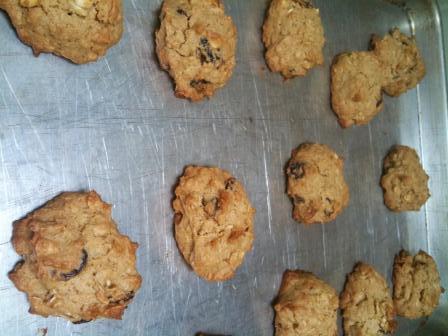
Oatmeal Cranberry Cookie

oatmeal cran cookie

Oatmeal Cranberry Cookie

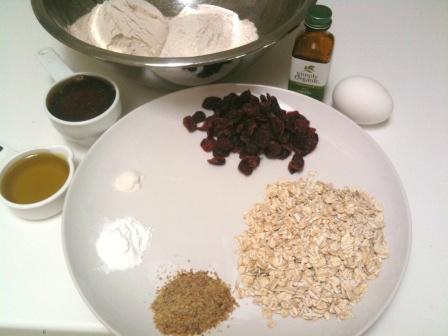
  • 1/2 c. Oat flour

  • 1/2 c. Barley Flour

  • 1/2 tsp. Psyllium Husk Powder

  • 1 tsp. Baking Powder

  • 1 Tbs. freshly ground Golden Flax Seeds

  • 1/4 c. Virgin Olive Oil

  • 1/2 c. Barley Malt Syrup *

  • 1 large Pasture-Raised Egg

  • 1 tsp. pure Vanilla Extract

  • Generous 1/2 c. organic Rolled Oats (not quick-cooking)

  • 1/2 c. dried Currants, Cranberries or Blueberries

Preheat oven to 350º F (175C).

oatmeal cran cookie

In a medium bowl, whisk together flours, Psyllium and baking powder; set aside.

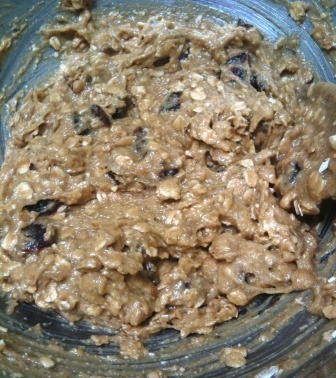
In a large bowl, whisk together oil, syrup, egg, and vanilla. Add to flour mixture, and stir to combine. Mix in oats and currants.

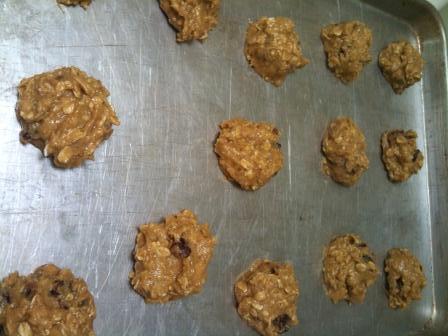
Using 2 tablespoons of dough per cookie, roll into balls or drop onto baking sheet lined with parchment (or lightly coated with Coconut Oil), about 1-1/2 inches apart.

Bake until lightly browned, 15 to 17 minutes, rotating sheets halfway through.

Cool 5 minutes on sheets, then transfer cookies to a wire rack to cool completely. Store in an airtight container at room temperature, up to 3 days or refrigerate.

* Barley malt syrup is considered to be one of the healthiest sweeteners in the natural food industry. Made from soaked and sprouted barley, which is dried and cooked down to make a thick syrup, barley malt is a sweetener that’s slowly digested and gentler on blood sugar levels than other sweeteners.

~ Enjoy! ♥